How To
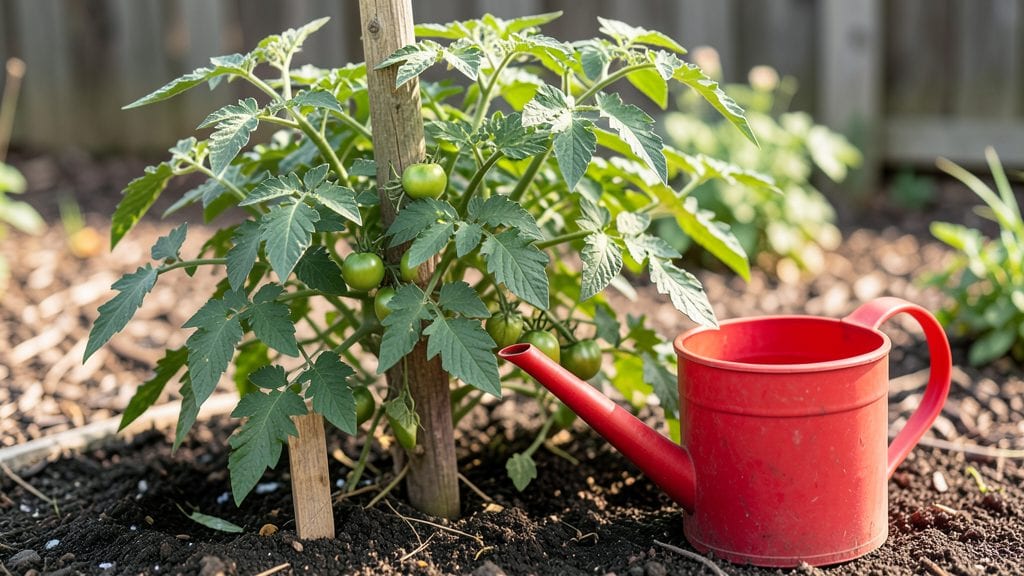
Watering your vegetable garden for 15-30 minutes at a time is the sweet spot for most plants 🥬 — but timing is everything, and getting it wrong can mean wasted water or stunted growth.
Overwatering or underwatering your vegetable garden can turn your hard work into wasted effort—here’s how to master the perfect watering time for lush, thriving plants. Too much water drowns roots, while too little stresses them, and both leave you scratching your head when harvest time rolls around.
Soil type, plant variety, and even the weather play a role in how long you should water. Sandy soil drains fast, while clay holds moisture longer, and leafy greens like lettuce need less than thirsty tomatoes.
The key? A simple soil-moisture test that tells you exactly when to reach for the hose.
In this guide, I’ll break down the ideal watering duration for your garden, how to adjust for seasonal changes, and the one trick that saves water while keeping your plants happy—no guesswork required.


The ideal watering duration for vegetable gardens by plant type
Watering your vegetable garden isn’t a one-size-fits-all task—each plant type has unique needs. Leafy greens like lettuce and spinach prefer consistent moisture but can’t tolerate soggy soil, while root crops such as carrots and potatoes need deep, infrequent watering to develop properly.
Then there are fruiting plants like tomatoes and peppers, which demand steady hydration during flowering and fruiting stages. Understanding these differences ensures your garden thrives without wasted water or stunted growth.
Soil type plays a critical role in watering duration. Sandy soil drains quickly, requiring frequent, shallow watering (about 10-15 minutes per session), while clay soil holds moisture longer, needing deep watering every 2-3 days (around 20-30 minutes).
Even loamy soil, the gold standard, benefits from 15-20 minutes of watering every 2-3 days to maintain optimal moisture levels. Adjusting for your soil type prevents root stress and ensures nutrients reach where they’re needed.
Here’s a quick reference for common vegetable categories and their ideal watering durations:
For leafy greens, focus on shallow but frequent watering—these plants grow quickly and need moisture near the surface. A 10-15 minute session daily in the morning keeps them hydrated without overloading the soil.
If your soil is sandy, extend the session by 5 minutes to compensate for rapid drainage. Conversely, clay soil retains moisture longer, so reduce the duration by 5 minutes to avoid waterlogging.
When it comes to root crops, deep watering is key. Carrots and potatoes need 20-30 minutes of water every 2-3 days to develop properly. In sandy soil, increase the duration by 10 minutes to ensure roots grow straight and undisturbed.
For clay soil, reduce by 10 minutes to prevent rot. Always water at the base—surface watering can disrupt root formation and lead to forked carrots.
Fruiting plants like tomatoes and peppers are the most demanding when it comes to water. During their flowering and fruiting stages, they require 15-25 minutes of water every 1-2 days. Sandy soil may need an extra 5-10 minutes to maintain moisture, while clay soil can handle slightly less. Use drip irrigation to deliver water directly to the roots, reducing evaporation and fungal risks. Avoid wetting the leaves, especially in humid conditions, to prevent diseases like early blight.
Herbs often get overlooked, but they too have specific watering needs. Basil, parsley, and cilantro prefer 5-10 minutes of water every 2-3 days. These plants thrive in slightly drier conditions, so overwatering can lead to root rot.
Adjust for soil type: add 3 minutes for sandy soil and subtract 3 minutes for clay. Always water at the base to avoid damaging delicate leaves or encouraging pests.
Legumes, including beans and peas, are surprisingly low-maintenance when it comes to watering. A 10-15 minute session every 2-3 days is ideal, with adjustments for soil type: add 5 minutes for sand and subtract 5 minutes for clay. As pods begin to form, reduce watering slightly to prevent cracking. These plants are drought-tolerant once established, but consistent moisture during early
How to perform a soil-moisture test (step-by-step guide)
Determining when your vegetable garden needs water isn’t about guesswork—it’s about reading your soil. Overwatering or underwatering can stress plants, reduce yields, and even invite pests. A simple soil-moisture test helps you water efficiently and consistently, ensuring your tomatoes, lettuce, and peppers thrive.
Whether you’re a beginner or a seasoned gardener, this method works for all soil types and climates.
Most gardeners rely on a mix of visual cues and tactile checks to gauge moisture. For example, wilted leaves or dry soil cracks signal thirsty plants, but these signs often appear after damage is done.
Instead, I recommend testing soil moisture before plants show stress. This proactive approach saves time, water, and keeps your garden healthy from the start.
Step-by-Step Soil-Moisture Test
Pick between the finger-check (for beginners) or a soil moisture meter (for precision). Both work—it’s about consistency!
Insert your finger or meter probe 1-2 inches deep—this is where most plant roots absorb water. Avoid the surface, which dries faster.
If soil feels dry and crumbly, it’s time to water. If it’s clumpy or damp, wait another day. Sandy soil drains fast—test more often!
When watering, aim for 1 inch of water per week (more in heat). Use a slow, deep soak to encourage root growth, not shallow puddles.
Morning is best—water before 10 AM to reduce evaporation and fungal risks. Adjust based on rainfall or heatwaves.
For container gardens, soil dries out faster, so test daily. If your fingers come away with no moisture, water immediately. Pro tip: Use a moisture meter for raised beds or sandy soil—they’re affordable and save time.
I swear by the Xiaomi MI Soil Moisture Sensor for its accuracy and ease of use.
Remember, overwatering is just as harmful as underwatering. Yellowing leaves or moldy soil? You’re likely watering too much. Adjust your schedule based on your soil’s drainage rate—clay holds moisture longer than sandy soil.
With practice, you’ll develop a feel for your garden’s needs, leading to healthier plants and bigger harvests.
Start testing your soil today, and watch your vegetable garden flourish with the perfect balance of moisture. Your future salads, soups, and snacks will thank you! 🌱💧