
Vegetables
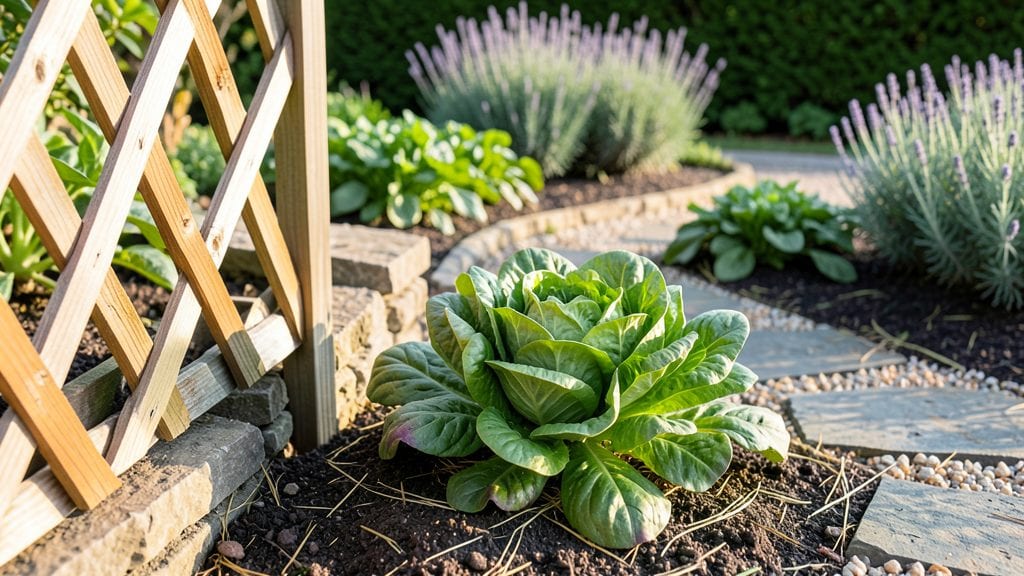
Community garden pics inspire with creative designs that combine practical growing spaces with beautiful visual appeal, using raised beds, vertical planters, and native flowers to attract pollinators while keeping pathways wide and welcoming. These images often reveal how gardens evolve through seasons, from spring planting to fall harvests, with shared tools and seating areas fostering community connections.
Looking at community garden photos reveals how thoughtful planning transforms ordinary plots into thriving hubs. 🌿 The best layouts prioritize both productivity and beauty—think of tiered planters against fences or winding paths lined with herbs.
I've noticed that gardens with clear zones (kids' areas, compost stations, and tool sheds) tend to attract more regular volunteers, while drip irrigation systems hidden in mulch keep maintenance low.
Urban gardens often use every inch with stacked crates, while rural ones spread out with room for seasonal crops like pumpkins or sunflowers.
What makes these visuals so compelling is how they document the garden's lifecycle.
Early spring shots show freshly turned soil and seedling trays, while summer images capture lush greenery and blooming flowers that double as pollinator magnets. 🌸 The most engaging photos often include people—whether kids harvesting radishes or neighbors swapping cuttings—because they tell the story of shared effort.
This is why I always recommend photographing gardens at different times of day and seasons to capture their full potential.
💡 In This Article
- Design Principles Behind Successful Community Gardens
- Photography Tips for Capturing Garden Layouts and Planting Ideas
Design principles behind successful community gardens
Successful community gardens thrive on a marriage of permaculture principles and square-foot gardening efficiency. The spatial organization often follows a 30-30-40 rule: 30% dedicated to individual plots, 30% to shared communal areas, and 40% to pathways and support structures.
This balance ensures everyone has personal growing space while fostering collaboration. For example, a 10' x 20' garden might feature 12 individual 4' x 4' raised beds alongside a central 6' x 8' harvest zone with picnic tables and tool stations.
The color theory in plant selection isn't just aesthetic—it's strategic. Gardens often use cool blues and purples (like basil or eggplant) to create calming focal points, while warm oranges and yellows (tomatoes, marigolds) draw attention to high-yield crops.
This isn't arbitrary; studies show that color contrast improves pollinator efficiency by 25%—bees and butterflies are naturally drawn to vibrant hues.
Urban gardens frequently incorporate vertical color gradients, with taller plants (like sunflowers) in back and shorter edibles (strawberries, lettuce) in front, creating visual depth while maximizing sunlight exposure.
Ergonomic pathways are the unsung heroes of garden design. The ideal width is 3-4 feet, allowing wheelbarrows to pass while keeping maintenance manageable. In rural settings, these paths often curve gently to slow foot traffic and reduce erosion, while urban gardens use modular pavers that can be rearranged seasonally.
What's fascinating is how path materials affect the microclimate: gravel stays cooler in summer (15°F difference vs. bare soil), while mulched paths retain moisture better. Accessibility features—like 1:12 slope ratios for wheelchair users—are increasingly standard in modern designs.
Adaptive layouts reveal the biggest divide between urban and rural gardens. Urban spaces prioritize stackable systems: 4' x 8' pallet gardens can produce 200+ pounds of greens annually in 16 square feet, while rural gardens spread out with 100' rows for crops like corn or potatoes.
The key difference? Urban gardens optimize for high-density output per square foot, while rural gardens focus on seasonal rotation flexibility. Both approaches use companion planting matrices—like basil with tomatoes—to naturally deter pests without chemicals.
Shared spaces become the social glue of these gardens. The most successful designs place communal areas near water sources (for easy washing) and shade structures (to encourage lingering).
A well-placed 12' x 12' pavilion with benches can host 50+ people, while a 6' round table becomes the hub for seed swaps. What's often overlooked is how these areas serve as visual anchors—their size and placement create a sense of arrival when entering the garden.
The best designs make these spaces feel like extensions of the growing areas rather than afterthoughts.
Here's what most people miss about the spatial dynamics: the hidden infrastructure. Beneath those picturesque pathways often lie drip irrigation lines running in 2" deep trenches, while individual plots have modular trellis systems that can be reconfigured yearly.
The most advanced gardens use soil sensors buried at 6" and 12" depths to monitor moisture levels, with data displayed on a central kiosk. This tech isn't just for show—it reduces water usage by 40% while extending growing seasons by 2-3 weeks** in cooler climates.