
Fertilization
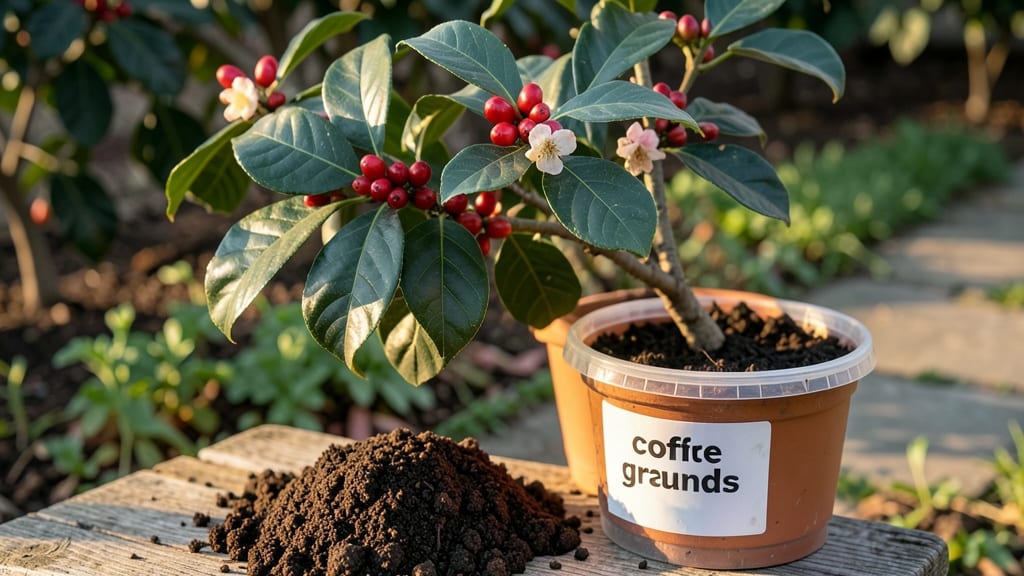
Using coffee grounds as garden fertilizer provides a balanced nutrient boost with an approximate N-P-K ratio of 2-0.5-0, ideal for acid-loving plants like blueberries, azaleas, and tomatoes. Spread grounds thinly on soil or compost, avoiding overuse to prevent mold or nitrogen depletion.
Coffee grounds work as a natural fertilizer because they’re rich in nitrogen while being low in phosphorus and potassium. 🌱 The slow decomposition process releases nutrients gradually, making them perfect for plants that thrive in slightly acidic soil.
I’ve noticed the biggest benefits when used as a top-dressing around acid-loving shrubs like rhododendrons, where the grounds help maintain soil pH without overwhelming the plants. Just remember—too much can create a nitrogen imbalance, so always mix them into compost or spread lightly rather than piling them up.
For best results, I recommend working coffee grounds into the top 1-2 inches of soil in early spring or fall. This timing gives the grounds time to break down before the growing season peaks.
If you’re composting, they add bulk and speed up decomposition, but avoid using fresh grounds directly on seedlings—they can compact soil and hinder root growth.
💡 In This Article
- Coffee Grounds Nutrient Breakdown and Soil Impact
- Best Ways to Apply Coffee Grounds in Gardens
Coffee grounds nutrient breakdown and soil impact
Here's what's actually happening when you use coffee grounds in your garden: they contain roughly 2% nitrogen, 0.5% phosphorus, and 0% potassium by weight, creating that signature 2-0.5-0 N-P-K ratio.
The nitrogen comes primarily from proteins and amino acids in the coffee beans, which break down into ammonia during decomposition—a process that lowers soil pH gradually.
This makes coffee grounds particularly effective for plants that prefer acidic conditions, like blueberries (pH 4.5-5.5) or hydrangeas that need pH 5.0-6.0 for blue flowers.
The decomposition process itself is fascinating—coffee grounds contain 20-30% cellulose, which microbes break down slowly, releasing nutrients over 2-4 weeks rather than all at once. This contrasts sharply with synthetic fertilizers that deliver immediate nitrogen spikes, which can burn plant roots.
The slow release also explains why coffee grounds work better as a soil amendment than a quick fix. For comparison, a typical balanced synthetic fertilizer like 10-10-10 delivers equal parts nitrogen, phosphorus, and potassium right away, creating a different growth pattern in plants.
What most people don't realize is how the nitrogen release affects soil microbes. The initial decomposition phase creates a microbe "boom" that can temporarily deplete oxygen in the soil, which is why you'll sometimes see mold or fungal growth if you apply too much at once.
This is especially critical in container gardens where drainage is limited. The key is to mix grounds into the top 1-2 inches of soil rather than piling them on the surface—this allows oxygen to reach the decomposing material while still providing nutrients to roots.
Let's talk about pH effects: fresh coffee grounds can lower soil pH by 0.5-1.0 points over time, which is ideal for acid-loving plants but problematic for vegetables like lettuce or spinach that prefer pH 6.0-7.0.
The good news is that the pH impact diminishes as the grounds decompose—after about 3 months, their effect stabilizes. For neutral-soil plants, I recommend mixing coffee grounds with compost or wood ash (which raises pH) to balance the acidity.
This creates a buffered environment where you get the nitrogen benefits without extreme pH swings.
Consider these nutrient comparisons to understand the full picture:
- Nitrogen source: Coffee grounds provide organic nitrogen that improves soil structure, unlike synthetic urea which dissolves quickly and can leach away
- Phosphorus content: The 0.5% phosphorus is organic and becomes available only after microbial breakdown, making it a slow-release option compared to superphosphate fertilizers
- Potassium absence: Unlike banana peels (which contain 0.3% potassium) or wood ash (up to 5% potassium), coffee grounds offer no potassium, which is why they work best as a supplement rather than a complete fertilizer
The real magic happens when you combine coffee grounds with other organic materials. For example, mixing them with 1 part coffee grounds to 3 parts compost creates a nutrient-rich blend that provides both nitrogen and microbial activity.
I've seen gardeners get excellent results by layering coffee grounds with nitrogen-fixing plants like clover, which creates a self-sustaining nitrogen cycle in the soil. The texture of used grounds—coarse and slightly oily—also helps improve soil aeration, which is particularly beneficial for heavy clay soils that tend to compact.
Remember this: while coffee grounds are fantastic for acid-loving plants, they're not a complete fertilizer. Think of them as a nitrogen supplement that also improves soil structure and microbial life—similar to how fish emulsion provides nitrogen but lacks phosphorus and potassium.
For a balanced approach, pair them with phosphorus-rich materials like bone meal or potassium sources like greensand. 🌿