
Vegetables
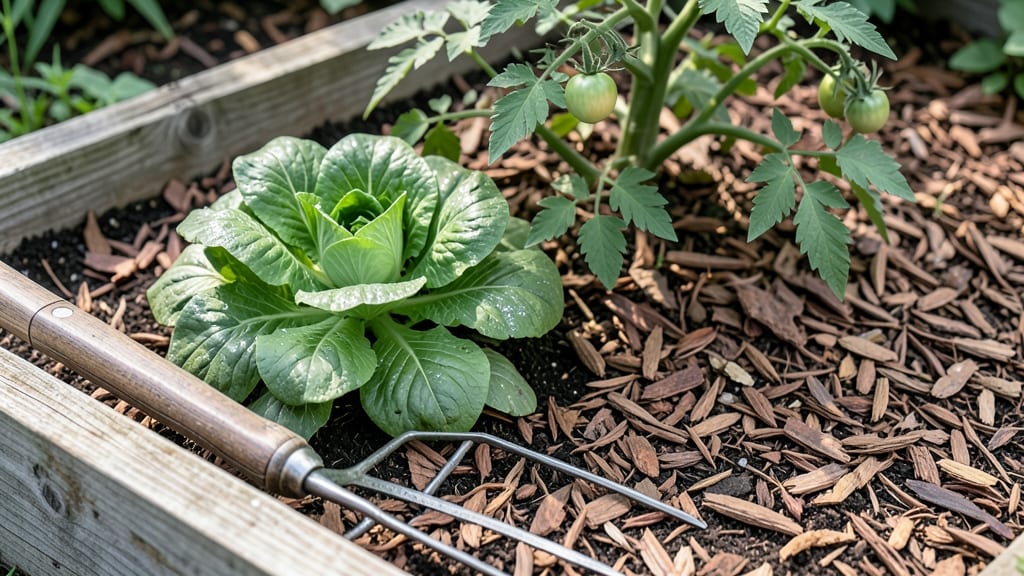
Mulched leaves are good for vegetable gardens because they lock in moisture, moderate soil temperatures, and block weeds—but they may drain nitrogen and attract pests unless you mix them with compost or nitrogen-rich materials.
Leaf mulch acts like a natural blanket for your garden beds, shielding soil from extreme heat or cold while keeping it hydrated for longer. 🌿 The downside? As leaves break down, they temporarily tie up nitrogen, which hungry plants like tomatoes and peppers need to thrive.
I always recommend shredding leaves first—the smaller the pieces, the faster they decompose and the fewer issues you’ll face with matting or pest attraction.
For best results, layer 2-3 inches of mulch over your soil in early spring or late fall, then top it with a thin layer of compost. This combo gives you all the benefits—moisture retention, weed suppression—without starving your plants of nutrients.
Root crops like carrots love this setup, while leafy greens might need extra nitrogen to prevent yellowing.
💡 In This Article
- How Leaf Mulch Improves Vegetable Garden Soil Health
- Best Practices for Using Leaf Mulch in Vegetable Beds
How leaf mulch improves vegetable garden soil health
Leaf mulch works like a living ecosystem for your soil. When you spread shredded leaves, they create a protective layer that shields the earth from direct sunlight, reducing moisture evaporation by up to 30% compared to bare soil.
This happens because the mulch forms a physical barrier that slows water loss through evaporation while allowing rain to penetrate gradually. The porous structure also traps air pockets, which helps beneficial microbes thrive in the topsoil layer where most plant roots reside.
The decomposition process releases organic matter that improves soil structure over time. A 3-inch layer of leaf mulch can add 1-2% organic matter to your soil annually, enhancing its ability to hold nutrients and water. This is especially valuable in sandy soils where nutrients wash away quickly.
The mulch also breaks down into humus, which acts like a sponge—holding 3-4 times its weight in water while making minerals more available to plant roots. You'll notice healthier soil that crumbles easily when moist rather than forming hard clods.
However, the breakdown process temporarily ties up nitrogen as microbes consume carbon-rich leaves. This can lead to nitrogen deficiency in heavy feeders like tomatoes or peppers, causing yellowing leaves. The key is balancing your mulch with 1 inch of compost for every 3 inches of leaves.
This ratio provides the nitrogen microbes need to decompose the carbon while still feeding your plants. I've seen gardens where this balance prevented nutrient starvation while maintaining all the moisture benefits.
Leaf mulch also prevents erosion by reducing raindrop impact on bare soil. When heavy rain falls on unprotected earth, it can dislodge 10-20 times more soil particles than when mulched. The mulch layer absorbs the impact and slows water flow, allowing it to soak in rather than sheet off.
This is particularly important on slopes or in areas with heavy rainfall. The physical protection also prevents soil compaction from foot traffic or gardening tools, maintaining those crucial air pockets for root growth.
For maximum benefits, aim for a 2-4 inch layer of shredded leaves (never whole leaves which mat and repel water). The smaller the pieces, the faster they decompose and the sooner they'll contribute to your soil.
I recommend applying mulch in early spring before planting or after harvest to give it time to integrate without competing with young plants. This timing also helps regulate soil temperatures—keeping roots cooler in summer and warmer in winter than exposed soil.
What most gardeners don't realize is that leaf mulch creates a microclimate that supports beneficial insects and earthworms. These creatures aerate the soil and break down organic matter, creating channels that improve water infiltration.
A healthy mulched bed can have 20-30% more earthworm activity than unmulched soil, which directly translates to better root development and nutrient cycling. The trade-off? You'll need to monitor for slugs or fungal diseases, which thrive in consistently moist conditions—hence the importance of that compost layer.