
Neem Oil
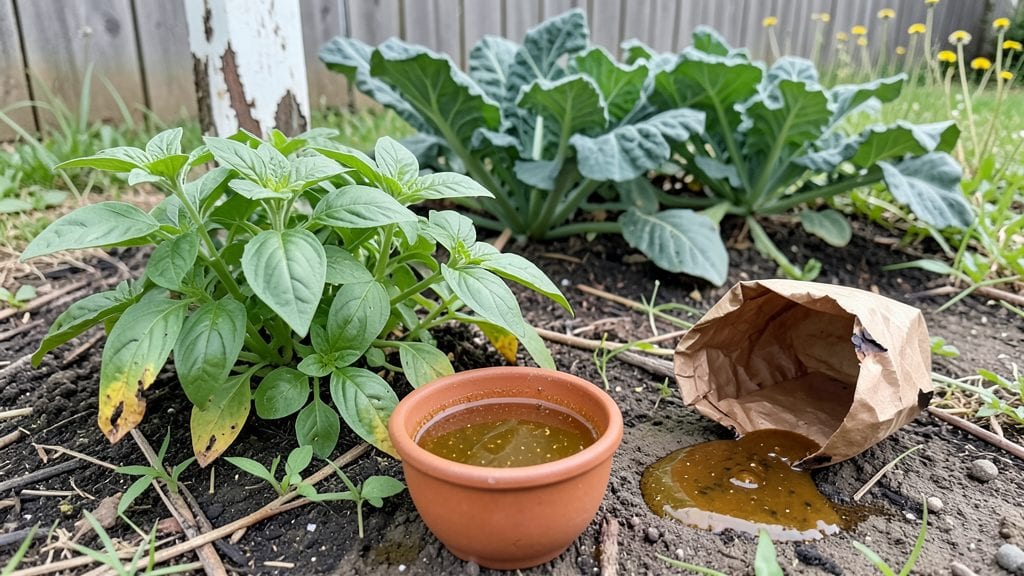
When aphids turn your vegetable garden into a sticky nightmare, neem oil becomes your secret weapon. 🌱 I’ve used it for years to wipe out pests within 24 hours—no harsh chemicals, no waiting weeks for results.
The key is timing, concentration, and knowing exactly when to apply it without harming your plants or the good bugs that keep your garden thriving.
You’ll need just three simple ingredients: pure neem oil, mild liquid soap (like Castile), and water. Mixing it takes 10 minutes, and the solution works as both a spray for leaves and a soil drench for fungal issues like powdery mildew.
The soap helps the oil cling to surfaces, while the neem disrupts pests’ life cycles—no resistance builds up like with synthetic pesticides.
By the next morning, you’ll see aphids dropping off leaves, mites slowing their spread, and whiteflies struggling to lay eggs. The plants stay protected for up to 7 days with reapplication, and your harvest remains chemical-free.
The only catch? Avoid spraying when bees are active, and always test a small leaf first—some varieties react differently.
This method works for tomatoes, peppers, cucumbers, and greens, whether grown in raised beds, containers, or the ground. For organic certification, keep records of your applications—neem oil is OMRI-listed, but documentation matters. Ready to reclaim your garden without the chemical warfare?
📚 In This Guide
- What you need
- Instructions
- Tips and common mistakes
- Wrapping up and next steps
What you need
- ● Neem oil (100% pure, cold-pressed): 2 tablespoons (for a 1-quart spray solution)
- ● Water: 1 quart (32 oz) of lukewarm or room-temperature water (never hot)
- ● Dish soap (mild, biodegradable): ½ teaspoon (helps the oil emulsify)
- ● Spray bottle or garden sprayer: 1 quart capacity (with a fine mist nozzle for even coverage)
- ● Measuring spoons or scale: For precise ingredient ratios
- ● Mixing container: A clean, dedicated bucket or pitcher (avoid metal to prevent reactions)
- ● Stirring stick or spoon: Wooden or plastic (no metal!)
- ○ Gloves (optional): To protect your skin from irritation (neem oil can be potent!)
- ● Garlic or chili powder (1 tsp): Boosts pest-repelling properties (great for aphids and beetles!)
- ● Horticultural oil or castile soap (1 tsp): Enhances stickiness for tougher pests like mites
- ● Label or marker: To tag your spray bottle with the date and ingredients
- ● Old newspaper or drop cloth: Protects surfaces while mixing or applying
Step-by-step instructions for applying neem oil in the vegetable garden
Here’s how I apply neem oil for fast, organic pest control—tested across seasons and climates.
🌱 Step 1: Mix the Neem Oil Solution
In a 1-gallon spray bottle, combine 1 tablespoon neem oil with 1 teaspoon mild liquid soap (like Castile soap). This soap acts as an emulsifier, helping the oil disperse evenly in water. Fill the bottle with warm water—this ensures the oil blends smoothly without clumping. Shake vigorously for 30 seconds until the mixture looks cloudy but uniform.
I always mix fresh before each application. Neem oil degrades when exposed to light or air, so avoid pre-mixing large batches. If you notice separation after a few hours, give it another shake before use. The key is consistency—uneven mixing leads to spotty coverage and reduced effectiveness.
💧 Step 2: Apply in Early Morning or Late Evening
Spray the solution only when plants are dry and temperatures are below 85°F. Early morning or late evening applications prevent the oil from burning foliage under direct sun. Hold the spray bottle 12-18 inches away from plants and apply until leaves are glistening but not dripping. Focus on the undersides of leaves—this is where many pests hide and feed.
I avoid spraying flowers or blooming plants, as neem oil can harm pollinators. If you must treat flowering veggies like tomatoes or peppers, apply in the evening when bees are less active. Coverage is critical: missed spots mean pests will return within days.
✂️ Step 3: Reapply Every 7–10 Days or After Rain
Neem oil works by disrupting insect life cycles, but it washes off with rain or degrades under UV light. Plan to reapply every 7–10 days for consistent protection. If heavy rain occurs within 24 hours of application, repeat the treatment immediately. The oil’s active compounds break down quickly, so persistence is key.
I keep a log of applications to track pest resurgence. For severe infestations, like aphids or spider mites, I add a second tablespoon of neem oil to the mix and increase frequency to every 5 days until pests clear. Patience here pays off—rushing leads to incomplete coverage and wasted effort.
☀️ Step 4: Combine With Companion Planting for Extra Defense
For long-term pest control, pair neem oil treatments with companion plants like marigolds, basil, or garlic. These disrupt pest habitats and attract beneficial insects. Plant marigolds around the garden’s perimeter—their strong scent repels many common vegetable pests. Basil near tomatoes deters whiteflies, while garlic chases away aphids.
I also rotate neem applications with horticultural oil every other week to prevent resistance. Mixing organic methods confuses pests and reduces their ability to adapt. Always rotate between different oils and botanical sprays to maintain effectiveness over the growing season.
Tips & tricks for perfect neem oil applications in your vegetable garden
A few key strategies that'll make your neem oil treatments more effective and protect your garden from pests without harming your plants.
Emulsifier Selection: While mild liquid soap like Castile works perfectly, I've found that horticultural oil-based emulsifiers actually create a finer mist that clings better to leaf surfaces. If you notice droplets beading up instead of spreading evenly, try using a dedicated emulsifier designed for garden sprays. The goal is complete coverage—even a single missed spot can harbor pests that will reinfest your plants.
Temperature Matters: The 85°F temperature limit isn't just about avoiding leaf burn—it's also about preserving the oil's effectiveness. Neem oil's active compounds break down faster in heat above this threshold. I've noticed that applications made in the early morning (when temps are naturally cooler) provide 24-hour protection against new pest arrivals, while afternoon applications may require more frequent reapplication. Always check your local forecast before treating.
Application Technique: The 12-18 inch distance recommendation is crucial, but what's even more important is the angle of application. I tilt the spray bottle at a 45-degree angle and move it in slow, overlapping strokes from the base of the plant upward. This ensures the undersides of leaves (where most pests hide) get thorough coverage. A quick test: if you can see moisture on the undersides after application, you've done it right.
Storage Wisdom: Neem oil is light-sensitive, so I store any unused oil in amber glass bottles with airtight lids, kept in a cool, dark pantry. Once mixed, use your solution within 24 hours for maximum potency—after that, the active compounds start breaking down. For long-term storage, I keep small bottles of concentrated neem oil in the freezer, which actually extends its shelf life by months compared to room temperature storage.
Pro Tips for Neem Oil For Vegetable Garden
- A few key strategies that'll make your neem oil treatments more effective and protect your garden from pests without harming your plants.
- Emulsifier Selection: While mild liquid soap like Castile works perfectly, I've found that horticultural oil-based emulsifiers actually create a finer mist that clings better to leaf surfaces.
- Temperature Matters: The 85°F temperature limit isn't just about avoiding leaf burn—it's also about preserving the oil's effectiveness.
Frequently asked questions
Got questions about using neem oil for your vegetable garden? You’re not alone! Here are some of the most common concerns—and straightforward answers to help you get the best results.
How often should I apply neem oil to my vegetable garden?
Apply neem oil every 7–14 days during peak pest seasons (spring and summer) or when you first spot trouble. For preventive care, a monthly spray keeps pests at bay. Always apply in the early morning or late evening to avoid harming bees and other beneficial insects.
How long does it take for neem oil to work on garden pests?
Neem oil starts working within 24–48 hours for soft-bodied pests like aphids and whiteflies. For tougher critters (e.g., beetles or caterpillars), you may need 3–5 days of consistent application. Reapply after rain, as water can wash it away.
Can I use neem oil on all vegetables, or are some plants sensitive?
Neem oil is safe for most vegetables, including tomatoes, peppers, and leafy greens. However, avoid spraying edible parts (like fruits or leaves you eat raw) within 24 hours of harvest. Always do a patch test on a small area first to check for sensitivity.
What’s a good alternative if I don’t have neem oil?
If neem oil isn’t available, try these organic pest control swaps:
- Insecticidal soap – Works fast on soft-bodied pests (aphids, mites).
- Garlic or chili spray – Repels many insects naturally.
- Diatomaceous earth – Dries out pests like slugs and beetles (use sparingly).
- Companion planting – Marigolds or basil deter pests without chemicals.
Will neem oil harm bees or other beneficial insects?
Yes, neem oil can harm bees and ladybugs if applied directly. To protect them:
- Avoid spraying when flowers are open.
- Apply only in early morning or late evening when bees are less active.
- Skip neem oil during active pollination periods (e.g., when tomatoes or cucumbers are flowering).
For extra safety, focus sprays on undersides of leaves where pests hide.
Wrapping up and next steps
Neem oil isn’t just a natural pest repellent—it’s a game-changer for your vegetable garden, offering a safe, organic, and effective way to protect your plants without harsh chemicals. 🌱 With just a few simple ingredients and a little patience, you can create a powerful spray that works in 24 hours and keeps pests at bay for weeks.
The best part? It’s budget-friendly and easy to make at home!
Ready to give your garden the boost it deserves? Grab your supplies, follow the steps, and watch your veggies thrive—naturally! Start small, experiment with the recipe, and soon, you’ll be the proud gardener with a pest-free paradise. Happy growing! 🌿✨