
Fertilization
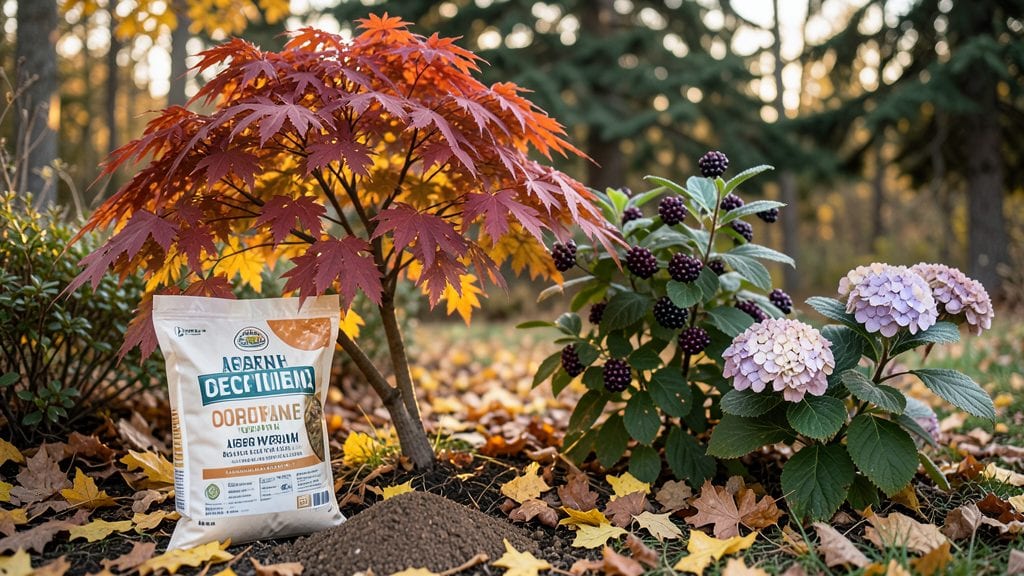
Autumn fertilizer for gardens strengthens root systems, replenishes nutrients, and prepares plants for winter dormancy. Use slow-release organic options like compost or balanced synthetic blends (10-10-10) 6-8 weeks before frost, avoiding high-nitrogen formulas that promote late-season growth.
Timing matters most in autumn fertilization, as cooler temperatures slow plant activity but also reduce nutrient loss from leaching. 🌱 The key is feeding roots while they're still active enough to absorb nutrients, yet avoiding overstimulation that could weaken plants before winter.
I've found that organic options like well-aged compost or bone meal release nutrients gradually, matching the plants' reduced metabolic rate perfectly.
For best results, pair your fertilizer with a light mulch layer—this insulates roots from temperature swings while trapping moisture. Perennials and shrubs benefit most from this approach, as their long-term health depends on strong root systems built during the dormant season.
💡 In This Article
- How Autumn Fertilizers Boost Plant Resilience
- Best Autumn Fertilizer Types for Different Garden Needs
How autumn fertilizers boost plant resilience
Autumn fertilization works its magic by leveraging a plant's natural biological processes during its transition to dormancy. As temperatures drop, plants shift energy from leaf and stem growth to strengthening their root systems—a survival mechanism called root hardening.
This process increases root cell wall thickness and boosts the production of protective compounds like polyamines, which help roots withstand freezing temperatures. The key timing window is 6-8 weeks before frost, when roots are still metabolically active but above-ground growth slows down.
Here's where nutrient ratios become critical: autumn fertilizers typically use a balanced 10-10-10 or 5-10-10 formulation because phosphorus (P) and potassium (K) play starring roles in this process.
Phosphorus stimulates root development and energy storage (as starches), while potassium regulates water uptake and cell membrane stability—both essential for winter survival.
Nitrogen (N) is intentionally kept lower (10% or less) to prevent soft, vulnerable growth that would freeze or rot before winter. 🌱 Think of it like building a plant's immune system before flu season.
The science gets even more interesting when you consider microbial activity. Autumn fertilization boosts beneficial soil microbes that decompose organic matter and make nutrients available—even in cooler soil. Slow-release fertilizers like compost or coated granules provide a steady nutrient supply that matches the plant's reduced metabolic rate.
Quick-release fertilizers, by contrast, would create a nutrient spike that plants can't fully utilize before dormancy sets in, potentially leading to waste or even root burn in sensitive species.
Temperature plays a surprising role in nutrient uptake efficiency. Studies show that root absorption rates peak at 50-60°F soil temperatures—perfect for late autumn conditions. Below 45°F, uptake slows dramatically, which is why timing matters so much.
The ideal autumn fertilizer creates a "nutrient bank" in the soil that roots can tap into gradually as they prepare for winter. This explains why organic options like compost or bone meal (which contains 3-4% phosphorus) work so well—they release nutrients slowly as soil microbes break them down.
Let's compare the effects of different nutrient ratios on plant resilience. A 10-10-10 blend provides equal parts of all three nutrients, making it versatile for most garden plants.
For perennials and shrubs, I've found that a slightly higher potassium formulation (5-5-10) works even better because potassium enhances cold hardiness by helping plants regulate their internal water balance.
Vegetable gardens, meanwhile, benefit from a slightly higher phosphorus content (5-15-10) to support tuber and bulb development before winter.
What most gardeners don't realize is that autumn fertilization also improves soil structure for next season. The organic matter added through compost or granular fertilizers enhances soil porosity, which improves water infiltration and aeration—critical factors for spring growth.
This structural improvement happens because microbial activity during autumn decomposition creates stable soil aggregates that resist compaction. 💫 The result? Healthier roots and more vigorous regrowth when spring arrives.