
Fertilization
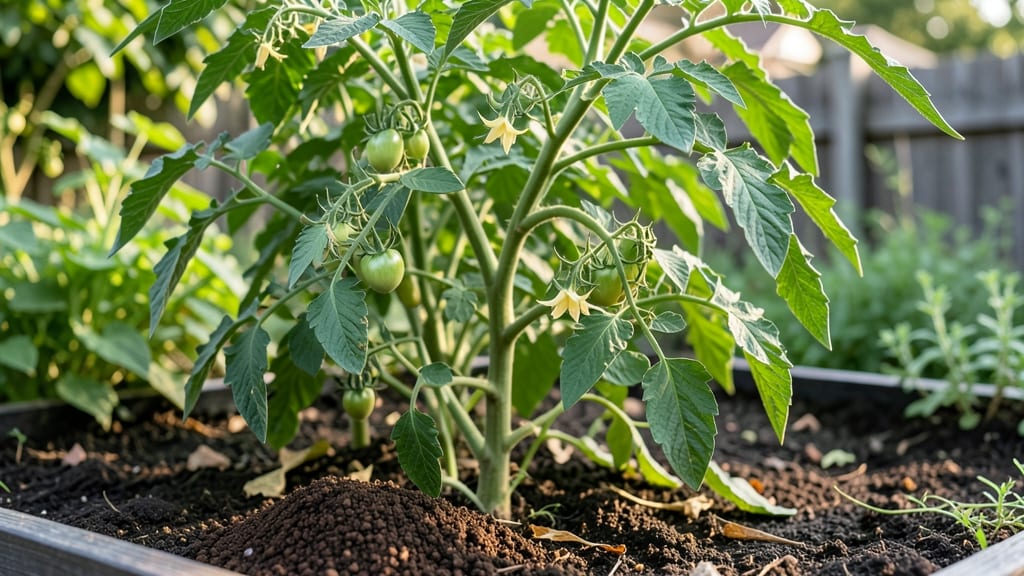
Using coffee grounds in the vegetable garden improves soil acidity, deters pests like slugs and ants, and adds nitrogen-rich organic matter as they decompose. Sprinkle lightly around plants or compost them first to avoid over-acidifying soil.
Coffee grounds are a gardener's secret weapon because they're packed with nutrients and natural pest-repelling properties.
The nitrogen content feeds soil microbes, which in turn break down organic matter faster and create healthier root zones. 🌱 I've seen firsthand how a light sprinkle around blueberry bushes or tomatoes can boost growth while keeping unwanted critters away.
The key is balance—too much can make soil too acidic, but the right amount creates a thriving ecosystem that many plants crave.
What makes this even better is how versatile coffee grounds are. You can use them fresh as a quick mulch or mix them into compost for a slow-release fertilizer. Just remember: never pile them directly against plant stems, as they can compact and suffocate roots over time.
For best results, I recommend working them into the top inch of soil or using them as a top dressing—it's a simple way to give your garden a nutrient boost without breaking the bank.
💡 In This Article
- How Coffee Grounds Boost Soil and Plant Growth
- Best Practices for Applying Coffee Grounds to Vegetables
How coffee grounds boost soil and plant growth
Coffee grounds are a nitrogen powerhouse, containing about 2% nitrogen by weight—roughly half the amount found in fresh manure but far more concentrated than many commercial fertilizers. When they decompose, they release this nitrogen in a form that soil microbes can quickly convert into plant-available nutrients like nitrate and ammonium.
This microbial activity creates a cascade effect: beneficial bacteria and fungi multiply, breaking down organic matter faster and creating a more porous soil structure that roots can penetrate more easily. 🔥
The real magic happens with soil pH adjustment. Coffee grounds lower pH by releasing organic acids during decomposition, making them ideal for acid-loving plants like blueberries (pH 4.5-5.5) and tomatoes (pH 6.0-6.8).
A 1-inch layer of grounds mixed into the topsoil can drop pH by 0.5-1.0 points over a few weeks, but the effect varies by soil type—sandy soils respond faster than clay.
What's fascinating is how this acidity shift also creates an inhospitable environment for many fungal pathogens, including powdery mildew, which thrives in neutral to alkaline soils.
Moisture retention gets a major upgrade too. The coarse texture of coffee grounds creates tiny air pockets that hold water like a sponge while still allowing oxygen to reach roots.
Studies show soils amended with coffee grounds can retain 20-30% more moisture than unamended soil, which is especially valuable in drought-prone areas. The grounds also act as a slow-release mulch, gradually breaking down to feed plants over 3-6 months—longer than many synthetic fertilizers that leach away quickly.
Here's what most gardeners overlook: the caffeine content (about 0.1-0.2%) actually stimulates microbial growth at low concentrations, but in high doses can be toxic. That's why composting grounds first is safer for most vegetable gardens.
The decomposition process also reduces the risk of compaction, which can suffocate roots if grounds are piled too thickly. For best results, I've found mixing 1/4 cup of composted grounds per square foot of soil gives the sweet spot between nutrition and safety.
Consider this comparison: A single 12-ounce cup of used coffee grounds contains enough nitrogen to fertilize about 1 square foot of garden space for a season. That's roughly equivalent to 1/4 pound of synthetic nitrogen fertilizer—but without the environmental runoff risks.
The grounds also contain trace minerals like potassium and phosphorus, though in smaller amounts, making them a well-rounded organic amendment when used consistently.
The pest-deterrent effects come from both the coffee's natural oils and the altered soil environment. Slugs and ants, for example, avoid the strong aroma of fresh grounds, while the acidic soil discourages many soil-borne pests.
However, this isn't a silver bullet—some beneficial insects like earthworms may avoid heavily amended areas, so balance is key. For maximum benefits, I recommend alternating coffee ground applications with other organic matter like grass clippings or leaf mold to maintain soil diversity. 🌱