
Tools
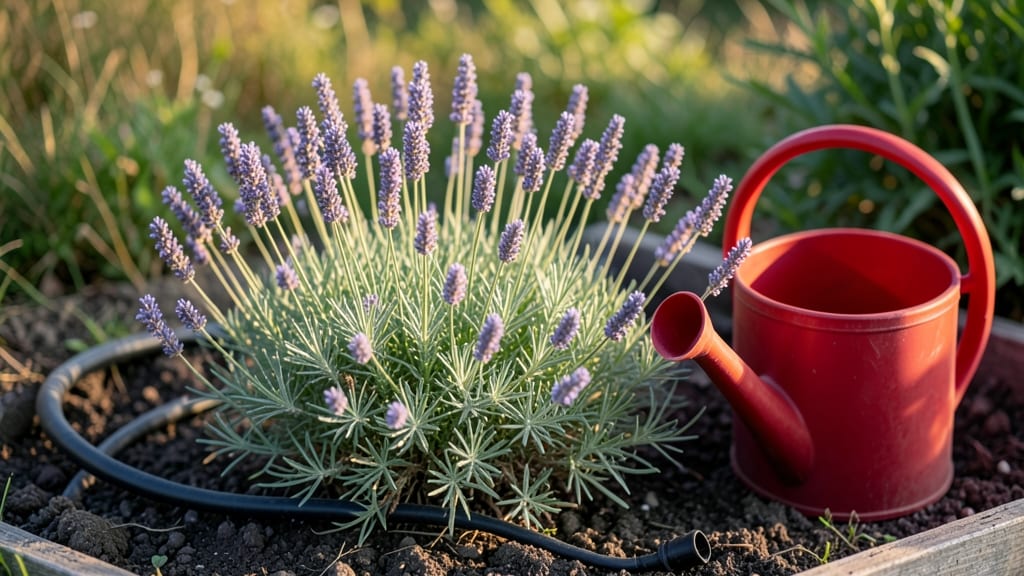
The biggest garden hose for heavy-duty tasks measures 5/8-inch or 3/4-inch diameter, delivering 20-30 gallons per minute (GPM) to handle large irrigation systems or sprawling lawns. These thicker hoses minimize pressure drops over long runs but demand reinforced connectors and may require a high-flow pump for optimal performance.
The thickest garden hoses you'll find are designed to move serious water volume without losing pressure over long distances. 💫 A 3/4-inch hose delivers nearly twice the flow of a standard 1/2-inch hose, making it ideal for filling large tanks, watering acre-sized properties, or powering commercial irrigation setups.
The trade-off? Thicker hoses are heavier and need stronger fittings to handle the increased water pressure. For most pros, a reinforced rubber or braided polyester hose with 5/8-inch diameter strikes the best balance between flow capacity and practicality.
What sets these hoses apart isn't just their size—it's their ability to maintain consistent pressure even when stretched across your entire yard. I've seen 3/4-inch hoses handle pressure washer attachments with ease, while 5/8-inch versions excel for livestock watering systems where steady flow prevents clogs.
The key is matching your hose diameter to your specific needs: larger diameters win for distance and volume, but standard household pressure may struggle to push water through them efficiently.
💡 In This Article
- How Garden Hose Diameter Affects Water Flow and Pressure
- Best Heavy-Duty Hoses for Large-Scale Gardening Needs
How garden hose diameter affects water flow and pressure
The physics behind water flow in hoses follows the Bernoulli principle, where wider diameters allow more water to move through while reducing friction against the hose walls.
A 5/8-inch hose delivers about 20 GPM at 40 PSI, while a 3/4-inch hose can push 25-30 GPM—that's nearly double the flow of a standard 1/2-inch hose. The larger opening creates less resistance, letting water move faster with minimal pressure loss over distance. 🔥
Here's where it gets interesting: pressure loss compounds with distance. A 100-foot run of 1/2-inch hose might drop from 50 PSI to 20 PSI, while the same run in 3/4-inch only drops to 30 PSI.
This is why big hoses shine for irrigation systems—consistent pressure means even coverage. The trade-off? Your home's typical 80 PSI water pressure may struggle to push 30 GPM through a 3/4-inch hose without a booster pump.
Real-world performance shows clear differences. A 5/8-inch hose works perfectly for pressure washers (handling 1,500-2,000 PSI attachments) while a 3/4-inch excels for filling 500-gallon irrigation tanks in under 15 minutes.
The key is matching diameter to your setup—larger hoses need reinforced connectors to handle the increased water volume and pressure spikes during startup.
What most people overlook is how hose material affects performance. A 3/4-inch rubber hose maintains shape better than vinyl under high flow, but braided polyester versions add durability while keeping flexibility.
For commercial setups, I've seen 3/4-inch hoses with 1,200 PSI burst ratings—essential when connecting to high-pressure systems like drip irrigation controllers.
The science explains why you'll often see 5/8-inch hoses in livestock watering systems. The wider diameter prevents clogging from debris while maintaining steady flow rates—critical when animals depend on reliable water access.
For pressure washers, the 3/4-inch size becomes ideal because it can handle the 2,000+ PSI spikes without collapsing, unlike thinner hoses that kink under pressure.
One final consideration: hose weight becomes a factor with larger diameters. A 100-foot 3/4-inch rubber hose weighs about 25 pounds—double that of a 1/2-inch version.
This is why many pros opt for 5/8-inch hoses: they offer 80% of the flow capacity with 30% less weight, making them easier to maneuver across large properties. ✨