Container Gardens
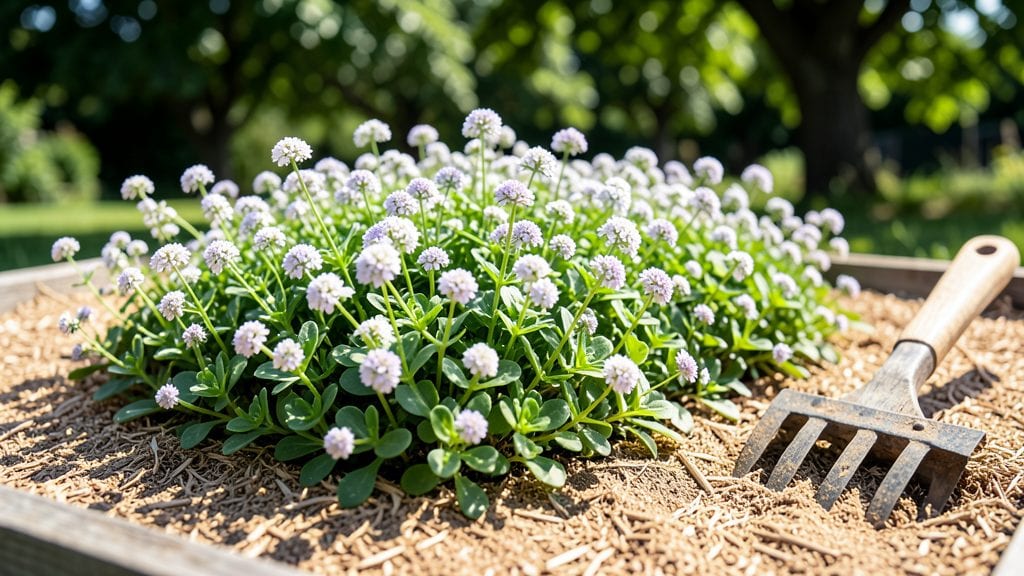
Sawdust in garden beds boosts soil structure through organic matter, but it requires careful handling—only aged, chemical-free sawdust should be used sparingly to prevent nutrient loss or pH shifts that stress plants.
This garden amendment works best when broken down first, as fresh sawdust competes with plants for nitrogen while decomposing. 🌱 The key is using hardwood varieties like oak or maple, which decompose slowly and won't acidify the soil.
I've seen dramatic improvements in moisture retention when mixed into raised beds, but always test small batches first—especially for acid-sensitive crops like tomatoes or blueberries.
For container gardens, a thin layer (about 1 inch) works as mulch, while 5-10% mixed into soil improves drainage without overwhelming delicate root systems. The decomposition process also feeds beneficial microbes, creating a more resilient growing environment over time.
💡 In This Article
- How Sawdust Affects Soil Health and Plant Growth
- Best Practices for Adding Sawdust to Garden Soil
How sawdust affects soil health and plant growth
When sawdust breaks down in soil, it undergoes a microbial-driven process called decomposition that transforms its coarse, dry texture into a fine, humus-like material. Fresh sawdust has a carbon-to-nitrogen ratio of about 400:1—far higher than ideal for healthy soil (which should be around 25:1).
This imbalance forces microbes to "steal" nitrogen from nearby plant roots to decompose the wood, creating what gardeners call a "nitrogen sink" that can stunt growth in nitrogen-sensitive plants like lettuce or peas.
The type of wood makes all the difference. Softwoods like pine or cedar decompose quickly (within 3-6 months) and release acidic compounds that can lower soil pH to 5.0 or below, harming most vegetables.
Hardwoods like oak or maple take 12-18 months to decompose and have neutral pH, making them safer choices. The decomposition also creates tiny air pockets that improve drainage while holding moisture—similar to how coconut coir works but with a slower release rate.
Here's what's actually happening below the surface: As microbes colonize sawdust, they produce enzymes that break down cellulose and lignin, releasing organic acids that chelate minerals like phosphorus and potassium. This process feeds beneficial fungi and bacteria that form mycorrhizal networks with plant roots, enhancing nutrient uptake.
However, this microbial party only happens when the sawdust is aged—fresh sawdust is like feeding your soil a pile of untreated wood chips that smothers beneficial life.
Moisture retention is where sawdust shines in established beds. A 1-inch layer of aged sawdust can hold 20-30% of its weight in water while still allowing excess to drain—ideal for container gardens where watering consistency is critical.
The trade-off? Too much sawdust (over 20% of soil volume) can create anaerobic pockets where roots suffocate. Think of it like adding too much sand to clay: it changes the soil's physical structure without improving fertility.
For microbial activity, aged sawdust becomes a slow-release carbon source that feeds decomposers for months. In my raised beds, I've seen earthworm activity triple after adding 5% aged hardwood sawdust by volume—proof that the right application turns sawdust from a potential problem into a soil-building powerhouse.
The key is patience: fresh sawdust is like feeding your soil a fast-food meal, while aged sawdust is a balanced, nutrient-dense stew.
What most people don't realize is how sawdust affects soil temperature. The coarse particles create insulating layers that protect roots from temperature swings—keeping soil 5-10°F cooler in summer and 3-7°F warmer in winter compared to bare soil.
This thermal buffering is why sawdust works so well in vegetable gardens where root systems are shallow and sensitive to extremes. 🌱