
Landscaping
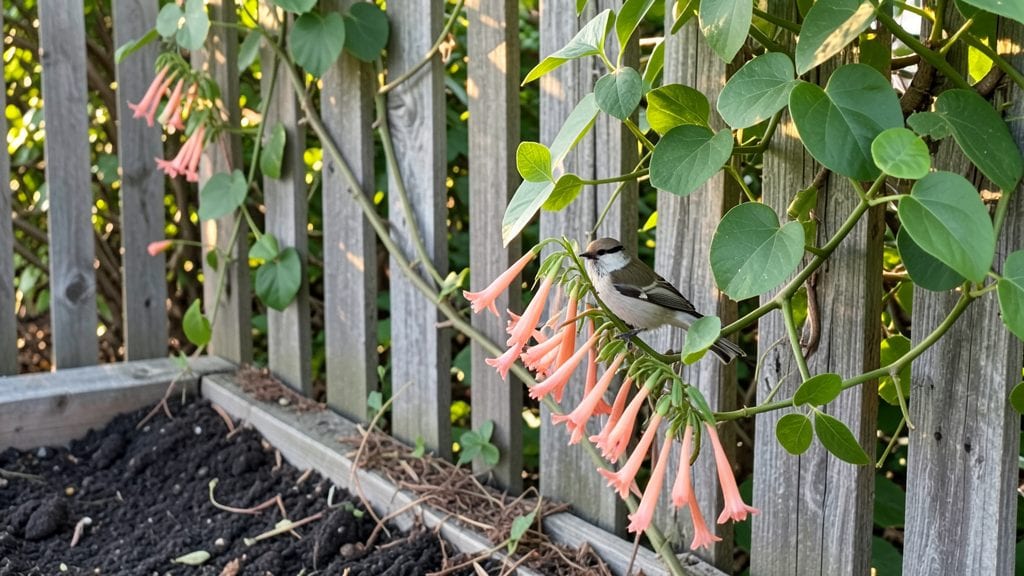
Garden fence height regulations typically range between 3 to 8 feet, with most residential areas capping at 6 feet unless exemptions apply for privacy or security. Always check local zoning laws before installation to avoid fines or removal orders.
Local governments set these limits to balance privacy needs with neighborhood harmony and safety.
A 6-foot fence is the most common residential maximum, but some rural areas allow taller barriers for agricultural purposes or windbreaks. 🌳 I’ve seen 8-foot fences approved in suburban zones when homeowners provide documentation for security concerns—like protecting high-value property or deterring intruders.
The key is verifying your county’s specific codes, as HOAs often impose stricter rules than municipal ordinances.
Beyond legal limits, consider your fence’s purpose. A 4-foot fence works well for pet containment or low-visibility borders, while 7-foot privacy screens block views without triggering permits in many areas.
Materials like vinyl or lattice can create the illusion of height without violating height restrictions, making them smart choices for tight spaces.
💡 In This Article
- Local Zoning Laws Affecting Garden Fence Height
- Choosing the Right Fence Height for Privacy and Function
Local zoning laws affecting garden fence height
Height restrictions on garden fences exist primarily to maintain neighborhood aesthetics, ensure safety, and prevent disputes between neighbors. The science behind these rules often ties to visual psychology—studies show that fences taller than 6 feet can create an enclosed, fortress-like appearance that disrupts neighborhood harmony.
Cities like Los Angeles enforce 6-foot maximums in single-family zones, while rural areas like Texas often allow 8 feet for agricultural windbreaks. These variances stem from differing community values and land use priorities. 🌳
County ordinances typically outline three key factors: frontage requirements (often 3-4 feet for front yards), side yard limits (usually 6 feet max), and rear yard exemptions (sometimes up to 8 feet for privacy).
For example, Miami-Dade County permits 7-foot fences in rear yards with a permit, while Florida’s state law allows 8 feet for hurricane protection. The mechanism here involves setback lines—imaginary boundaries where height restrictions tighten to preserve sunlight and views for adjacent properties.
Violations can trigger fines up to $500 or forced removal in some jurisdictions.
Homeowners associations (HOAs) often impose stricter rules than municipal codes. A 5-foot fence might be the limit in a gated community, even if county law allows 6 feet. The reasoning? HOAs prioritize uniformity to maintain property values.
To navigate this, always check three sources: your county’s zoning map, the HOA’s covenants, and the building department’s permit records. Pro tip: Call the planning commission directly—they’ll clarify exemptions for security fences (e.g., 8-foot chain-link for dog containment) or agricultural barriers (e.g., 7-foot wood to block livestock).
Exemptions often require documentation. For instance, a 7-foot fence for hurricane protection in Florida needs a structural engineer’s report linking it to wind resistance standards. Similarly, 8-foot fences for privacy in California’s coastal areas may need a privacy impact statement signed by neighbors.
The process involves submitting plans 60 days before installation, with reviews taking 30-90 days. Delays are common—always factor in buffer time. 🏗️
Researching local codes starts with your county’s website. Search for terms like "land development code" or "fence ordinance"—most counties post PDFs with height tables. For HOAs, request the architectural review guidelines.
If unsure, hire a land surveyor ($300-$600) to confirm setback lines and height limits. Many cities offer pre-application meetings to avoid costly mistakes. The bottom line? A 10-minute call to your local building department can save thousands in fines or rework.
Here’s a quick checklist for compliance:
- Measure setbacks: Distance from property lines (e.g., 3 feet front yard, 2 feet side/rear)
- Check material rules: Some areas ban chain-link in front yards but allow wood or vinyl
- Document exemptions: Save permits, neighbor approvals, or security reports
- Schedule inspections: Most jurisdictions require final approval after installation
What most people overlook is how fence height affects property value. A 6-foot fence in a $500K home neighborhood might add 3-5% resale value, while an 8-foot fence without permits could deter buyers. The trade-off? Privacy and security often justify the risk—just do your homework first. ✨