
Tools
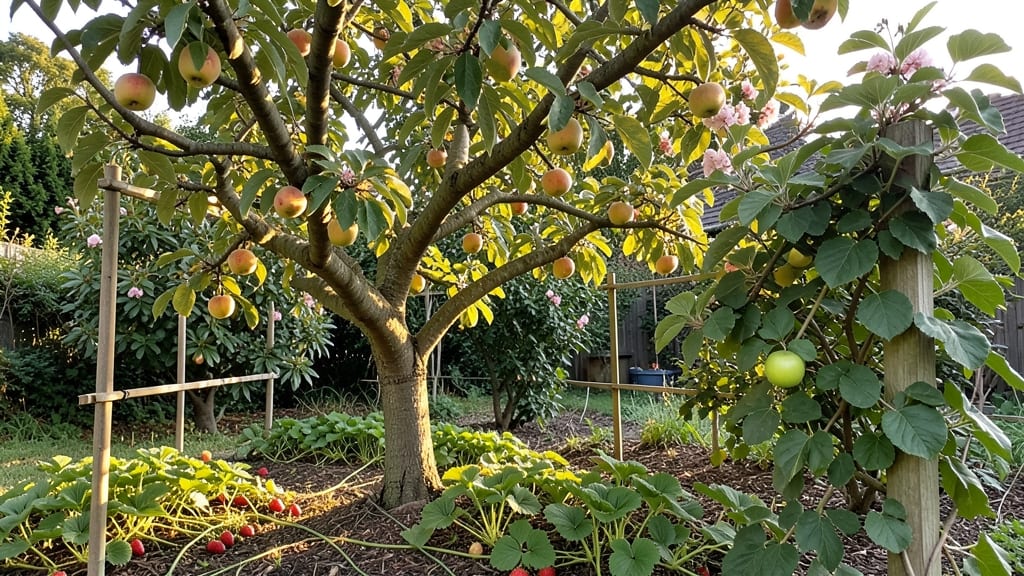
A backyard fruit garden packed with berries, stone fruits, and citrus thrives in even the tiniest yards. 🌿 I designed mine around a 10-foot-by-12-foot patch using dwarf varieties, and it now produces enough fruit for jams, fresh eating, and sharing with neighbors.
The key isn’t space—it’s smart layering: tall fruit trees at the back, bush fruits in the middle, and trailing vines along fences.
Start with five to seven varieties that ripen at different times for continuous harvests. My setup includes a dwarf apple tree, two blueberry bushes, a raspberry patch, and a citrus tree in a large container—all chosen for their compact size and productivity.
Companion planting with herbs like mint and thyme keeps pests away while adding fragrance to the space.
By summer’s end, you’ll be picking sweet cherries, juicy peaches, and plump berries straight from your yard. The garden doubles as a cozy seating area with built-in benches under the trees, making it as functional as it is beautiful. Plus, the scent of blooming fruit trees in spring is unbeatable.
This design works for urban backyards, suburban lots, or even small patios with containers. Whether you’re growing in raised beds or directly in the ground, the principles stay the same: prioritize sunlight, choose the right varieties, and let nature do the rest.
📚 In This Guide
- What you need
- Instructions
- Tips and common mistakes
- Wrapping up and next steps
What you need
- ● Fruit plants: Choose dwarf or container-friendly varieties (e.g., blueberries, strawberries, dwarf citrus, raspberries, or figs). Start with 3–5 plants (or 1–2 per container) for a manageable harvest.
- ● High-quality potting soil: 1–2 cubic yards (for in-ground planting) or 10–20 gallons (for containers). Opt for a mix with compost or aged manure for nutrients.
- ● Compost or organic fertilizer: 5–10 lbs (e.g., worm castings, fish emulsion, or balanced 10-10-10 fertilizer).
- ● Mulch: 2–3 inches of straw, wood chips, or pine bark to retain moisture and suppress weeds.
- ○ Drip irrigation or soaker hoses: 50–100 feet of tubing (adjust based on garden size) + a timing controller (optional but helpful).
- ● Pruning shears: 1 pair (bypass pruners for clean cuts).
- ● Garden gloves (1 pair) – Protect your hands from thorns and dirt!
- ● Trowels or hand shovels (1–2) – For planting and soil prep.
- ● Containers (if not planting in-ground) – 5–15 gallon pots with drainage holes (1 per plant).
- ● Trellis or stakes (for vining fruits like grapes or raspberries) – 2–4 per plant.
- ● Row covers or netting – To protect from pests (e.g., birds or insects).
- ● pH test kit – Ensures your soil is ideal for your fruit (e.g., 4.5–5.5 for blueberries).
- ● Fruit-specific care kits – E.g., citrus food for lemons/limes or strawberry runners for propagation.
- ● Sunlight: 6–8 hours of direct sun daily (adjust for shade-tolerant varieties like figs).
- ● Space: Minimum 3’ x 3’ per plant (or container depth of 12–18 inches).
- ● Water source: Access to a hose or irrigation system.
- ● Local climate knowledge: Choose cold-hardy or heat-tolerant varieties based on your USDA zone.
How to plan a productive backyard fruit garden
Start small with these proven strategies for a thriving fruit garden that fits any yard size.
🌱 Step 1: Choose Compact, High-Yield Varieties
Focus on dwarf or columnar fruit trees like apple, peach, or cherry varieties that stay under 8 feet tall. These fit easily in small spaces and produce just as well as full-size trees. I always pick self-pollinating varieties to avoid needing multiple trees—like Honeycrisp or Sugar Tie apples.
For berries, opt for bush varieties like blackberries or blueberries in 1-gallon containers. These grow in tight clusters and don’t spread like vines. You’ll see fruit in 1-2 years instead of waiting 5+ years for full-size trees.
☀️ Step 2: Select the Best Sun and Soil Spots
Fruit trees need 6-8 hours of direct sun daily, so place them where they’ll get morning sun and afternoon shade if your climate is hot. I test spots by observing which areas stay dry and warm—these are ideal for fruit production.
Amend the soil with 2-3 inches of compost before planting. Fruit trees hate soggy roots, so ensure the area drains well. If your soil is heavy clay, mix in 1 part sand or perlite per 3 parts soil to improve drainage. You’ll know you’ve got it right when the soil holds moisture but doesn’t feel compacted.
🪴 Step 3: Plant in the Right Season
Plant bare-root trees in late winter or early spring while they’re dormant. For container-grown plants, you can set them out in early spring or fall, as long as the ground isn’t frozen. Dig a hole twice as wide as the root ball but no deeper.
Place the tree in the hole so the graft union (the bump where the branches meet the trunk) sits 2-3 inches above soil level. This prevents rot and encourages strong growth. Backfill with soil, tamp gently, and water deeply to settle everything. You’ll see new leaves in 3-4 weeks—that’s your sign the tree is rooting well.
💧 Step 4: Water Deeply and Mulch to Retain Moisture
Water 1-2 times per week during the first growing season, giving each tree 1-2 gallons of water. Deep watering encourages roots to grow downward instead of staying shallow. I always water in the early morning so the foliage dries quickly and reduces disease risk.
Spread 2-3 inches of mulch around the base of each plant, keeping it 6 inches away from the trunk. Use wood chips or straw—they’ll keep soil cool and retain moisture. Replenish mulch annually, and you’ll see fewer weeds and less watering needed over time.
✂️ Step 5: Prune for Shape and Airflow
Prune young trees in late winter or early spring before buds swell. Remove any crossing branches or those growing inward—they’ll rub against each other and create wounds. I also cut back any suckers (shoots growing from the base) to direct energy into fruit production.
Shape the tree into an open center with 4-6 main branches spaced evenly around the trunk. This ensures good airflow and sunlight penetration. You’ll notice fruit sets better and ripens more evenly when the tree has proper structure.
Tips & tricks for a thriving backyard fruit garden
Small spaces shouldn't limit your harvest—these game-changing tips will help you maximize every square foot of your yard.
Variety Selection Wisdom: When choosing those compact varieties, look for labels that specify "dwarf" or "columnar" types—they're bred specifically for small spaces. For berries, opt for thornless varieties like 'Apache' blackberries or 'Top Hat' blueberries—they're easier to harvest and less intimidating for kids to help with. I've found that container-grown plants (especially those in 1-gallon pots) establish faster than bare-root trees, giving you fruit that much sooner.
Sunlight Strategy: That 6-8 hours of direct sun is non-negotiable, but here's the secret: morning sun is more important than afternoon. Early sunlight helps dry dew quickly, reducing fungal diseases. If you're working with limited sun exposure, consider reflective surfaces like light-colored walls or mirrors to bounce extra light onto your plants. For hot climates, afternoon shade becomes crucial—even temporary shade cloth can protect delicate fruit from sunscald.
Soil Prep Secret: Don't just add compost—create a soil "sandwich." Start with 2-3 inches of coarse sand or perlite at the bottom of your planting hole to improve drainage, then add your compost-amended soil mix, and finish with a layer of regular soil on top. This layered approach prevents waterlogging while keeping nutrients where the roots need them most. I've seen roots grow twice as vigorously when planted this way.
Watering Hack: The 1-2 gallons per tree might seem like a lot, but here's how to make it easier: use a simple watering can with a long spout or a soaker hose. Water slowly until you see moisture come out the bottom of the hole—this ensures deep root penetration. I set a timer for 30 minutes when watering new plants to guarantee they get enough without drowning. Mulching with wood chips creates a moisture-retaining blanket that reduces evaporation by up to 40%.
Pro Tips for Backyard Fruit Garden
- Small spaces shouldn't limit your harvest—these game-changing tips will help you maximize every square foot of your yard.
- Variety Selection Wisdom: When choosing those compact varieties, look for labels that specify "dwarf" or "columnar" types—they're bred specifically for small spaces.
- Sunlight Strategy: That 6-8 hours of direct sun is non-negotiable, but here's the secret: morning sun is more important than afternoon.
Frequently asked questions
Got questions about starting your backyard fruit garden?
Here are answers to the most common ones—so you can grow with confidence!
What are the easiest fruits to grow in a small backyard?
Start with low-maintenance picks like strawberries (container-friendly!), blueberries (acidic soil lovers), or dwarf apple trees (pollinate two varieties for fruit). Fig trees and grapes thrive in warm climates with minimal fuss. Pro tip: Check your USDA hardiness zone to match plants with your local weather!
How long does it take for a backyard fruit tree to bear fruit?
Most fruit trees take 2–5 years to produce fruit, depending on the type. Dwarf varieties (like peach or cherry trees) may fruit in 1–2 years, while citrus or avocado can take 3–5 years. Patience pays off—container-grown trees often mature faster than in-ground plants!
Can I grow fruit in containers if I don’t have a yard?
Strawberries, raspberries, and dwarf citrus thrive in pots (5+ gallons each). Use well-draining soil and a balanced fertilizer (like 10-10-10). Move containers to follow sunlight (6+ hours daily) and water daily in summer. Herbs like mint can even deter pests naturally!
What’s the best way to deal with pests in a small fruit garden?
Prevent pests with row covers, neem oil (spray on leaves), or beneficial insects (like ladybugs). For aphids or spider mites, blast off with water first. Avoid chemicals—they harm pollinators! Copper tape around tree trunks deters climbing pests like slugs.
Do I need two fruit trees to get fruit?
Most tree fruits (apples, peaches, cherries) need two compatible varieties for cross-pollination. Self-pollinating options like figs, pears, or some apples (check labels!) can fruit alone. Bonus: Planting one pollinator-friendly tree (like a plum) can help nearby fruit trees too!
Wrapping up and next steps
Starting a backyard fruit garden is one of the most rewarding ways to enjoy fresh, homegrown produce—no matter how small your space! 🍓 With the right planning, you can turn even a tiny corner of your yard into a thriving haven of flavor.
The key is choosing the right fruits, maximizing vertical space, and staying consistent with care.
Now that you’re armed with tips and answers, it’s time to roll up your sleeves! Begin by sketching a simple layout for your garden—mark where your containers, trellises, or dwarf trees will go.
Then, gather your tools and plant your first fruit this weekend. Every bite of that juicy berry or sweet peach will remind you that great things grow from small spaces.