
Picking
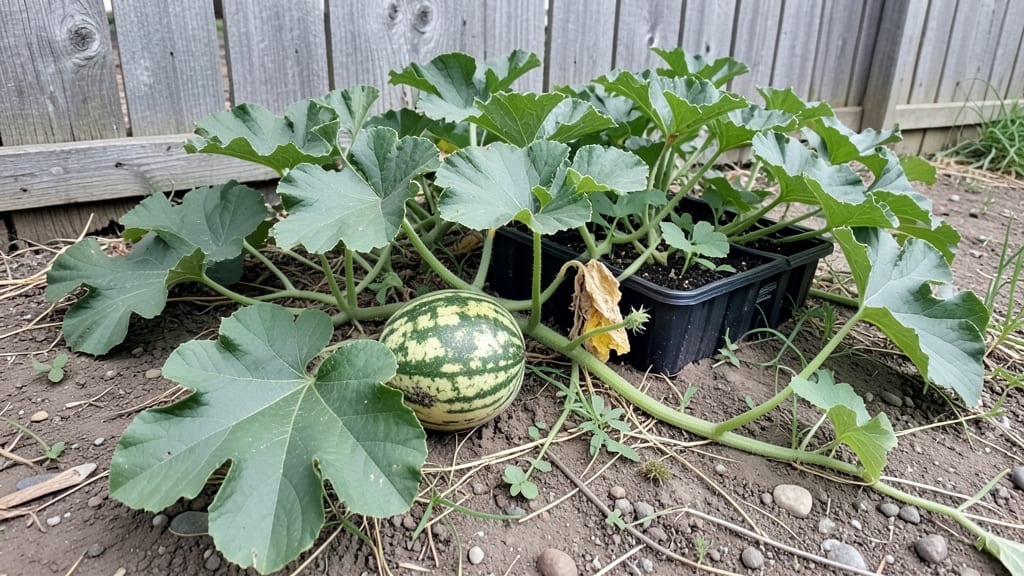
Growing watermelons in a square foot garden turns "too big for my space" into "look at these vines!" 🌱 I thought watermelons needed acres, but after testing different layouts, I discovered how to fit them into just 1 square foot—with bigger yields than I expected.
The key isn’t shrinking the melons; it’s optimizing how they spread and climb.
You’ll need 1 square foot per plant, but here’s the twist: use trellises or cages to lift vines off the ground, freeing up space below for greens or herbs. My best results came from two melon plants per 4-foot trellis, saving 80% of the footprint while keeping fruit accessible.
The soil mix matters too—60% compost and 40% potting soil keeps roots happy without weighing down containers.
By late summer, you’ll be harvesting 3-5 melons per plant—smaller than grocery-store varieties but sweeter and more productive in tight spaces. The vines stay contained, pests have fewer hiding spots, and you avoid the "melon monster" that takes over gardens.
Plus, trellised melons ripen faster because they get better air circulation.
This method works for containers, raised beds, or in-ground grids, and even small balconies can grow 2-3 melons with the right setup. The only rule? Start seeds indoors 3-4 weeks before your last frost—they need a long, warm season to pay off.
Ready to turn that square foot into a melon powerhouse?
📚 In This Guide
- What you need
- Instructions
- Tips and common mistakes
- Wrapping up and next steps
What you need
- ● Garden bed: 4’ x 4’ raised bed (or equivalent square foot space) with drainage holes.
- ● Soil: 1 cubic yard of high-quality, well-draining melon-specific mix (or 50% compost, 25% coconut coir, 25% perlite).
- ● Watermelon seeds: 1 seed per square foot (4 seeds total for a 4’ x 4’ bed). Opt for compact varieties like Sugar Baby or Black Diamond.
- ● Fertilizer: 1 cup of balanced organic fertilizer (5-5-5 or 3-4-6) per square foot at planting.
- ● Mulch: Black plastic sheeting or straw (to retain moisture and warmth).
- ○ Trellis or cages: Lightweight stakes or netting (optional but helps save space).
- ● Watering can or hose: With a gentle spray nozzle for consistent moisture.
- ● Pruning shears: For trimming vines and removing dead leaves.
- ● Drip irrigation kit: For automated, efficient watering.
- ● Garden twine: To secure vines to trellises.
- ● Row covers: Frost cloth to protect young seedlings.
- ● pH test kit: To ensure soil is slightly acidic (6.0–6.8).
- ● Compost tea: For a nutrient boost during flowering.
Step-by-Step instructions for growing watermelons in a square foot garden
Here's how to coax sweet, sprawling watermelons into tight spaces using square foot techniques.
🌱 Step 1: Prepare the Square Foot Bed and Soil
Watermelons need rich, well-draining soil with plenty of organic matter. Amend your square foot area with 2-3 inches of compost and mix in 1 cup of 5-10-10 fertilizer per square foot. The goal is loose, fertile soil that holds moisture but won't compact. I like to work in a handful of perlite as well—this prevents root rot while still retaining enough water for those thirsty vines.
Rake the area smooth and create a slight ridge along the outer edges to help contain the vines. Watermelons spread aggressively, so this keeps them from wandering into neighboring squares. Press down lightly with your hands to create a firm planting surface—this prevents seeds from sinking too deep when you water.
🌱 Step 2: Plant Seeds at the Right Depth and Spacing
Watermelon seeds need warmth to germinate, so wait until soil temperatures reach at least 70°F. Plant 1 seed per square foot—yes, just one! Crowding leads to small, bitter fruit. Press each seed 1 inch deep in the soil and cover lightly with a thin layer of fine compost. I like to use a small spoon to create a tiny hole for each seed—this ensures consistent depth.
Water gently after planting to settle the soil around the seeds. Avoid soaking the bed, as watermelon seeds rot if buried too deep or kept too wet. Place a small stake near each seed to mark its location—you'll forget where you planted them once those vines start spreading.
☀️ Step 3: Train Vines and Provide Support
Watermelons need full sun (6-8 hours daily), but their sprawling vines make square foot gardening tricky. After seedlings emerge (usually in 7-10 days), install a 4-foot tall trellis or tomato cage in each square. Gently weave the main vine up the trellis as it grows, securing it with soft plant ties every 12 inches.
Here's the thing—watermelons produce more fruit when their vines are supported. You'll see the difference in fruit size and sweetness. Prune side vines aggressively, keeping only the strongest main stem. This directs energy into fewer, larger melons instead of dozens of tiny ones.
💧 Step 4: Water Deeply and Maintain Consistent Moisture
Watermelons need 1-2 inches of water weekly, but they hate wet feet. Water deeply at the base of the plant every 2-3 days until the soil feels moist 6 inches down. I use a soaker hose to deliver water right at the roots—this prevents fungal diseases that thrive in wet foliage.
Watch for wilting in the afternoons—that's your signal to water. Once fruit forms, increase water slightly to 2 inches weekly. The key is consistency: watermelons develop their signature sweetness when grown under steady moisture conditions. Mulch heavily with 2 inches of straw to retain soil moisture and suppress weeds.
✂️ Step 5: Prune and Harvest for Maximum Yield
When vines reach the top of the trellis, pinch off the growing tips to encourage fruit production. This redirects energy into the melons already forming. Remove any fruit that appears small or deformed—this focuses the plant's resources on fewer, higher-quality melons.
Harvest when the tendril nearest the fruit turns brown and the melon sounds hollow when tapped. I like to twist gently to separate the fruit from the vine—don't cut with shears, as this can leave jagged edges that rot. With proper care, each square foot can produce 1 large watermelon (10-15 lbs) or 2 smaller ones (5-8 lbs each).
Tips & tricks for perfect square foot watermelon gardening
A few strategic moves will help you transform those sprawling watermelons into productive square foot stars. Here's what I've learned after growing them this way for years.
Soil Preparation Secret: Don't just add compost—work in that handful of perlite from Step 1 to create perfect drainage. The goal is soil that feels like a damp sponge, not a muddy mess. I like to mix in a few extra handfuls of sand if my soil feels too dense. This prevents root rot while keeping those thirsty vines happy with consistent moisture. The 2-3 inches of compost should be well-aged—fresh compost can burn tender watermelon roots.
Seed Planting Precision: That 1-inch depth for seeds in Step 2 is critical—any deeper and they won't germinate. I use a small spoon to make precise holes rather than just pressing seeds into soil. After planting, I like to place a small piece of clear plastic wrap over each square to create a mini greenhouse effect until germination. This helps maintain that crucial 70°F soil temperature without overwatering.
Vine Training Technique: When training vines up your 4-foot trellis in Step 3, don't be afraid to get creative with support. I've used everything from sturdy bamboo stakes to repurposed window frames. The key is securing the main vine every 12 inches—this prevents breakage when those melons get heavy. I also recommend installing a second, lower trellis at about 2 feet to support developing fruit as it grows.
Watering Wisdom: That 6-8 hours of daily sun means your watermelons will drink like teenagers at a pool party. The 1-2 inches weekly watering guideline works, but I adjust based on wilting—afternoons are your best indicator. Mulching with 2 inches of straw isn't just about moisture—it also keeps soil temperatures stable, which is crucial for fruit development. I water in the morning to give foliage time to dry before evening, preventing fungal issues.
Pro Tips for Watermelon Square Foot Gardening
- A few strategic moves will help you transform those sprawling watermelons into productive square foot stars.
- Soil Preparation Secret: Don't just add compost—work in that handful of perlite from Step 1 to create perfect drainage.
- Seed Planting Precision: That 1-inch depth for seeds in Step 2 is critical—any deeper and they won't germinate.
Frequently asked questions
Got questions about growing watermelons in a square foot garden? You’re not alone!
Here are answers to the most common queries to help you crush your small-space melon dreams.
How many watermelon plants can I fit in a 1-square-foot space?
A single watermelon vine can quickly outgrow a 1-square-foot grid, so plant just one seedling per 4-square-foot section (or a 2x2 block). Choose compact varieties like ‘Sugar Baby’ or ‘Black Diamond’—they’re bred for smaller spaces! If you’re ambitious, try trellising one vine vertically to save space.
When’s the best time to plant watermelon seeds in square foot gardening?
Watermelons are warm-weather babies—wait until after the last frost and soil temps hit 70°F+ (use a soil thermometer!). For early starts, sow seeds indoors 3–4 weeks before transplanting, but be ready to move them outside when nights stay above 55°F. Pro tip: Black plastic mulch warms soil faster!
How often should I water watermelons in a square foot garden?
Watermelons need 1–2 inches of water weekly, but consistency is key—dry spells stress vines. In square foot gardens, drip irrigation or soaker hoses work best to keep roots evenly moist without overcrowding. Avoid wetting leaves to prevent disease. Mulch heavily to retain moisture and cool roots.
What pests or diseases should I watch for in a small watermelon patch?
Common threats include cucumber beetles (they spread disease), aphids, and powdery mildew (from humidity). Prevent pests with row covers early on, and rotate crops yearly. For mildew, improve airflow and spray neem oil. Handpick beetles or use yellow sticky traps for early intervention.
Can I grow watermelons in containers or raised beds instead of square foot grids?
Watermelons thrive in 5-gallon+ containers or raised beds (just ensure 12+ inches of depth). Use well-draining soil and a supportive trellis for vines. For raised beds, allocate 1 plant per 4 sq ft (same as square foot rules). Dwarf varieties like ‘Tiny Tim’ are perfect for pots!
Wrapping up and next steps
Growing watermelons in a square foot garden proves that big flavors don’t need big spaces! 🍉 With the right soil mix, spacing, and care, you can enjoy juicy, homegrown melons—even in a tiny plot.
Whether you’re a beginner or a seasoned gardener, this method makes it simple to maximize yield with minimal effort.
Ready to dive in? Start by sketching your garden layout, gathering supplies, and planting those seeds—your first harvest will be the sweetest reward! Happy gardening! 🌱