
Companion Plants
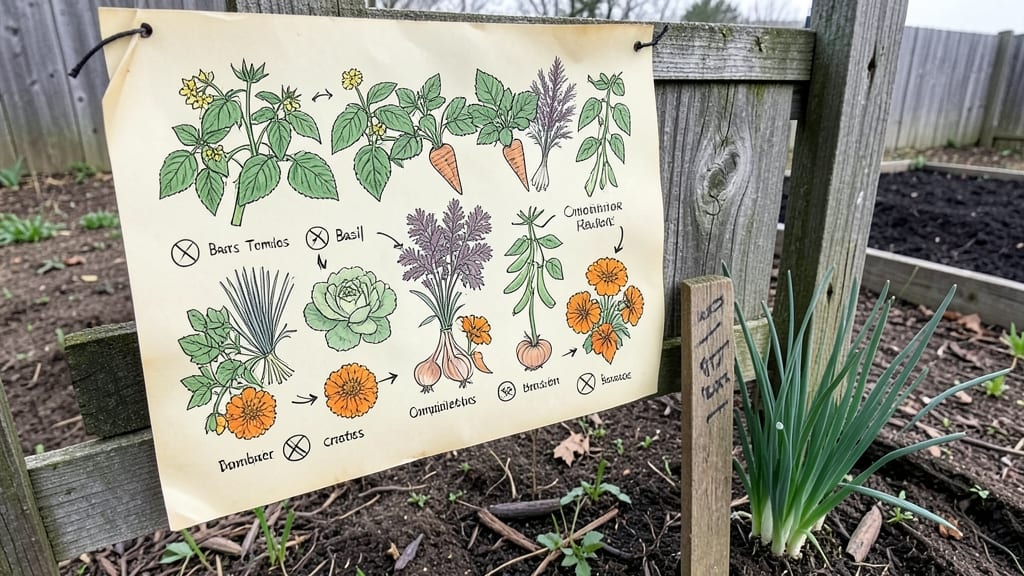
A vegetable garden companion planting chart isn’t just a list—it’s your secret weapon for a garden that practically grows itself. I’ve tested these pairings for years, and the difference between struggling plants and a thriving plot comes down to who you put next to whom.
The right neighbors deter pests, improve flavor, and even save space, while the wrong ones create chaos. My first garden had stunted tomatoes until I moved them next to basil, and that’s when I realized how much smarter plants are than we give them credit for.
This system works with just a few simple rules: start with your biggest plants (like corn or tomatoes) as anchors, then weave in pest-deterring allies (marigolds, nasturtiums) around them.
Herbs like dill and cilantro make great fillers between rows of carrots or lettuce, while onions and garlic act as natural fungicides for nearby crops. The key is spacing—give tall plants room to shade smaller ones without stealing all their sunlight.
A well-planned layout means less weeding, fewer pests, and harvests that keep coming all season long.
What you’ll end up with is a garden that looks like a living ecosystem, not a random scattering of plants. Imagine crisp lettuce thriving under the shade of taller peas, or sweet potatoes growing happily beside bush beans without competing for nutrients.
The chart breaks down these relationships so you can mix and match based on your space, climate, and what you love to eat. No more guessing—just proven pairings that multiply your success.
Perfect for beginners who want foolproof results or veterans looking to fine-tune their layouts. Once you see how these pairings work in action, you’ll never plant the same way again. Let’s get those plants talking to each other—literally.
📚 In This Guide
- What you need
- Instructions
- Tips and common mistakes
- Wrapping up and next steps
What you need
- ● Companion Planting Chart: Printed or digital copy of your preferred chart (e.g., blank">University of Minnesota’s guide or blank">Rodale Institute’s recommendations).
- ● Garden Plot: Minimum 10x10 ft space (expandable for larger gardens).
- ● Well-draining soil (amend with 2–3 inches of compost per season).
- ● Full sun exposure (6–8 hours/day for most vegetables).
- ● Seeds or Seedlings: Choose 3–5 complementary plant varieties (e.g., tomatoes + basil + marigolds).
- ● Organic seeds or certified disease-free seedlings (check seed packets for companion pairings!).
- ● Basic Gardening Tools: Trowel (4–6 inches for precision planting).
- ● Garden fork (for aerating soil).
- ● Pruners (bypass-type for clean cuts).
- ● Measuring tape (10–25 ft for spacing).
- ● Watering Supplies: Hose with adjustable nozzle OR watering can (1–2 gallon capacity).
- ○ Drip irrigation kit (optional but highly recommended for efficiency).
- ● Mulch: Straw, wood chips, or shredded leaves (2–3 inches thick) to retain moisture.
- ● Row Markers: Stakes or flags to label companion pairs (e.g., "Tomatoes + Basil").
- ● Pest Deterrents: Neem oil spray (2–3% concentration).
- ● Ladybugs or lacewing larvae (natural aphid predators).
- ● Journal: Notebook to track plant interactions, growth notes, and pests.
- ● Garden Gloves: Lightweight, breathable pair for comfort.
Instructions for designing your own vegetable garden companion planting layout
Here's how to arrange your garden beds using proven companion plantings for healthier plants and fewer pests.
Group Plants by Family and Growth Habits
Start by organizing your garden into sections based on plant families and growth patterns. Tomatoes, peppers, and eggplants belong together—they share similar care needs and thrive when planted near basil or marigolds, which naturally repel pests. Keep these groups separate from brassicas like cabbage, broccoli, and kale, which prefer companions like dill, onions, or lettuce.
Tall plants like sunflowers or corn should go on the north side of the garden to avoid shading shorter crops. This ensures every plant gets at least 6 hours of sunlight daily, which is critical for strong growth. I like to sketch a rough layout on graph paper first—it helps visualize spacing and sunlight exposure before digging.
Pair Beneficial Companions According to the Chart
Use a trusted companion planting chart as your guide, but don’t just follow it blindly. For example, plant bush beans near corn—the beans fix nitrogen in the soil, which the corn will use later. Pair carrots with onions or leeks to deter carrot flies, and interplant radishes with lettuce to keep weeds down while the radishes mature quickly.
I always include marigolds along the edges of beds—they repel nematodes and attract pollinators. If you’re growing potatoes, tuck in basil nearby to improve flavor and deter beetles. The key is balance: too many strong companions can compete for nutrients, so space them thoughtfully.
Plan for Successive Plantings and Pest Control
Design your layout to allow for succession planting—after harvesting early crops like radishes or lettuce, replant the space with slower-growing companions like cabbage or broccoli. This keeps the garden productive all season. For example, after picking green beans, follow with spinach or kale, which thrive in the same conditions.
Include traps crops like nasturtiums near vulnerable plants—bees love them, but pests avoid them. If you notice aphids on your roses (which shouldn’t be in the veggie bed, but just in case), crush a few leaves of garlic or chives nearby to deter them naturally. Rotate crops yearly to prevent soil-borne diseases from building up.
Leave Space for Pollinators and Beneficial Insects
Dedicate 10-15% of your garden space to pollinator-friendly plants like borage, calendula, or dill. These attract bees, hoverflies, and ladybugs, which control pests naturally. Place them near fruit-bearing plants like cucumbers, squash, and melons to ensure good pollination and higher yields.
If your garden feels crowded, thin out some rows slightly—overcrowding stresses plants and makes them more susceptible to disease. You’ll know you’ve got the right balance when you see ladybugs on your plants in the morning and hummingbirds visiting the flowers by afternoon. This diversity keeps the ecosystem healthy without chemicals.
Test and Adjust Your Layout Each Season
Take notes on what worked and what didn’t. If tomatoes near basil produced fewer fruits this year, try moving the basil closer to the peppers next season. Pay attention to soil health—if certain areas look depleted, amend them with compost before replanting. Over time, you’ll refine your garden’s layout to maximize companionship benefits.
Don’t be afraid to experiment! Some pairings, like corn, beans, and squash, are classic for a reason, but others might surprise you. If you notice fewer pests or better growth in certain spots, that’s your garden telling you it’s happy with the arrangement. Adjust as needed—every garden is unique.
Tips & tricks for perfect vegetable garden companion planting
These practical strategies will help you create a thriving garden ecosystem that works together naturally.
Visual Planning Pays Off: Before digging, sketch your garden layout on graph paper using a 1-inch grid where each square represents 1 foot of garden space. This helps visualize how tall plants like sunflowers will shade shorter crops over time, ensuring every plant gets that critical 6 hours of sunlight daily. I've found that even experienced gardeners often underestimate how quickly taller plants can block sunlight—don't let that happen to you.
The Classic Three Sisters Method: When planting corn, beans, and squash together (as mentioned in Step 2), use a specific arrangement: plant corn first in a circle, beans between the corn stalks, and squash around the perimeter. The beans climb the corn while fixing nitrogen, the squash spreads to suppress weeds, and all three benefit from each other's strengths. This ancient technique works because it mimics natural forest ecosystems where different plants support one another.
Seasonal Rotation Matters: In Step 5, the instructions mention rotating crops yearly, but I've learned that a true 3-year rotation cycle prevents even more soil-borne diseases. For example, after growing tomatoes in a bed, follow with a non-solanaceae crop like lettuce, then a legume like peas before returning to tomatoes. This breaks pest and disease cycles that can build up when the same family occupies the same space year after year.
Pest Prevention Beyond the Bed: While marigolds and nasturtiums are excellent trap crops (as mentioned in Step 3), I've found that planting a border of garlic chives around the entire garden perimeter creates an additional protective barrier. The strong scent deters many pests before they even reach your vegetables. This works particularly well for gardens with common issues like cabbage moths or carrot flies.
Pro Tips for Vegetable Garden Companion Planting Chart
- These practical strategies will help you create a thriving garden ecosystem that works together naturally.
- Visual Planning Pays Off: Before digging, sketch your garden layout on graph paper using a 1-inch grid where each square represents 1 foot of garden space.
- The beans climb the corn while fixing nitrogen, the squash spreads to suppress weeds, and all three benefit from each other's strengths.
Frequently asked questions
Got questions about maximizing your garden’s potential with companion planting? You’re not alone! Here are answers to the most common queries to help you grow like a pro.
What are the best companion plants for beginners?
Start with easy pairings like basil and tomatoes (basil repels pests and enhances flavor) or carrots and onions (onions deter carrot flies). These low-maintenance combos are forgiving and hard to mess up—perfect for new gardeners!
When is the best time to plant companion plants together?
Plant companions at the same time if they have similar growing seasons (e.g., lettuce and radishes). For slower growers like asparagus, wait until they’re established before adding fast companions like bush beans. Always check seed packets for days to maturity to align timelines!
What if I don’t have space for companion planting?
No room? Try interplanting (e.g., lettuce between tomato plants) or container gardening with stacked pots (like strawberries + thyme). Even a small balcony can host a trio of companions—think peppers + marigolds + cilantro in one pot!
How do I fix pest problems in companion-planted gardens?
If pests strike, rotate crops annually and add natural deterrents like nasturtiums (for aphids) or garlic (for Japanese beetles). For stubborn issues, handpick pests early or introduce beneficial insects (e.g., ladybugs for mites). Healthy soil = fewer pests!
Can I use companion planting with herbs and flowers?
Herbs like dill and cucumbers attract pollinators, while marigolds deter nematodes. Flowers such as borage improve tomato flavor and repel tomato hornworms. Mix them in for a double benefit: beauty and bounty!
Wrapping up and next steps
Companion planting isn’t just a clever trick—it’s a game-changer for your vegetable garden! 🌱 By strategically pairing plants, you’ll naturally repel pests, improve soil health, and maximize yields without synthetic inputs.
Whether you’re a seasoned gardener or just starting, this chart gives you the power to grow smarter, not harder.
Ready to transform your garden? Start small—pick one or two pairings from the chart this season and observe the magic unfold. Soon, you’ll be confidently designing thriving, self-sustaining plots that even Mother Nature would approve of! 🌿