
Planting
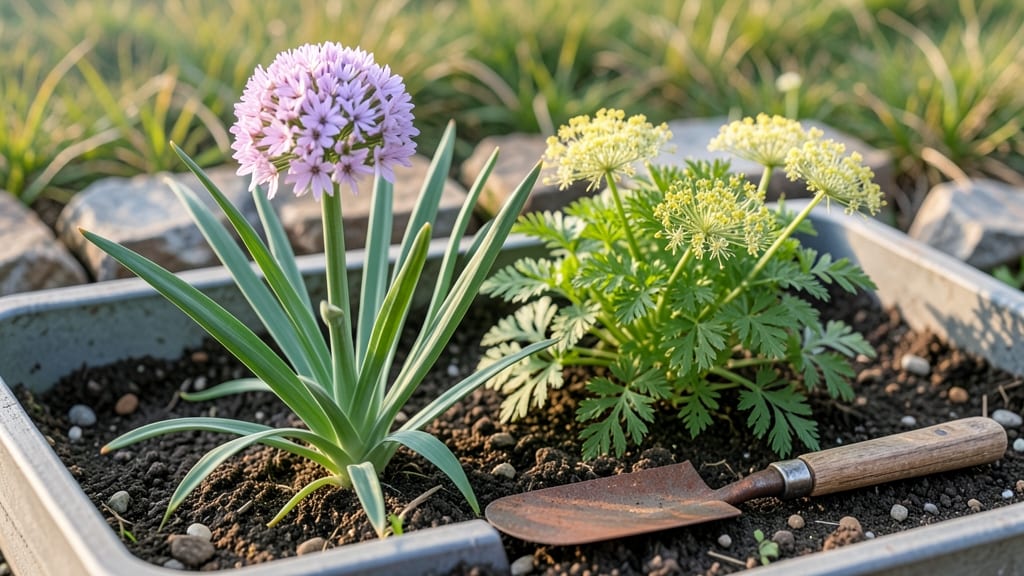
The vegetable garden companion planting guide isn't just about saving space—it’s about creating a thriving ecosystem where plants protect each other, repel pests, and even improve flavor. 🌱 I learned the hard way that my struggling tomatoes weren’t just underfed; they were suffering from nearby cabbage worms until I moved in marigolds as a decoy.
The right neighbors can double your harvest while cutting down on sprays.
Start with the classics: basil beside tomatoes keeps bugs away and enhances their taste, while carrots and onions planted together deter carrot flies.
But don’t stop there—herbs like dill and cilantro attract beneficial wasps that hunt garden pests, and beans fix nitrogen in the soil, feeding heavy feeders like corn and squash. The key is grouping plants with similar needs while avoiding harmful pairings, like beans near onions (they stunt each other’s growth).
By the time summer rolls around, you’ll notice fewer pests, healthier plants, and produce that tastes richer than anything from the store.
The layout takes just 30 minutes to sketch out, and the payoff is worth every minute—imagine tomatoes that ripen faster, peppers that resist aphids, and herbs that thrive without fuss. This isn’t just gardening; it’s a smarter, more sustainable way to grow.
Works for any size garden, from a balcony container setup to a full backyard plot. The best part? You’ll spend less time fighting nature and more time enjoying the results. Let’s get those pairings planned!
📚 In This Guide
- What you need
- Instructions
- Tips and common mistakes
- Wrapping up and next steps
What you need
- ● Garden Space: A sunny spot (6+ hours of sunlight daily) with well-draining soil. Pro tip: Raised beds or containers work great for small spaces! 💡
- ● Compost or Organic Matter: 2–3 inches mixed into soil to boost nutrients (e.g., worm castings, aged manure, or leaf mold).
- ● Companion Planting Chart: A printed or digital guide (like the one in this article!) to reference plant pairings.
- ● Seeds or Seedlings: Fast-growing plants (e.g., radishes, lettuce) – start these first!
- ● Medium-height plants (e.g., carrots, beans) – plant after fast growers
- ● Tall plants (e.g., corn, sunflowers) – place at the back or edges
- ● Gardening Tools: Trowel or hand fork (for transplanting seedlings)
- ● Pruners (for trimming dead foliage)
- ● Garden gloves (to protect your hands!)
- ● Watering can or hose with a gentle spray nozzle
- ● Mulch: Straw or wood chips to retain moisture and suppress weeds.
- ● Row Covers or Netting: To deter pests (e.g., cabbage moths, squash bugs).
- ● Plant Markers: Labels or sticks to track companion pairs (e.g., "Basil + Tomatoes").
- ● Soil pH Test Kit: Ensures optimal growing conditions for your plants.
- ● Companion Planting Starter Kit: Pre-mixed soil blends or organic fertilizers designed for companion gardens.
Step-by-Step instructions for designing your companion planting garden
Here’s how to arrange your plants for mutual benefits—no guesswork, just proven science.
🌱 Step 1: Plan Your Layout Based on Plant Families
Group plants by their botanical families but keep them separated by at least 12 inches. For example, tomatoes, peppers, and eggplants are all nightshades—plant them together but away from brassicas like cabbage or broccoli, which compete for nutrients. I sketch a rough map first, labeling each section with the plant’s name and its companions.
Use the 3-zone system for efficiency: Zone 1 for tall plants (like corn or sunflowers), Zone 2 for mid-height (beans, carrots), and Zone 3 for low-growing plants (lettuce, radishes). This prevents shading issues and makes harvesting easier. Real talk: I’ve seen gardens where tall plants block sunlight for smaller ones—don’t let that happen to you.
🌿 Step 2: Pair Plants That Repel Pests Naturally
Marigolds are my secret weapon—they repel nematodes and deter aphids from nearby veggies. Plant them around the perimeter of your garden or intersperse them every 2 feet between rows. Basil near tomatoes improves flavor and keeps flies away, while onions and garlic planted near carrots confuse carrot flies.
Don’t overlook herbs like dill or cilantro—they attract beneficial insects like ladybugs and lacewings, which devour pests. I always tuck a few rows of these into my garden edges. The key is balance: too many strong-scented plants can actually repel pollinators, so space them thoughtfully.
☀️ Step 3: Optimize Sunlight and Soil Sharing
Companion plants often share the same sunlight and soil needs, so group them accordingly. For instance, beans fix nitrogen in the soil—plant them near heavy feeders like corn or squash to boost growth. Avoid pairing high-nitrogen lovers (like lettuce) with nitrogen-fixers (like peas), or you’ll end up with stunted greens.
Use mulch (like straw or grass clippings) to retain moisture and regulate soil temperature. I apply a 2-inch layer around all plants, especially in hot climates. This keeps roots cool and reduces competition for water between shallow-rooted plants like lettuce and deep-rooted ones like carrots.
✂️ Step 4: Monitor and Adjust for Seasonal Changes
Check your garden every 2 weeks for signs of pest pressure or nutrient depletion. If aphids attack your roses, add more nasturtiums—they’re a trap crop that draws pests away. Rotate crops annually to prevent soil-borne diseases from building up, especially in heavy-use areas like tomato beds.
Watch for overcrowding as plants mature. For example, pole beans grow tall and vine-like, so give them 6 inches of space between plants and 18 inches between rows. If you notice leaves yellowing or wilting, it might be a sign of overcrowding or poor airflow—thin out plants immediately to restore balance.
🪴 Step 5: Harvest Strategically to Encourage Growth
Pick vegetables at their peak to prompt continuous production. For instance, harvest lettuce leaves individually rather than pulling the whole plant—this encourages regrowth. In contrast, pull carrots or beets when fully mature to free up space for faster-growing companions like radishes or spinach.
Leave some plants to flower (like cilantro or dill) to attract pollinators, even if you’re not using them for food. I always save a few rows of these "wild" plants—they’re unsung heroes for garden biodiversity. And here’s the thing: a well-timed harvest keeps your garden productive and prevents pests from moving in when plants become stressed.
Tips & tricks for perfect companion planting
Here's what nobody tells you about creating a thriving companion garden—these tricks will help you avoid common mistakes and maximize your harvest.
The Spacing Secret: That 12-inch separation between plant families in Step 1 isn't just about aesthetics—it prevents root competition and disease spread. I've seen gardens where plants were too close, leading to powdery mildew outbreaks. For brassicas like cabbage, give them even more space (18-24 inches) since they need room to develop those big heads.
Pest Prevention Pro Tip: When you plant marigolds every 2 feet as suggested in Step 2, don't just put them on the edges—intersperse them throughout your garden. I learned this the hard way after aphids still found their way to my tomato plants. The key is creating a protective barrier at all levels of your garden.
Nitrogen Balance: The beans-corn-squash trio in Step 3 is classic for a reason, but here's what nobody mentions: don't plant too many nitrogen-fixing beans near leafy greens like lettuce. While beans add nitrogen to the soil, lettuce actually prefers cooler, nitrogen-rich conditions that can become overwhelming. Balance is everything—aim for about 1/3 beans to 2/3 other plants in your nitrogen-heavy zones.
Mulch Magic: That 2-inch layer of mulch in Step 3 isn't just for moisture retention—it's also a weed suppressant. I've found that mulching right up to plant stems (but not touching them) prevents soil-borne diseases from splashing onto leaves during rain. Plus, organic mulches like straw slowly break down, adding nutrients back to your soil over time.
Pro Tips for Vegetable Garden Companion Planting Guide
- Here's what nobody tells you about creating a thriving companion garden—these tricks will help you avoid common mistakes and maximize your harvest.
- The Spacing Secret: That 12-inch separation between plant families in Step 1 isn't just about aesthetics—it prevents root competition and disease spread.
- Pest Prevention Pro Tip: When you plant marigolds every 2 feet as suggested in Step 2, don't just put them on the edges—intersperse them throughout your garden.
Frequently asked questions
Got questions about companion planting? You’re not alone!
Here are some of the most common queries—and clear, science-backed answers—to help you grow like a pro.
What are the best companion plants for beginners?
Start with easy pairings like basil + tomatoes (basil repels pests and boosts flavor), carrots + onions (onions deter carrot flies), or marigolds + almost everything (they’re natural pest deterrents). These combos are forgiving, low-maintenance, and yield great results!
When is the best time to plant companion crops together?
Timing depends on your plants! Fast growers (like radishes or lettuce) can go in early, while slow growers (like tomatoes or squash) need to be planted after the last frost. Pro tip: Check seed packets for days to maturity—pair short-season crops with long-season ones to maximize space and sunlight.
What if I don’t have space for ideal companions?
No worries! Container gardening works great—try bush beans + strawberries in a pot, or peppers + chives on a balcony. Even single-row gardens can benefit: plant pest-repelling herbs (like dill or cilantro) between vulnerable crops. Close quarters can still improve yields!
How do I fix companion planting mistakes?
If pests or diseases strike, remove affected plants immediately and replace them with repellent companions (e.g., nasturtiums for aphids or garlic for fungal issues). For soil issues, add compost or mulch to restore balance. Prevention is key—rotate crops yearly!
Can I use companion planting with raised beds?
Raised beds are perfect for companion planting because you control soil and spacing. Stack leafy greens (lettuce, spinach) with root crops (carrots, beets) in layers, or place tall plants (corn, sunflowers) at the back with low growers (basil, thyme) in front. Just ensure each plant gets its sunlight needs!
Wrapping up and next steps
Companion planting isn’t just a gardening trick—it’s a science-backed strategy to boost yields, deter pests, and create a thriving ecosystem in your garden. 🌱 By pairing the right plants, you’ll spend less time battling bugs and more time enjoying the fruits (and veggies!) of your labor.
Whether you’re a beginner or a seasoned green thumb, these pairings make gardening easier—and more rewarding!
Ready to put theory into action? Start small: pick one or two companion pairs from this guide, sketch a simple garden layout, and watch your plants flourish together. Happy planting—your future harvest is waiting! 🌿