
Container Gardens
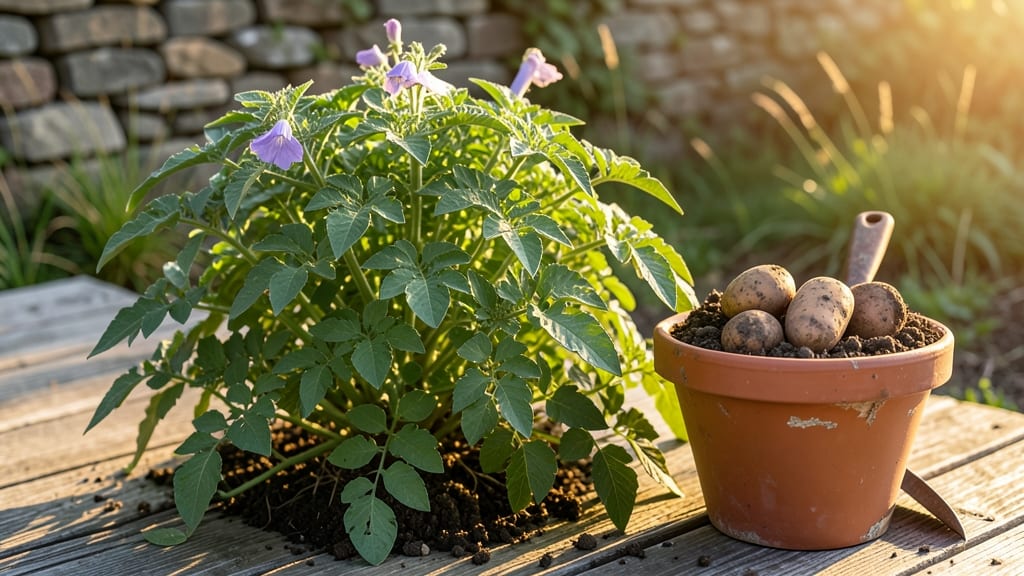
This potatoes container gardening trick turns my tiny balcony into a spud-producing powerhouse—no backyard needed. 🌱 The secret lies in choosing the right varieties and giving them room to grow vertically, which saves space while boosting yields.
I’ve grown enough Yukon Golds and Red Pontiacs in 5-gallon buckets to feed my family for weeks, and the process is simpler than you’d think.
The key is using deep containers—at least 12 inches tall—and filling them with loose, well-draining soil. You’ll start with seed potatoes cut into chunks (each with an "eye"), plant them shallowly, and watch as vines shoot up like green curtains.
Watering is the trickiest part: keep the soil consistently moist but never soggy, and you’ll avoid the dreaded hollow-heart syndrome that ruins store-bought spuds.
By harvest time, you’ll be pulling out fistfuls of crisp, earthy potatoes that taste fresher than anything from the grocery store. The best part? You can grow them year-round in warm climates or extend the season with grow lights.
Even my black thumb can’t kill these—once you get the hang of it, you’ll wonder why you ever bought potatoes at the store.
This method works for apartments, patios, or even sunny windowsills, as long as you give those tubers enough space to spread their roots. Ready to turn your smallest space into a spud factory? Let’s get those containers filled!
📚 In This Guide
- What you need
- Instructions
- Tips and common mistakes
- Wrapping up and next steps
What you need
- ● Container(s): At least 1–2 containers per potato plant (5+ gallons each for standard varieties, 1–2 gallons for compact types like ‘Yukon Gold’ or ‘Red Pontiac’).
- ● Options: Drill holes in the bottom for drainage (or use fabric grow bags with built-in drainage).
- ● Potting Mix: Lightweight, well-draining mix (avoid garden soil). Aim for 1–2 bags (4–6 cubic feet total) per container setup.
- ● Potato Seeds: Certified seed potatoes (not grocery-store spuds!). Choose 3–5 small tubers per container (cut larger ones into pieces with at least 2–3 "eyes" each).
- ● Fertilizer: Balanced organic fertilizer (e.g., 10-10-10) or compost. Use 1–2 tablespoons per container at planting and mid-season.
- ● Watering Can or Hose: With a gentle spray nozzle to avoid displacing soil.
- ○ Twine or Twist Ties: For securing plant supports (optional but helpful for tall varieties).
- ● Container Lids or Covers: To extend growing season in cooler climates (e.g., black plastic mulch or clear domes).
- ● Soil Thermometer: To monitor temperature (ideal: 45–85°F for planting/growth).
- ● Epsom Salt: For magnesium boost (dissolve 1 tbsp in 1 gallon of water every 4–6 weeks).
- ● Pest Deterrents: Copper tape or diatomaceous earth to keep critters away.
Step-by-step instructions for growing potatoes in containers
Here's how I turn a small balcony into a potato patch—no yard needed.
🪴 Step 1: Choose the Right Containers and Fill with Soil
Use 5-gallon buckets or 12-inch deep containers with drainage holes—potatoes need room to grow those knobby tubers. I drill extra holes in the sides if they don't come that way, because soggy roots mean rotten potatoes. Fill each container halfway with a mix of 50% potting soil and 50% compost—this gives them the nutrients they crave while staying light enough for roots to spread.
Don't pack the soil down. You want it loose so those potato eyes can push through easily. Tap the container gently to settle it, then add 2-3 inches of straw mulch on top. This keeps soil moist and mimics the loose, organic matter potatoes love in the ground.
🌱 Step 2: Plant Seed Potatoes at the Right Depth
Cut your seed potatoes into chunks with 2-3 eyes each, letting them dry for a day to prevent rot. Plant one chunk per container, 4 inches deep, with the eyes facing up. If you're using whole potatoes, place them 6 inches deep—deeper means more soil to fill as they grow.
Cover lightly with soil, then add another 2 inches of straw mulch. Water gently until the soil feels damp but not soggy. The key here is keeping moisture steady—potatoes hate drying out or sitting in water. I check soil moisture by sticking my finger in; if it feels dry at the first knuckle, it's time to water.
☀️ Step 3: Provide Sun and Gradually Add Soil
Place containers in a spot with 6+ hours of direct sun daily. Potatoes need warmth to grow, so if your balcony gets afternoon shade, move them to catch morning sun instead. As the green stems grow, add 2-3 inches of soil or straw mulch every 2 weeks until the container is full.
This "hilling" trick prevents sunlight from turning the tubers green (which makes them bitter). Watch for the stems to reach the rim—when they do, stop adding soil. You'll know it's time to harvest when the foliage yellows and dies back, usually around 90-120 days after planting.
✂️ Step 4: Harvest and Store Your Homegrown Potatoes
When the plants die back, let the soil dry out for a day or two, then gently tip the container to release the potatoes. Brush off excess soil and inspect for any green spots—those need to be cut away immediately. Store the potatoes in a cool, dark place with good airflow, like a cardboard box in your garage.
Don't wash them before storing—moisture speeds up spoilage. If you see any sprouting after a few weeks, move them to a paper bag and check them monthly. With this method, I've had potatoes last through winter, ready for next season's meals.
Tips & tricks for perfect container-grown potatoes
These space-saving tricks will help your container potatoes thrive—no backyard required!
Container Selection: If you don't have 5-gallon buckets, try large fabric grow bags or even sturdy plastic bins with drainage holes. The key is depth—potatoes need at least 12 inches to develop properly. I've used old trash cans with holes drilled in the bottom and sides for extra space. Just make sure whatever you choose can handle the weight of mature plants and soil.
Soil Mix Matters: The 50/50 potting soil to compost ratio is perfect for container growing, but if you're short on compost, add a handful of worm castings or well-rotted manure instead. These add extra nutrients without compacting the soil. Avoid garden soil—it's too heavy and can suffocate roots in containers.
Planting Depth: When planting those seed potato chunks, remember the 4-inch rule for pieces and 6 inches for whole potatoes. The deeper you plant, the more soil you'll need to add later. I like to mark my containers with a pencil at the 4-inch level so I don't accidentally plant too shallow. Shallow planting often leads to small potatoes and green tubers.
Hilling Technique: The 2-week hilling schedule in Step 3 is crucial for preventing green potatoes. If you forget to hill, simply mound soil around the stems whenever you notice new growth. This works just as well! The goal is to keep the stems exposed to sunlight but the tubers buried in darkness. You'll know you're doing it right when your containers look like little volcanoes by harvest time.
Pro Tips for Potatoes Container Gardening
- These space-saving tricks will help your container potatoes thrive—no backyard required!
- Container Selection: If you don't have 5-gallon buckets, try large fabric grow bags or even sturdy plastic bins with drainage holes.
- Soil Mix Matters: The 50/50 potting soil to compost ratio is perfect for container growing, but if you're short on compost, add a handful of worm castings or well-rotted manure instead.
Frequently asked questions
Got questions about growing potatoes in containers? You’re not alone—this method is packed with possibilities but also comes with a few quirks! Here are answers to the most common queries to help you grow like a pro.
What’s the best container size for growing potatoes?
For one potato plant, aim for a container at least 12 inches deep and 12 inches wide. If you’re planting multiple tubers, use a larger bin (like a 5-gallon bucket) or a tall, narrow pot—just ensure it has drainage holes. Deeper containers let potatoes grow bigger without crowding!
How long does it take for container-grown potatoes to harvest?
Most varieties take 90–120 days from planting to harvest, but you can start digging new potatoes (small, tender ones) as early as 50–60 days! Check for harvest readiness by gently brushing soil away—if you see tiny potatoes, it’s time to pull a few for salads or roasting.
Can I grow potatoes in containers without soil?
Yes! Try hydroponics or grow bags filled with coconut coir or peat moss for a soil-free option. Just ensure the medium drains well and stays moist. Some gardeners also use straw or grass clippings as a low-maintenance alternative, though soil (or a soil mix) still yields the best results for flavor and yield.
How do I prevent pests like aphids or wireworms in container potatoes?
Start with pest-resistant varieties (like ‘Yukon Gold’ or ‘Red Pontiac’). Use row covers early in the season to block flying pests, and inspect leaves weekly for aphids. For wireworms, add beneficial nematodes to the soil or rotate crops yearly. A neem oil spray can also deter soft-bodied bugs naturally.
What can I plant after potatoes in the same container?
Potatoes are heavy feeders, so let the container rest for 4–6 weeks to replenish nutrients. Great follow-up crops include leafy greens (spinach, lettuce), bush beans, or radishes. Avoid planting nightshades (tomatoes, peppers) in the same spot to prevent disease buildup.
Wrapping up and next steps
Container gardening with potatoes is a game-changer for small spaces—proving you don’t need a backyard to grow a bountiful harvest! 🌱 With the right pots, soil, and care, you can enjoy homegrown spuds year after year, whether you’re a beginner or a seasoned green thumb.
Start small, experiment with varieties, and watch your confidence (and yield) grow.
Ready to dig in? Your next step: Grab a container, pick your favorite potato type, and plant your first spud today! Share your progress or ask questions—we’re here to help you grow with joy! 🌟