
Advice
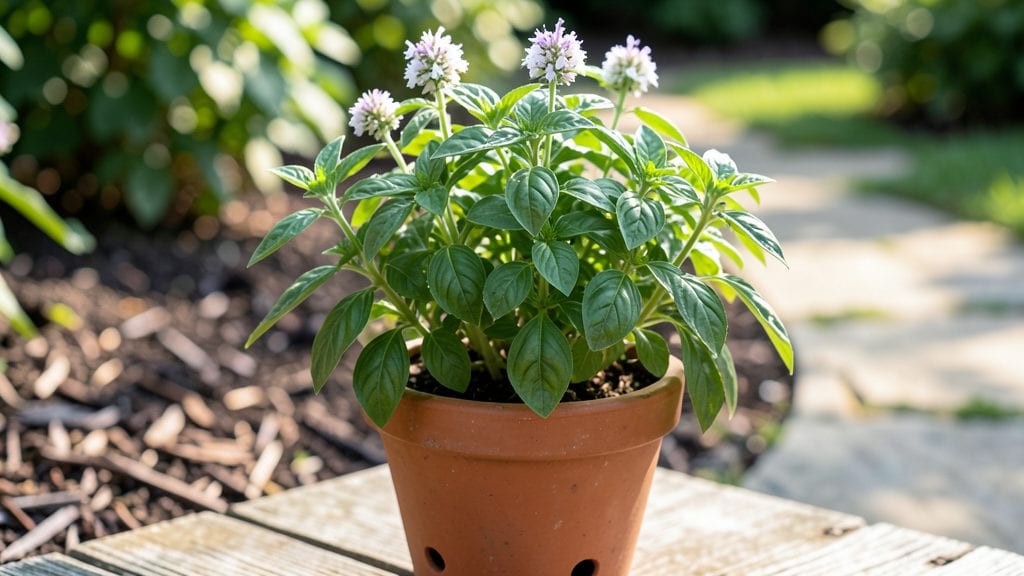
Herbs gardening is ideal for beginners because basil, mint, parsley, and chives thrive in partial sun and well-draining soil. These easy-care plants grow fast, repel pests naturally, and add bold flavors to almost any dish—making them perfect for small balconies, windowsills, or patio pots.
Starting with these herbs means you'll enjoy quick rewards—basil can be ready to harvest in just 6-8 weeks, while chives take about 3 months to mature. 🌱 The key to their success lies in their adaptability: they tolerate occasional drought better than many vegetables and even flourish in containers as small as 6-inch pots.
I’ve seen mint spread aggressively (which is why I grow it in separate containers!), while parsley’s slow growth makes it a reliable, long-term addition to any herb garden.
What really sets these herbs apart is their dual purpose—they not only enhance meals but also act as natural pest deterrents. For example, basil’s scent repels mosquitoes, while chives can keep aphids away from nearby plants.
This makes them a smart choice for gardeners who want both beauty and functionality without the fuss of high-maintenance crops.
💡 In This Article
- Why These Herbs Succeed for New Gardeners
- Step-by-Step Guide to Planting and Maintaining Herbs
Why these herbs succeed for new gardeners
These beginner-friendly herbs thrive because of their botanical resilience and adaptability to less-than-perfect growing conditions. Basil, for instance, belongs to the Lamiaceae family and grows on a fast 6-8 week cycle, making it one of the quickest herbs to harvest.
Its square stems and aromatic leaves contain eugenol, a compound that naturally deters pests like mosquitoes and flies—this is why you’ll often find it growing near doorways in Mediterranean regions.
Meanwhile, mint’s aggressive spreading habit comes from its rhizomatous root system, which allows it to establish quickly in moist soil, even in partial shade where many other plants struggle.
The key to their success lies in their minimal light requirements. While full sun (6+ hours/day) produces the most robust growth, these herbs tolerate 3-4 hours of morning sun—ideal for windowsills or shaded patios.
Parsley, for example, thrives in partial shade and actually bolts (goes to seed) faster in intense afternoon heat, making it perfect for cooler climates or indoor growing. Chives, with their hardy allium roots, can even survive light frosts, unlike many tender herbs that die back in 32°F temperatures.
This hardiness means you can extend your growing season by 2-3 weeks in spring or fall without extra protection.
What most gardeners don’t realize is how these herbs outperform traditional vegetables in soil flexibility. While tomatoes demand rich, 6.0-6.8 pH soil, these herbs grow in 5.5-7.0 pH ranges and tolerate sandy or rocky soil as long as it drains well.
Mint, in fact, prefers slightly acidic soil (5.0-6.0 pH) and can even grow in poorly drained areas where most plants would rot—though I recommend containers to control its spread!
Their shallow root systems also mean they need far less water than deep-rooted crops like carrots, reducing the risk of overwatering (a beginner’s most common mistake).
Here’s how their growth cycles compare to other plants:
- Basil: Ready to harvest in 6-8 weeks (vs. 12+ weeks for lettuce)
- Mint: Established in 4-6 weeks (vs. 8+ weeks for cilantro)
- Parsley: Slow but steady—harvestable in 8-10 weeks (vs. 10+ weeks for dill)
- Chives: First harvest in 3 months (vs. 4+ months for rosemary)
Their pest-repellent properties add another layer of advantage. Basil’s scent confuses whiteflies, while chives release allicin compounds that deter aphids—making them natural allies in your garden. Unlike vegetables that require pesticides, these herbs protect nearby plants while providing edible rewards.
For medicinal benefits, parsley contains apigenin, an antioxidant that supports digestion, while mint’s menthol soothes digestive discomfort. This dual functionality makes them far more rewarding than ornamental plants that offer no practical return.
What truly sets these herbs apart is their culinary versatility. Basil’s sweet, anise-like notes elevate pesto and tomato sauces, while mint’s bright flavor cuts through rich dishes like lamb or chocolate desserts.
Chives add a mild onion bite to potatoes or soups, and parsley’s slightly peppery taste brightens everything from salads to seafood. Unlike specialty herbs (like tarragon or thyme) that require precise growing conditions, these four deliver consistent flavor with minimal effort—making them the perfect gateway to homegrown seasoning.