
Planting
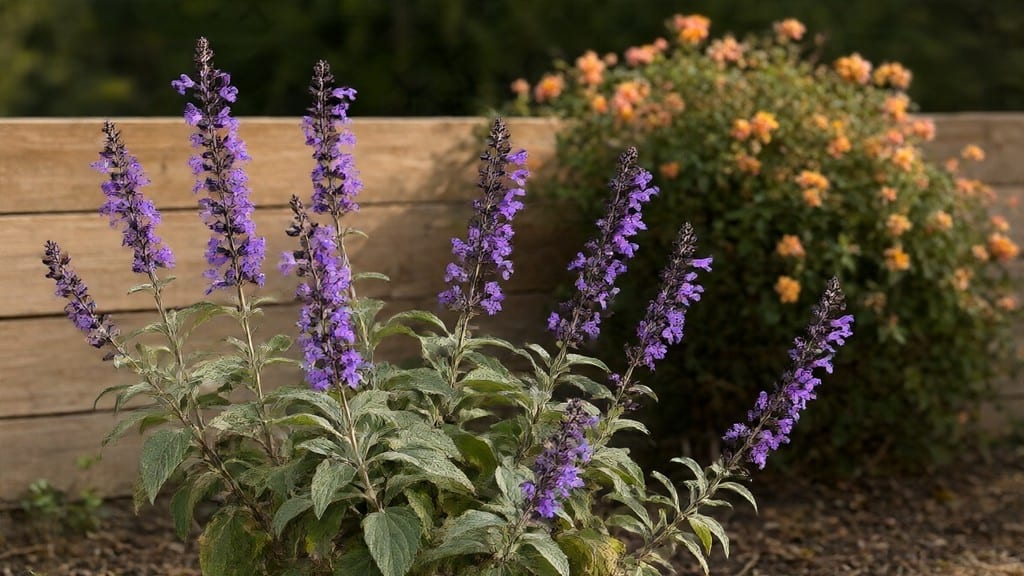
A Zone 9 gardening map covers regions with average minimum temperatures of 20-30°F, allowing year-round growth for citrus, bougainvillea, and palm trees while requiring winter protection for tender perennials like hibiscus. Check the USDA Plant Hardiness Zone Map for precise boundaries and microclimate adjustments.
Understanding your specific climate zone is key to unlocking the full potential of your garden. 🌿 In Zone 9, the mild winters and warm summers create ideal conditions for Mediterranean plants like rosemary and lavender, which thrive in these conditions.
I always recommend pairing native plants with drought-tolerant varieties to reduce water needs while keeping your landscape vibrant year-round.
What sets Zone 9 apart is its ability to support tropical plants that would freeze in colder regions. 🌴 However, even here, some plants like hibiscus need protection during rare cold snaps, so knowing your microclimate—like whether your yard sits in a heat pocket or near water—can make all the difference in plant success.
💡 In This Article
- How to Read and Use a Zone 9 Plant Hardiness Map
- Top Zone 9 Plants for Year-Round Landscaping and Harvests
How to read and use a Zone 9 plant hardiness map
The USDA Plant Hardiness Zone Map divides Zone 9 into two subcategories—9a (20-25°F) and 9b (25-30°F)—based on the average lowest winter temperatures over a 30-year period. This classification system helps gardeners predict which plants can survive winter's chill without protection.
For example, a 25°F freeze will kill tender plants like hibiscus, while hardy citrus like Meyer lemons can withstand 20°F with proper care. The key difference between these subzones is just 5°F, but that tiny margin determines which plants thrive or perish.
Microclimates add another layer of complexity to Zone 9 gardening. Urban areas can experience "heat islands" where pavement and buildings trap warmth, raising temperatures by 5-10°F compared to rural zones.
Meanwhile, slopes facing south or west receive 2-4 more hours of sunlight daily, creating pockets where tropical plants like bougainvillea flourish even in cooler microclimates. To identify your microclimate, observe where frost forms first in your yard—low spots and north-facing areas are typically 2-5°F colder than sunny, elevated locations.
Digital tools make zone identification easier than ever. The USDA's interactive Zone Finder uses your ZIP code to pinpoint your exact zone, while smartphone apps like Gardenate provide planting schedules tailored to Zone 9's 300+ frost-free days annually.
For precise data, weather stations like Davis Instruments track local temperature swings, helping you adjust planting times. What most gardeners overlook is how elevation affects zones—every 1,000 feet upward drops temperatures by 3.5°F, so mountain gardens in Zone 9 may behave like Zone 8.
Seasonal adjustments are critical in Zone 9. While winters rarely drop below 20°F, sudden cold snaps can occur, especially in inland areas. To protect tender plants, use frost cloths (which block 90% of radiant heat loss) or move potted plants to sheltered spots.
The science here involves thermal mass—dark-colored containers absorb heat during the day and release it slowly at night, creating a 5-10°F warmer microclimate around roots.
For long-term planning, track your local last frost date (typically March 15) and first frost date (usually November 15) to align planting with your climate's natural rhythm.
One common mistake is assuming all of Zone 9 is identical. Coastal areas like San Diego experience milder winters (35°F lows) due to ocean breezes, while inland Phoenix can see 20°F dips. This variation explains why some plants thrive in one Zone 9 location but struggle 100 miles away.
For example, olive trees (Zone 9 hardy) may need winter mulch in Phoenix but grow without protection in San Diego. Always verify plant tags for "Zone 9a-10a" labels—this tells you whether a plant needs extra winter care.
Pro tip: Use a thermometer to monitor your garden's temperature fluctuations. Place it in a shaded, elevated location (like a 5-foot pole) to avoid direct sunlight skewing readings.
Record nighttime lows for 3 years to identify patterns—this data will reveal if your microclimate is truly Zone 9 or behaves more like Zone 8 during cold snaps. 🌡️