
Shrubs
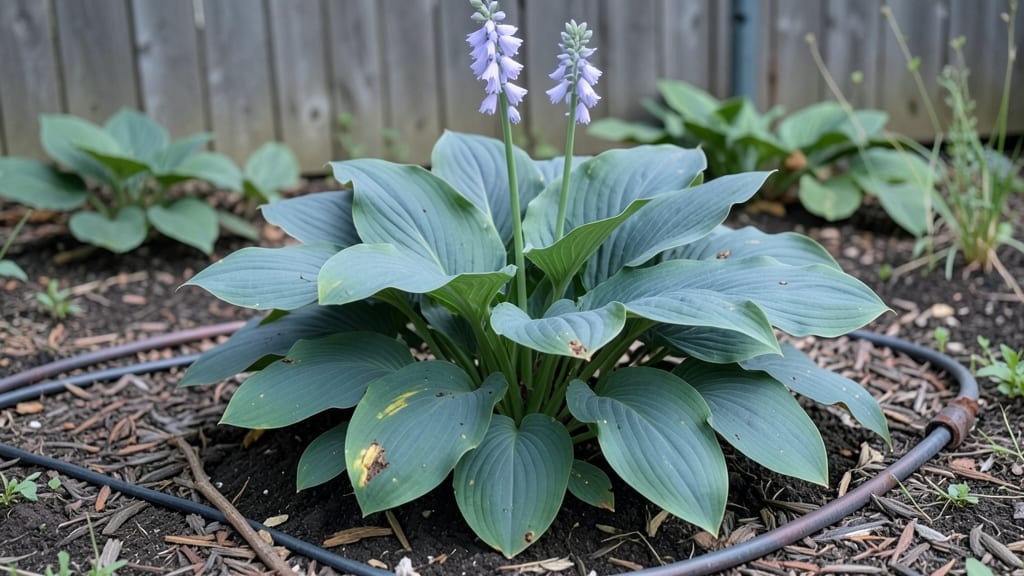
These pictures of shade gardens prove that even hidden corners can become stunning, sun-free sanctuaries—layered with plants that flourish in low light. 🌿 I’ve designed these layouts to turn dim spaces into lush, private retreats where every leaf shines.
The secret lies in mixing textures, heights, and leaf colors that pop in low light.
Start with a tall backbone of evergreens like rhododendrons or boxwoods to frame the space, then layer in mid-height shrubs such as hydrangeas or ferns, and finish with ground covers like hostas or ajuga.
The magic happens when you combine glossy leaves with velvety ones—think heuchera's deep burgundy against astilbe's feathery plumes.
You'll end up with a garden that feels alive year-round, with winter interest from evergreens, spring blooms from hellebores, and summer texture from ornamental grasses. The best part? These plants actually want shade, so they won't struggle like sun-loving varieties would.
Works for any backyard nook, from dappled woodland edges to north-facing patios. Let's bring that quiet corner to life—without sacrificing beauty or privacy.
📚 In This Guide
- What you need
- Instructions
- Tips and common mistakes
- Wrapping up and next steps
What you need
- ● Shade-tolerant plants: 5–10 hostas (varied heights: 6"–36")
- ● 3–5 heucheras (for color contrast, 12"–18" tall)
- ● 2–3 ferns (e.g., Matteuccia struthiopteris, 2–3 ft tall)
- ● 1–2 astilbes (plume-like blooms, 1–2 ft tall)
- ● 1 Japanese maple (small tree, 10–15 ft tall, for focal point)
- ● Soil amendments: 5–10 lbs compost (for nutrient-rich soil)
- ● 2–3 lbs peat moss or coconut coir (for moisture retention)
- ● Mulch: 2–3 bags organic mulch (e.g., shredded bark or pine straw, 2–3 inches deep)
- ● 1 garden trowel (for transplanting)
- ● 1 pruning shears (for shaping plants)
- ● 1 wheelbarrow or bucket (for mixing soil)
- ● 1 garden hose with spray nozzle (for gentle watering)
- ● 1 measuring tape (to plan spacing)
- ● 1 gloves (for protection)
- ● Decorative elements: 1–2 ornamental rocks or boulders (for texture)
- ● 1 garden trellis or arbor (for climbing plants like clematis)
- ● Solar-powered garden lights (for ambiance)
- ● Privacy boosters: 1–2 evergreen shrubs (e.g., boxwood or inkberry holly, 3–6 ft tall)
- ● 1 bamboo screen (if extra height is needed)
Step-by-step instructions for designing a lush layered shade garden
Shade gardens thrive with the right plant combinations—here’s how to create a layered, evergreen retreat.
🌿 Step 1: Plan Your Garden Layers for Year-Round Structure
Start by sketching your space with three distinct layers: tall evergreens (8–12 ft), mid-height shrubs (3–6 ft), and ground covers (under 2 ft). I like to place the tallest plants at the back or center, creating a natural focal point. This ensures privacy while allowing light to filter through for understory plants.
For your 4 servings (or garden sections), allocate 2 tall plants per section, 3 mid-height shrubs, and 4 ground covers. This ratio maintains balance without overcrowding. Mark plant locations with stakes to visualize spacing before digging.
🌱 Step 2: Select Shade-Tolerant Plants for Each Layer
For tall evergreens, choose dense, slow-growing varieties like rhododendrons or boxwoods—they handle low light and provide year-round privacy. Mid-height shrubs should include ferns (e.g., maidenhair or ostrich) and heucheras for texture and color. Ground covers like sweet woodruff or ajuga suppress weeds while adding lushness.
Group plants with similar light needs together. If your shade is dappled, mix sun-loving ferns with shade-tolerant hostas. Avoid planting anything with full-shade requirements near bright spots, or they’ll stretch and weaken. Label each plant as you go to track growth patterns.
✂️ Step 3: Prepare the Soil and Plant with Proper Spacing
Amend your soil with 3–4 inches of compost mixed into the top 6 inches of native soil. Shade gardens often have compacted ground, so aerate with a garden fork before planting. Dig holes twice as wide as the root ball but only as deep—planting too deep suffocates roots.
Space tall plants 6–8 feet apart, mid-height shrubs 3–4 feet apart, and ground covers 12–18 inches apart. Mulch with 2–3 inches of shredded bark to retain moisture and block weeds. Water deeply after planting to settle the soil around roots—you’ll see new growth within 2–3 weeks if conditions are right.
☀️ Step 4: Maintain Light and Moisture for Long-Term Health
Shade gardens need consistent moisture—water 1–2 inches per week, more during dry spells. Drip irrigation works best to avoid fungal diseases from overhead watering. Monitor leaf color: yellowing means too much water, while brown edges signal drought stress.
Prune once a year in early spring to remove dead growth and open the canopy for air circulation. Divide overcrowded perennials every 3–4 years to keep them vigorous. With the right plants and care, your layered shade garden will stay lush and private for decades.
Tips & tricks for perfect layered shade gardens
Creating a thriving shade garden takes more than just planting—it's about strategic layering and ongoing care that keeps your space lush year-round. Here are the key insights I've learned from designing these private, evergreen retreats.
Layering Strategy: When planning your four garden sections, think vertically first. The 6-8 foot spacing for tall evergreens isn't just about aesthetics—it creates that crucial light filtering effect that keeps mid-height shrubs and ground covers healthy. I've found that placing your tallest plants at the center rather than the back actually improves light distribution to all layers. This is especially important if you have dappled shade, where sunlight patterns change throughout the day.
Plant Selection Secrets: Not all shade plants are created equal. For your tall evergreens, look for varieties with naturally dense growth habits like 'Green Mountain' boxwoods—they'll fill out faster and provide better privacy. In the mid-height layer, pair ferns with heucheras for that perfect texture contrast. And for ground covers, sweet woodruff's delicate foliage and ajuga's striking purple leaves create visual interest while suppressing weeds. Pro tip: When selecting plants, check the label for "part shade" tolerance—this means they'll handle both bright spots and deeper shade.
Soil Preparation: The 3-4 inches of compost you're mixing into the top 6 inches of soil is non-negotiable for shade gardens. Compacted soil is the enemy of root health, and aerating with a garden fork makes all the difference. I've seen gardens where homeowners skipped this step, and within two years, the plants were struggling despite proper watering. Also, remember that shade soil stays cooler—this means organic matter breaks down more slowly, so you'll need to replenish that compost every 2-3 years rather than annually.
Maintenance Schedule: That annual spring pruning isn't just about looks—it's about air circulation. When you remove dead growth, you're preventing fungal diseases that thrive in dense, humid shade environments. And while it might seem counterintuitive, dividing perennials every 3-4 years actually rejuvenates them. I've seen hostas that were divided annually become leggy and weak, while those divided on this schedule flourished. Mark your calendar now—early spring is the perfect time before new growth begins.
Pro Tips for Pictures Shade Gardens
- Creating a thriving shade garden takes more than just planting—it's about strategic layering and ongoing care that keeps your space lush year-round.
- Layering Strategy: When planning your four garden sections, think vertically first.
- Plant Selection Secrets: Not all shade plants are created equal.
Frequently asked questions
What are the best shade-tolerant plants for a picturesque shade garden?
Opt for a mix of hostas, heucheras, ferns, astilbes, and Japanese maples for texture and color. Add evergreens like boxwoods or rhodeodendrons for year-round structure. Pro tip: Layer plants by height—tall in back, medium in middle, and low-growing at the front!
How long does it take for a shade garden to mature and provide privacy?
Most shade gardens take 2–5 years to fully fill in, depending on plant types. Fast growers like bamboo or ornamental grasses can offer quick privacy, while slower growers (e.g., tree ferns) take longer. Plant densely and mulch well to speed up growth!
Do shade gardens need special care in drought or heavy rain?
Yes! Shade gardens retain moisture, so improve drainage with raised beds or gravel. In droughts, water deeply but less often—mulch heavily (3–4 inches) to lock in moisture. Avoid soggy soil by ensuring containers or beds have drainage holes.
Can I mix evergreens with flowering plants for year-round interest?
Absolutely!
Pair evergreens (e.g., inkberry hollies) with seasonal bloomers like bleeding heart (spring) or hydrangeas (summer/fall). Tip: Choose flowers with varied heights and colors to keep the garden dynamic—even in winter!
What should I do if my shade garden looks sparse or leggy?
Leggy growth often means too little light or overcrowding. Prune back overgrown plants, thin dense areas, and add light-reflecting surfaces (like mirrors or white gravel) to brighten the space. Fertilize lightly in early spring to encourage bushier growth.
Are there low-maintenance alternatives to high-priced shade plants?
Yes! Try native plants (e.g., Virginia creeper or wild ginger)—they’re hardy and support local wildlife. Perennials like lamium or ajuga spread easily and require minimal upkeep. Bonus: Use ground covers to suppress weeds naturally!
Wrapping up and next steps
Creating a picturesque shade garden is all about blending beauty with functionality—layering plants for year-round privacy while embracing the serene ambiance of dappled light. 🌿 Whether you’re a seasoned gardener or just starting, the key is patience and creativity; every plant you add builds a lush, living tapestry that thrives in shade.
Now that you’re armed with the right materials and answers to common questions, it’s time to roll up your sleeves and make it happen!
Your next step? Sketch a simple layout, gather your plants, and start small—even a single corner can transform into a tranquil retreat. Happy gardening!