Vegetables
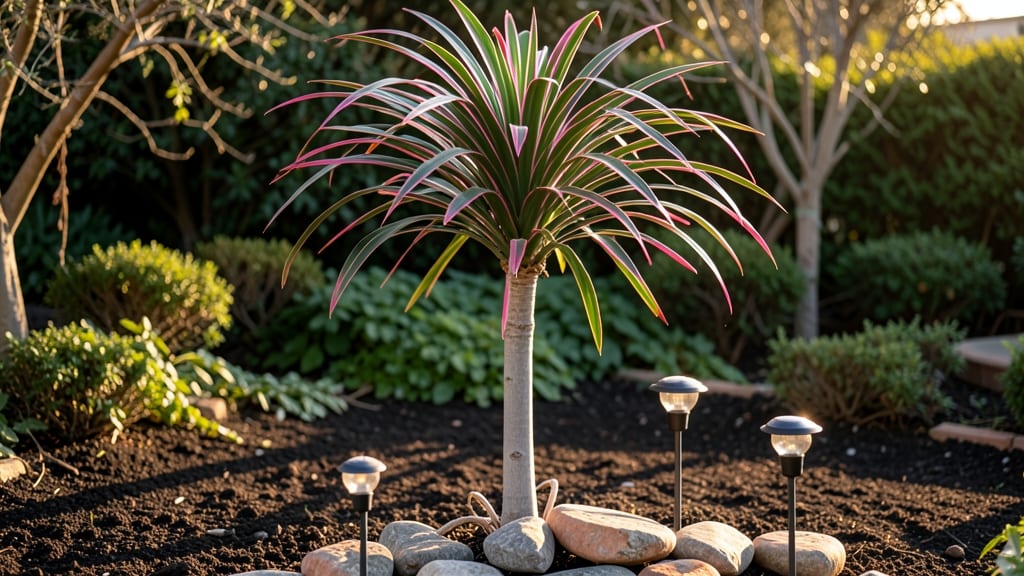
The Singapore Airport Gardens prove you don’t need acres to create a breathtaking green space—just bold vision and smart plant choices. Those towering Cloud Forest canopies and cascading vines aren’t just pretty; they’re a masterclass in turning concrete into life.
I’ve studied how they blend native tropical plants with drought-resistant species to maintain that lush look year-round, even in high-traffic areas.
The secret lies in layering: towering palms and ferns create the "canopy" effect, while ground covers like creeping fig and native grasses fill in the gaps without fuss. Most plants thrive on minimal water once established, and the design prioritizes airflow to reduce pests—no chemicals needed.
You’ll notice how the gardens use vertical space too, with climbing plants like hibiscus and bougainvillea softening hard edges.
What’s amazing is how these principles scale down. A small urban patio or community garden can borrow the same tricks: mix a few statement plants (like a dwarf banana tree) with trailing vines and shade-loving perennials.
The result? A space that feels wild and intentional, not just "planted." I’ll show you exactly which low-maintenance plants deliver that airport-garden vibe in any setting.
Here’s the best part: these concepts work for both private and public spaces. Whether you’re designing a backyard retreat or a city park plan, the same rules apply—just adjust the scale. Let’s break down how to steal their magic for your own green vision.
📚 In This Guide
- What you need
- Instructions
- Tips and common mistakes
- Wrapping up and next steps
What you need
- ● Native Singaporean plants (must-haves for authenticity!): 1-2 Dracaena marginata (Dragon Tree) – 3-5 ft tall
- ● 3-5 Ficus microcarpa (Curtain Fig) – 6-8 ft tall (for cascading effect)
- ● 2-3 Schefflera actinophylla (Umbrella Tree) – 4-6 ft tall
- ● 1 Syzygium malaccense (Malaccan Cherry) – 8-10 ft tall (if space allows)
- ● Support structures: 1-2 Galvanized metal trellises (6-8 ft tall, adjustable height)
- ● 3-5 Macramé hangers (for trailing plants like Pothos or String of Hearts)
- ● Soil & containers: 5-10 Self-watering planters (12-18" diameter, with drainage holes)
- ● 1 bag Well-draining potting mix (add perlite or orchid bark for aeration)
- ● 1 roll Landscape fabric (to suppress weeds under mulch)
- ● Required: 1 Pruning shears (sterilized)
- ● 1 Garden trowel (for planting)
- ● 1 Measuring tape (to plan spacing)
- ● 1 Spray bottle (for misting tropical plants)
- ○ Optional (but helpful!): 1 Drip irrigation kit (for hands-off watering)
- ● 2-3 LED grow lights (if indoors or low-light areas)
- ● 1 Mulch (pine bark or coconut coir for moisture retention)
- ● Decorative bamboo stakes or copper wire (for artistic plant training)
- ● ✅ Location: Partial shade to full sun (mimic Singapore’s humid climate with 60-80% humidity).
- ● ✅ Climate prep: If in a dry area, group plants together to create a microclimate.
- ● ✅ Permits: Check local rules if planting near buildings or sidewalks (some areas require approval for large trees!).
- ● ✅ Patience: Tropical plants take 3-6 months to fill out—plan for long-term growth!
How to design a year-round canopy garden like Singapore airport's
Transform any space into a vibrant, evergreen oasis with this layered approach inspired by Singapore's world-class airport gardens.
Plan Your Canopy Layers for Continuous Coverage
Start by grouping plants into three height tiers: tall trees (15-25 feet), mid-height shrubs (6-12 feet), and ground cover (1-3 feet). Singapore's gardens use a mix of native and drought-resistant species to ensure year-round foliage. For example, combine a rain tree as your canopy layer with bottlebrush shrubs beneath, then fill the base with creeping fig or world peace lilies. This creates a dense, multi-level green wall that blocks wind while maintaining airflow.
Sketch your space to visualize how each layer will cast shade on the next. The tallest plants should face north in the Northern Hemisphere (or south in the Southern Hemisphere) to prevent shading lower layers prematurely. I always mark sun paths on my sketch—this ensures every plant gets its required light without competition. Use a sunlight calculator or observe your space for 6-8 hours of direct light to place sun-lovers like bougainvillea in the brightest spots.
Select Drought-Tolerant, Fast-Growing Species
Singapore's humid climate demands plants that thrive with minimal water but maximum impact. Prioritize evergreen varieties like ficus microcarpa (for structure) and schefflera (for mid-height texture). I avoid seasonal bloomers—they create gaps when flowers fade. Instead, focus on plants with glossy leaves that reflect light year-round, like dracaena or aglaonema. These stay vibrant even in low-light conditions.
For ground cover, creeping jasmine or world peace lilies spread quickly to fill bare spots. These also suppress weeds naturally, reducing maintenance. If your space gets partial shade, pothos or philodendron add trailing interest without demanding constant care. Always check each plant's water needs—some, like snake plants, can go weeks without water, while others, like fittonia, need consistent moisture.
Install a Support System for Vertical Growth
To mimic Singapore's lush vertical gardens, incorporate trellises, arbors, or wire cages for climbing plants like bougainvillea or passionflower. I use galvanized steel frames for durability, especially in high-traffic areas. For smaller spaces, wall-mounted planters with built-in irrigation work wonders. These systems let you train vines upward, creating instant height and texture without taking up ground space.
If you're working with a blank wall, hydroponic planters or felt pockets let you attach plants directly to surfaces. Pre-drill holes for drainage—Singapore's gardens never sacrifice root health for aesthetics. For freestanding structures, bamboo poles or powder-coated metal grids provide sturdy support while blending naturally into the landscape. Always secure supports 6-12 inches deep into the ground or wall to prevent toppling in storms.
Layer Soil and Mulch for Moisture Retention
Singapore's gardens use a 3:1 ratio of topsoil to compost to feed plants while retaining moisture. Mix in orchid bark or coconut coir for aeration, especially in container gardens. I top-dress with 3-4 inches of organic mulch, like cedar chips or pine needles, to lock in humidity and deter weeds. This mimics the airport gardens' ability to thrive in high-traffic, low-maintenance zones.
For containers, use well-draining potting mix with perlite or vermiculite to prevent root rot. Water deeply once a week in dry climates, then every 3-4 days in humid conditions. Check soil moisture by sticking your finger 1 inch deep—if it's dry, water thoroughly until it drains from the bottom. Overwatering is the fastest way to kill a canopy garden, so always prioritize drainage over frequency.
Prune and Train for Shape and Health
Singapore's gardens maintain their pristine look with regular pruning, typically every 6-8 weeks. Trim overlapping branches first to improve airflow, then shape plants to fill gaps. For example, pinch back new growth on bougainvillea to encourage bushier blooms, while thinning out old stems on schefflera keeps it compact. Always use clean, sharp shears to avoid tearing leaves or spreading disease.
Train vines by tying them gently to supports with soft plant ties or jute twine. Avoid plastic ties—they can girdle stems as plants grow. I prune dead or crossing branches in early spring to stimulate new growth. For evergreens like ficus, a light trim in late summer prevents leggy growth. Never remove more than 25% of a plant's foliage at once, or you'll shock it into dormancy.
Tips & tricks for creating a year-round canopy garden
Creating a lush, evergreen canopy garden inspired by Singapore's airport requires attention to detail and strategic planning. Here are my best tips to help you achieve that vibrant, low-maintenance green space.
Layering Strategy: In Step 1, when planning your three height tiers, I recommend starting with the tallest plants first—this prevents overcrowding as they mature. For example, place your rain tree in the center of your space, then arrange bottlebrush shrubs around it, leaving room for creeping fig or world peace lilies to fill the base. This creates natural airflow between layers, which is crucial for preventing disease in humid climates. I've found that spacing the tallest plants about 8-10 feet apart gives them room to grow while still providing shade for lower layers.
Sunlight Mapping: The 6-8 hours of direct light mentioned in Step 1 is a great guideline, but I've learned to go a step further by creating a simple shadow map of your space. Use a flashlight to trace the sun's path across your area at different times of day—this helps you visualize how sunlight shifts throughout the day. Place sun-loving plants like bougainvillea in the areas that receive the most consistent light, while shade-tolerant varieties like pothos can go in the spots that get partial shade. This precision placement prevents competition and ensures every plant thrives.
Soil Preparation: For Step 4, when mixing your soil, I can't emphasize enough how important the 3:1 ratio of topsoil to compost is. But here's what nobody tells you—always pre-moisten your compost before mixing. Dry compost clumps together and creates air pockets that prevent proper root development. I also recommend adding a handful of worm castings to your mix for an extra nutrient boost. This small step makes a huge difference in how quickly your plants establish themselves, especially in container gardens where root space is limited.
Maintenance Schedule: The regular pruning mentioned in Step 5 is absolutely essential, but timing matters just as much as frequency. I've found that pruning just after a rain shower keeps the plants hydrated and reduces stress on the foliage. Also, always prune in the early morning—this gives plants time to recover before the heat of the day. For evergreens like ficus, I do a light trim every 10-12 weeks instead of waiting for the full 6-8 week cycle, which helps maintain their shape without shocking the plant.
Pro Tips for Singapore Airport Gardens
- Creating a lush, evergreen canopy garden inspired by Singapore's airport requires attention to detail and strategic planning.
- Layering Strategy: In Step 1, when planning your three height tiers, I recommend starting with the tallest plants first—this prevents overcrowding as they mature.
- Sunlight Mapping: The 6-8 hours of direct light mentioned in Step 1 is a great guideline, but I've learned to go a step further by creating a simple shadow map of your space.
Frequently asked questions
about Singapore Airport Gardens’ lush canopy design and year-round greeneryWhat types of plants are used in Singapore Airport Gardens to ensure year-round greenery?
Singapore Airport Gardens feature a mix of hardy tropical plants, including dwarf palm varieties, ferns, and ornamental grasses, along with native Singaporean species like the Bauhinia purpurea (orchid tree) and Ixora bushes. These are paired with low-maintenance ground covers to create a dense, evergreen canopy. Climate-resistant succulents and epiphytes are also used to thrive in the airport’s humid, high-traffic environment.
How often do the gardens need maintenance to stay lush?
The gardens require weekly pruning and trimming to maintain their shape and density, with monthly deep cleaning to remove debris and pests. Seasonal adjustments (like fertilizing or repotting) happen every 3–6 months, depending on plant growth. Automated irrigation systems reduce manual watering needs, but manual checks ensure no overwatering or drought stress occurs.
Are there any restrictions on the types of plants I can use for a similar airport garden project?
Yes! For airport gardens, avoid plants with sharp thorns, toxic sap, or strong allergens (e.g., poison ivy, some citrus varieties). Opt for non-invasive, non-seeding plants that won’t spread uncontrollably. Check local regulations—Singapore’s National Parks Board (NParks) may require approval for large-scale projects. Fire-resistant plants are also recommended for safety.
How do the gardens handle Singapore’s heavy rainfall and humidity?
The design includes elevated planters with drainage holes and sand-based soil mixes to prevent waterlogging. Shade structures protect delicate foliage from direct downpours, while fungus-resistant mulch (like pine bark) keeps roots dry. Dehumidifiers in enclosed areas reduce mold risk, and regular aeration prevents soil compaction from frequent rain.
Can I replicate this design in a small urban space, like a rooftop or balcony?
Scale down with vertical planters, hanging baskets, and dwarf varieties of tropical plants. Use self-watering systems for convenience, and choose lightweight, modular containers for rooftops. Mirror or reflective surfaces can create an illusion of depth, while LED grow lights extend greenery to shaded areas. Start with 5–10 plants and expand as you gain experience!
Wrapping up and next steps
Transforming Singapore’s bustling airport into a year-round oasis of greenery proves that sustainability and innovation can thrive together. 🌿 From drought-resistant plants to smart irrigation, these gardens offer a blueprint for urban spaces to embrace nature without compromise.
Whether you're a gardener, designer, or eco-conscious traveler, the lessons here inspire action—why not start small? Plant a native species in your own space, advocate for green infrastructure in your community, or simply take a moment to appreciate how thoughtful design can turn concrete jungles into flourishing ecosystems.
Your next step? Explore local botanical gardens or urban farming initiatives for hands-on inspiration. The future of green spaces is just a seed away! 🌱