
Container Gardens
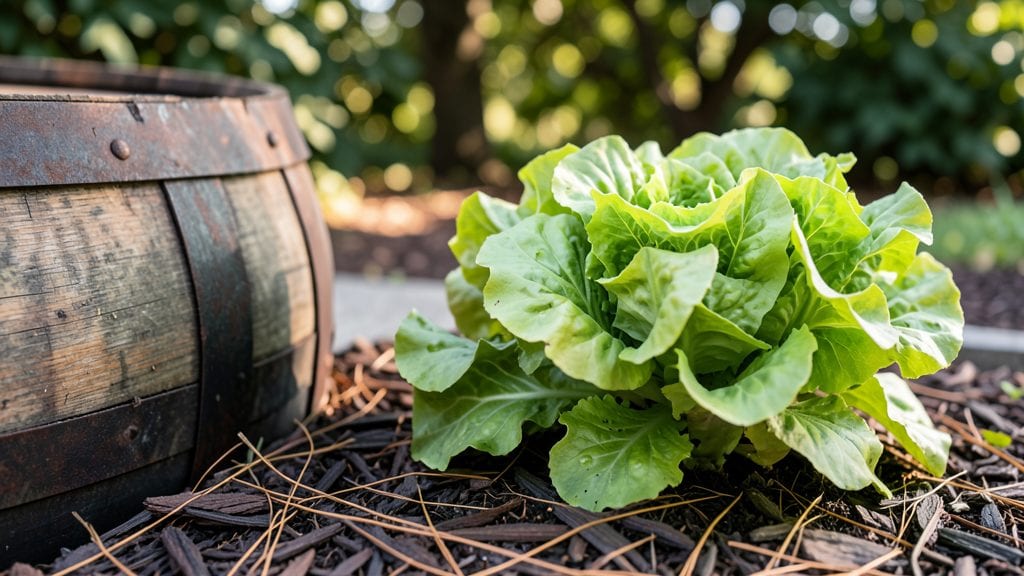
A wine barrel garden turns old barrels into stunning, space-saving planters that scream rustic charm while keeping greenery thriving year-round. I still remember the first time I saw one—those charred oak staves and weathered curves made my urban patio feel like a countryside retreat instantly.
The best part? You don’t need a green thumb to make it work. These barrels hold soil better than most containers, regulate moisture like a pro, and their height keeps roots cozy while lifting plants into view.
Start with a clean, food-safe barrel (or a repurposed one you’ve scrubbed thoroughly) and drill drainage holes at the bottom—¼-inch holes spaced every 4 inches do the trick.
Fill it with a mix of potting soil and compost (equal parts), then add plants that love containers: herbs like rosemary or thyme, trailing ivy for drama, or even dwarf citrus trees if you live in a warm climate.
The barrel’s shape lets roots spread naturally, so you won’t have to replant every season.
By summer, your barrel will be bursting with lush, fragrant foliage that draws neighbors to admire your creative touch. The rustic aesthetic works anywhere—a balcony, a backyard corner, or even indoors near a sunny window.
Plus, it’s a sustainable project that gives new life to something many would toss. Ready to turn a barrel into your next garden star? Let’s get started with the basics.
Pro tip: For indoor barrels, choose plants that tolerate lower light, like snake plants or pothos. Outdoor barrels can handle bold choices like succulents or small shrubs. Either way, the charm is in the details—just add a few solar lights or a weathered sign for extra flair.
Your garden just got a whole lot more interesting.
📚 In This Guide
- What you need
- Instructions
- Tips and common mistakes
- Wrapping up and next steps
What you need
- ● Wine barrels: 1–3 (preferably food-grade, 50–60 gallons each; check for cleanliness and no wine residue).
- ● Drill: 1 (with a 1–2" hole saw bit for drainage holes).
- ● Screwdriver or wrench: 1 (for securing barrel lids or handles).
- ● Potting soil: 1–2 bags (high-quality, well-draining mix; ~20–30 lbs per barrel).
- ● Landscape fabric or burlap: 1 roll (to line the barrel and prevent soil loss).
- ● Drainage material: 1 bag (gravel or coarse sand, ~5 lbs).
- ● Plants: 3–5 (choose compact varieties like herbs, succulents, or small shrubs; verify they’re suitable for container gardening).
- ● Watering can or hose: 1 (with a gentle spray nozzle).
- ● Barrel feet or casters: 1–2 sets (to elevate barrels and improve mobility).
- ● Paint or stain: 1 can (for a rustic or modern finish; use non-toxic, weather-resistant options).
- ● Barrel handles or hooks: 1–2 (for easy lifting or hanging herbs).
- ● Mulch: 1 bag (to retain moisture and suppress weeds).
- ● Plant markers: 1 pack (to label your greens with style!).
Step-by-Step instructions for creating a wine barrel garden
Transforming a wine barrel into a lush garden adds rustic charm while maximizing small spaces.
Prepare the Wine Barrel for Planting
Start by thoroughly cleaning the wine barrel with warm, soapy water to remove any residue. Scrub the interior and exterior with a stiff brush, paying special attention to the staves and bottom. Rinse it well and let it dry completely in the sun for at least 24 hours. This ensures no mold or bacteria will harm your plants later.
Once dry, inspect the barrel for any cracks or weak spots. If you find any, seal them with waterproof wood glue or silicone sealant designed for outdoor use. Let the sealant cure fully before proceeding. I like to sand the edges lightly to prevent splinters, especially if this garden will be in a high-traffic area.
Drill Drainage Holes and Add a Liner
Using a 1-inch hole saw, drill drainage holes along the bottom of the barrel, spacing them about 6 inches apart. These holes are critical—they prevent waterlogging, which can rot roots and kill plants. Place the barrel on a sturdy surface or upside down while drilling to make this easier.
Line the interior of the barrel with a heavy-duty landscape fabric to prevent soil from washing out through the drainage holes. Secure the fabric with staples or small nails along the edges, ensuring it covers the entire bottom and sides. This step keeps your soil in place while still allowing excess water to escape.
Fill With Soil and Plant Your Greenery
Fill the barrel about 2/3 full with a well-draining potting mix—avoid garden soil, as it compacts too easily. For a 4-barrel garden, you’ll need roughly 2 cubic feet of mix per barrel. Mix in a slow-release fertilizer to give your plants a nutrient boost right from the start.
Arrange your plants according to their mature size, placing taller varieties in the center and trailing plants along the edges. For a year-round garden, I recommend a mix of evergreens like boxwood or heuchera, along with seasonal bloomers like petunias or ferns. Water the soil gently after planting to help settle the roots.
Position and Maintain Your Barrel Garden
Place your wine barrel garden in a location that gets at least 6 hours of sunlight daily, unless you’re planting shade-tolerant varieties. Elevate the barrel slightly using bricks or cinder blocks to improve drainage and prevent water from pooling around the base. This also makes it easier to access plants from the sides.
Water deeply 2-3 times per week, checking the soil moisture by sticking your finger about 1 inch down. If it feels dry, it’s time to water. Mulch the top of the soil with 2-3 inches of shredded bark to retain moisture and suppress weeds. Fertilize every 4-6 weeks during the growing season to keep your plants thriving.
Tips & tricks for perfect wine barrel gardens
Creating a wine barrel garden is all about balancing preparation with natural growth—here's how to avoid common pitfalls and elevate your project.
Drying Time Matters: The 24-hour sun drying in Step 1 is non-negotiable for preventing mold. I've learned this the hard way—rushing this step can lead to bacterial growth that harms your plants. Place the barrel in direct sunlight and check periodically to ensure complete dryness before sealing any cracks.
Drainage Strategy: When drilling those 6-inch spaced holes in Step 2, consider adding a layer of small rocks or gravel at the bottom before the landscape fabric. This creates an extra drainage layer that prevents soil from clogging the holes over time, which is especially important for heavy rain seasons.
Soil Depth Insight: The 2/3 full measurement in Step 3 is perfect for most plants, but if you're using particularly deep-rooted varieties like lavender, you might want to fill the barrel completely. Just be prepared to water more frequently, as the soil will dry out faster in a fully filled barrel.
Sunlight Positioning: For the 6 hours of sunlight requirement in Step 4, consider your barrel's orientation. South-facing positions in the Northern Hemisphere get the most consistent light, but east-facing barrels can be ideal for shade-tolerant plants that prefer morning sun. Rotate your barrel occasionally for even growth if needed.
Pro Tips for Wine Barrel Garden
- Creating a wine barrel garden is all about balancing preparation with natural growth—here's how to avoid common pitfalls and elevate your project.
- Drying Time Matters: The 24-hour sun drying in Step 1 is non-negotiable for preventing mold.
- Drainage Strategy: When drilling those 6-inch spaced holes in Step 2, consider adding a layer of small rocks or gravel at the bottom before the landscape fabric.
Frequently asked questions
Got questions about transforming a wine barrel into a lush garden?
Here are answers to the most common ones—so you can dive in with confidence!
Can I use any wine barrel for a garden?
Avoid barrels that once held sweet wines (like Riesling or Moscato) since residual sugars can harm plants. Opt for neutral barrels (like those used for reds) or clean, food-grade barrels. If unsure, scrub thoroughly with a vinegar-water mix (1:3 ratio) to remove traces.
How long does it take for plants to grow in a wine barrel?
Timing depends on the plant! Fast growers (like herbs or lettuce) may show greenery in 2–4 weeks, while woody plants (e.g., rosemary or lavender) take 3–6 months to mature. Succulents and cacti thrive quickly but need full sun—place them near the barrel’s top for optimal light.
Do I need special soil for a wine barrel garden?
Nope! Use a well-draining potting mix (avoid garden soil—it compacts). For extra drainage, add perlite or coarse sand (20% of the mix). Pro tip: If your barrel has drainage holes, line the bottom with landscape fabric to prevent clogging.
How do I protect my wine barrel garden in winter?
Move barrels to a covered porch or garage if temps drop below 20°F (-7°C). For hardy plants (like rosemary or thyme), wrap the barrel in burlap and mulch the soil with straw. Tender plants? Dig them up and pot them individually for indoor overwintering.
What if my plants look sick or wilted?
Check for overwatering (barrels drain poorly without holes) or underwatering (succulents need less). Yellow leaves? Likely overwatering—let soil dry between waterings. Brown edges? Could be sunburn (move to partial shade) or salt buildup (flush soil with water).
Still stumped? Snap a photo and tag us—we’re happy to help troubleshoot!
Wrapping up and next steps
A wine barrel garden is more than just a creative upcycling project—it’s a charming, space-efficient way to bring greenery into your home year-round! With just a few repurposed barrels, some soil, and a little love, you’ve got a stylish planter that doubles as a conversation starter.
Whether you’re a seasoned gardener or a beginner, this project proves that sustainability and beauty go hand in hand.
Ready to take the next step? Start small—pick one barrel, plant your favorite herbs or flowers, and watch your garden grow! 🌱 For even more inspiration, explore DIY container garden ideas or share your progress with the gardening community. Happy planting!