
Pests
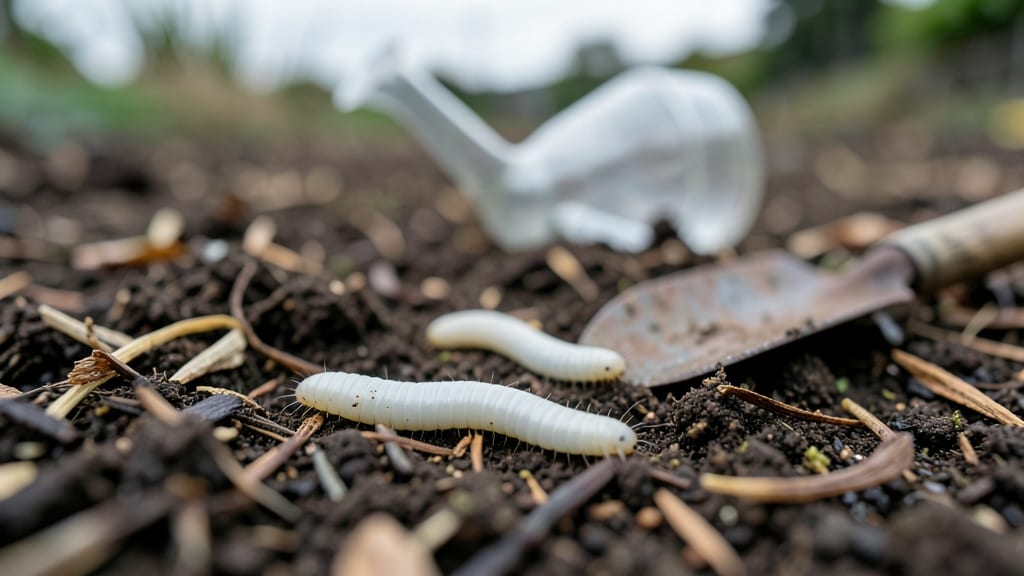
Finding white worms squirming in your garden soil isn’t just unsettling—it’s a sign your plants might be under siege. 🌱 I’ve wrestled with cutworms, grubs, and wireworms, and I’ll show you how to handle them without harsh chemicals that harm your soil (and your conscience).
The good news? These pests usually mean your soil is rich and moist—exactly what healthy plants need. The bad news? Left unchecked, they’ll chew through roots, stems, and seedlings overnight. But before you reach for sprays, try these targeted, eco-friendly methods that actually work.
You’ll learn to spot the difference between harmless soil-dwellers and destructive larvae, then use simple traps, barriers, and natural predators to reclaim your garden. No more digging up dead plants or wondering why your tomatoes keep wilting before harvest.
Whether you’re dealing with a small infestation or a full-blown worm war, these steps scale from balcony pots to backyard beds. Let’s get your garden back—and keep it thriving without the chemical cleanup.
Root Causes Of Tiny Invaders
Discovering white worms wriggling in your garden soil can feel like an unwelcome surprise—but understanding why they’re there is the first step to managing them effectively. These tiny creatures, often mistaken for pests, are usually harmless (or even beneficial) and thrive due to specific conditions in your garden.
Below, we break down the most common reasons they appear, backed by science and actionable insights.
White worms—such as enchytraeids (a type of aquatic worm) or larvae of fungus gnats—flourish in damp environments. If your garden retains too much moisture, these worms seek refuge in the topsoil where oxygen is still available. Here’s why it happens:
- Poor drainage: Clay-heavy or compacted soil traps water, creating anaerobic zones where worms thrive. Without proper aeration, organic matter breaks down slowly, releasing gases that attract moisture-loving pests.
- Overwatering: While plants need hydration, excessive watering (especially without mulch) saturates the soil, mimicking a swampy ecosystem. Fungus gnat larvae, for example, require consistently wet conditions to survive.
- Shady or low-lying areas: Gardens with minimal sunlight or poor airflow dry out more slowly. These spots become hotspots for white worm activity.
💡 Pro Tip: Test your soil’s moisture by squeezing a handful—if it stays clumped, it’s too wet. Amend with perlite or coarse sand to improve drainage, and water deeply but infrequently to encourage root growth over surface moisture.
White worms are often drawn to decomposing plant material because it’s a buffet of nutrients. If your garden has:
- Fresh compost or mulch: Partially decomposed organic matter (like grass clippings, leaves, or fruit scraps) creates the perfect breeding ground. Enchytraeids, for instance, feed on microbial films that form on decaying matter.
- Old plant debris: Dead roots, fallen leaves, or rotting wood provide shelter and food. Some white worms, like cutworm larvae, burrow into this debris to pupate.
- Over-fertilized areas: Excess nitrogen (from synthetic fertilizers or manure) can accelerate decomposition, creating a temporary boom in microbial activity—and the worms that feed on it.
🔥 Action Step: Turn over fresh compost piles to speed up decomposition (heat kills many larvae). For mulch, use wood chips or straw (which break down slower) and keep them 3–4 inches away from plant stems to reduce moisture retention.
Not all white worms are harmful! Many are earthworms or their larvae, which aerate soil and improve fertility. However, others—like cutworms, wireworms, or fungus gnat larvae—can damage plants. Here’s how to tell them apart:
| Feature | Harmless (Earthworms/Larvae) | Potential Pests |
|---|---|---|
| Appearance | Segmented, smooth bodies; may have a darker head (earthworm larvae). | Thin, hair-like (fungus gnat larvae), stubby (cutworm), or hard-bodied (wireworms). |
| Behavior | Burrow into soil; surface at night to feed on decaying matter. | Feed on living plants (cutworms sever stems), or larvae tunnel into roots (wireworms). |
| Location | Deep in soil (1–2 inches down) or under mulch. | Topsoil, near plant collars, or inside rotting wood. |
🎯 Key Takeaway: If you’re seeing chewed leaves, wilting seedlings, or hollow stems, the worms are likely pests. If your soil is loose and dark with no visible damage, they’re probably beneficial. See our ID guide for visuals.
White worms are cold-blooded, meaning their activity spikes when temperatures rise. Here’s the science:
- Spring and fall: As soil warms (50–70°F), dormant larvae hatch. Fungus gnats, for example, lay eggs in moist soil that germinate within 3–7 days in ideal conditions.
- Microclimates: Greenhouses, potted plants, or south-facing gardens heat up faster, creating pockets where pests thrive year-round.
- Nighttime emergence: Many larvae (like cutworms) become active after dark to avoid predators, which is why you might spot them at dawn.
✨ Prevention Hack: Use row covers in early spring to block adult fungus gnats from laying eggs. For potted plants, let the top inch of soil dry out between waterings to disrupt their life cycle.
By addressing these root causes—drainage, organic matter, identification, and temperature—you can reduce white worm populations without resorting to chemicals. Next, we’ll explore safe, DIY methods to relocate or deter them.
Quick Fixes for Garden Worms
If you’ve spotted white worms wriggling in your garden soil, don’t panic—there are humane, chemical-free ways to address the issue. The key is identifying the cause and applying the right solution.
Below, we’ll break down practical fixes based on the most common triggers, from overwatering to poor soil health, and include prevention tips to keep your garden thriving.
If your garden soil is soggy or waterlogged, white worms (like enchytraeids or nematodes) may thrive in the damp conditions. These critters aren’t harmful to plants but can signal underlying drainage issues.
How to Fix It:
- 🔪 Improve Drainage: Amend heavy clay soil with compost or organic matter (like peat moss or coconut coir) to loosen it. For raised beds, ensure they have drainage holes.
- 💧 Adjust Watering Habits: Water deeply but less frequently—aim for 1 inch per week (including rainfall). Use drip irrigation or soaker hoses to avoid oversaturating the soil.
- 🌱 Raise Plant Beds: If drainage is chronically poor, consider building slightly elevated beds to prevent water pooling.
Prevention Tip: 💡 Test your soil’s moisture level by sticking your finger 2 inches deep—if it’s damp, hold off on watering. Mulch with straw or wood chips to regulate moisture.
White worms often appear when soil lacks nitrogen or organic matter, making it a buffet for these tiny decomposers. While they’re not pests, their presence can indicate soil health needs attention.
How to Fix It:
- 👨🍳 Add Organic Amendments: Mix in well-rotted compost, worm castings, or aged manure to boost nutrients. Aim for a 2-3 inch layer worked into the top 6 inches of soil.
- 🥘 Use Cover Crops: Plant nitrogen-fixing cover crops like clover or vetch in the off-season. Till them into the soil before planting to enrich it naturally.
- 🌿 Balance pH Levels: Test your soil’s pH (ideal for most gardens: 6.0–7.0). If it’s too acidic, add lime; if alkaline, use sulfur or peat moss.
Prevention Tip: ✨ Rotate crops annually to prevent nutrient depletion and maintain soil vitality.
White worms (especially grubs or cutworms) may indicate larger pest problems, like fungal infections or root-feeding insects. If plants look stressed, take action fast.
How to Fix It:
- 🌡️ Encourage Beneficial Predators: Introduce nematodes (like Steinernema carpocapsae) or beneficial insects such as ground beetles to target harmful larvae.
- 🎯 Remove Infested Plant Debris: Clear away dead leaves, mulch, or diseased plants where pests may hide. Compost only healthy organic matter.
- 🍎 Use Physical Barriers: For seedlings, wrap stems in cardboard collars to deter cutworms. Handpick larger grubs at night when they’re sluggish.
Prevention Tip: 💡 Plant marigolds or garlic around vulnerable plants—their strong scents repel many soil-dwelling pests.
Excessive mulch or decaying wood can create a haven for white worms, especially if it’s too thick or not properly aerated.
How to Fix It:
- ⏰ Thin Out Mulch: Reduce mulch layers to 2–3 inches and fluff it periodically to improve airflow. Avoid piling mulch directly against plant stems.
- 🔄 Replace Old Mulch: If mulch is decomposing into a thick, wet layer, remove and replace it with fresh, dry options like shredded bark or straw.
- 🌿 Aerate Compacted Soil: Use a garden fork to poke holes in heavily mulched areas to allow water and oxygen to penetrate.
Prevention Tip: 🌡️ Monitor mulch moisture—if it feels damp or moldy, it’s time to refresh it.
Final Note: Most white worms are harmless and even beneficial, breaking down organic matter. Only intervene if they’re causing visible damage or signaling bigger soil issues. With these fixes, your garden will stay healthy—and worm-free in the right sense!
Frequently asked questions
Are all white worms in my garden harmful to plants?
Not at all! Many white worms are actually beneficial. Earthworms and their larvae help aerate soil and break down organic matter. The harmful ones—like cutworms, grubs, or fungus gnat larvae—target living plants. Look for signs like chewed stems or wilting seedlings to identify pests.
How can I tell if white worms are damaging my garden?
Check for visible damage first. Harmful white worms often leave behind severed stems (cutworms), hollow roots (wireworms), or yellowing leaves (fungus gnat larvae). If your soil is healthy and plants appear strong, the worms are likely harmless decomposers.
What’s the fastest way to get rid of white worms without chemicals?
For pests, try these quick fixes: Handpick them at night (they’re sluggish), use cardboard collars around seedlings, or introduce beneficial nematodes. For harmless worms, improve drainage and reduce excess mulch to discourage their overpopulation.
Can white worms survive in potted plants?
Yes, especially if your pots stay too moist. Fungus gnat larvae thrive in damp potting mix. Let the top inch of soil dry between waterings, and use sand or perlite to improve drainage. For severe infestations, repot with fresh, sterile soil.
Will birds or other wildlife eat white worms in my garden?
Birds like robins and sparrows love hunting for grubs and cutworms. To attract them, leave some bare soil patches and avoid pesticides. Ground beetles and toads also feast on these pests—just ensure your garden has hiding spots for these natural predators.