
Tools
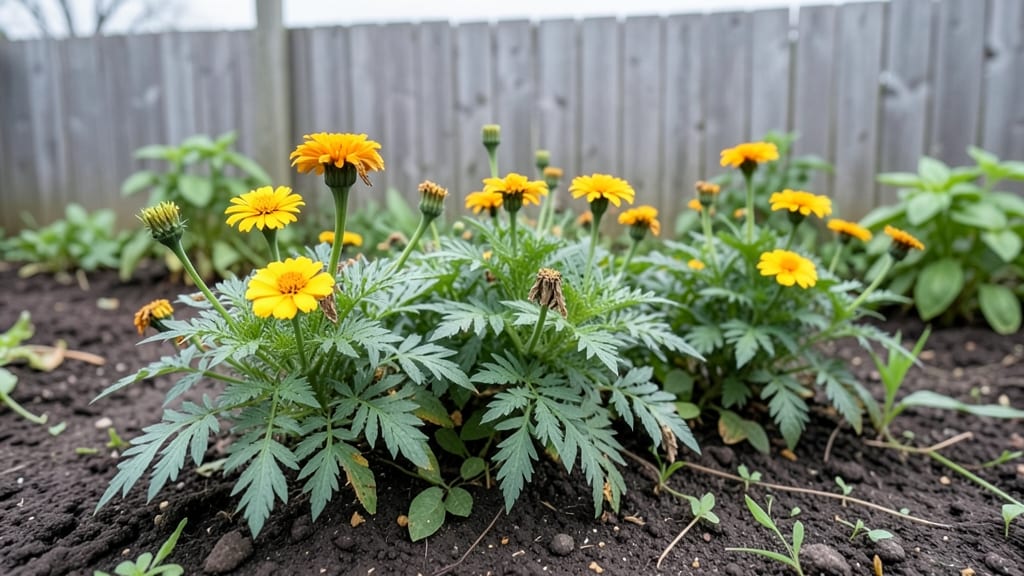
Planting marigolds around your garden isn’t just a pretty border—it’s a year-round pest-repelling fortress that actually works. 🌻 I’ve seen firsthand how these bright orange and yellow blooms keep aphids, nematodes, and even rabbits at bay while adding a pop of color that lasts from spring until frost.
The secret lies in their strong scent and natural compounds that pests simply can’t stand, making them the unsung hero of garden borders.
You don’t need a green thumb to make this work—just a little planning. Space them 12-18 inches apart in well-draining soil, and mix in a few varieties like French or African marigolds for extra pest protection.
They thrive in full sun and even improve soil health as they grow, so you’re getting double the benefit. The best part? They’re disease-resistant and bloom nonstop, giving you low-maintenance beauty with high impact.
Imagine walking past your garden and smelling that fresh, citrusy marigold scent—it’s like a natural air freshener for your plants. These borders also attract pollinators like bees and butterflies, turning your garden into a thriving ecosystem.
By the end of the season, you’ll wonder how you ever grew without them. Let’s get those borders planted and keep pests out for good!
Works in any garden size, from small urban plots to sprawling backyard landscapes. Whether you’re dealing with pests, rabbits, or just want a vibrant edge, marigolds are the foolproof solution. Here’s how to make them look and perform their best all season long.
Root Causes of Marigold Struggles
Marigolds are the unsung heroes of pest control, but even these hardy plants can face challenges when planted around gardens. Understanding why marigolds struggle—whether they wilt, fail to bloom, or attract pests despite their reputation—helps gardeners take targeted action.
Below are the most common reasons, backed by science, and how to address them before they derail your garden’s defenses.
Marigolds thrive in well-draining soil with a slightly acidic to neutral pH (6.0–7.5). If your garden beds are compacted, waterlogged, or nutrient-poor, these bright flowers will signal distress with yellowing leaves, stunted stems, or sparse blooms.
- Compacted Soil: Heavy clay or foot traffic can crush soil particles, reducing oxygen flow to roots. Marigolds, like most plants, suffocate in anaerobic conditions, leading to root rot or poor nutrient uptake.
- Nutrient Deficiencies: Marigolds are light feeders but still need phosphorus (for blooms) and potassium (for disease resistance). A soil test revealing low organic matter or micronutrients (like magnesium or zinc) can leave them weak and pest-prone.
- Waterlogging: Overly wet soil cuts off oxygen, causing roots to rot. This invites fungal pathogens like Phytophthora, which marigolds are surprisingly susceptible to once stressed.
💡 Pro Tip: Amend soil with compost or aged manure before planting. For heavy clay, mix in perlite or coarse sand to improve drainage. A 2-inch layer of mulch (like straw) retains moisture while preventing soil-borne diseases.
Marigolds are sun-lovers, but extreme heat, cold snaps, or improper watering can turn them into easy targets for pests and diseases. Their natural pest-repelling compounds (like α-terthienyl) weaken under stress, making them less effective—and more vulnerable.
- Inconsistent Watering: Drought stress triggers marigolds to produce smaller, fewer flowers and thicker, tastier foliage—just what aphids and spider mites crave. Conversely, overhead watering can splash soil pathogens onto leaves, causing powdery mildew.
- Heatwave Damage: Temperatures above 90°F (32°C) can scorch marigold leaves, reducing their ability to photosynthesize. This slows growth and weakens their natural pest-deterrent properties.
- Late Frost or Early Freeze: Young marigold seedlings are frost-sensitive. Cold damage disrupts cell membranes, making plants more susceptible to fungal infections like Alternaria leaf spot.
🌡️ Actionable Fix:
- Water deeply at the base (1–1.5 inches per week) and avoid wetting leaves.
- Use shade cloth (30–50%) during heatwaves to protect seedlings.
- Plant marigolds after the last frost date in your zone (typically mid-spring). For year-round borders, opt for Tagetes erecta varieties, which tolerate cooler temps better than Tagetes patula.
Marigolds repel pests like nematodes, rabbits, and even mosquitoes—but not all bugs hate them. If marigolds are attracting pests instead of repelling them, the issue likely stems from overcrowding, incorrect varieties, or neighboring plants that mask their scent.
- Incorrect Variety Placement: French marigolds (Tagetes patula) have a stronger scent than African marigolds (Tagetes erecta). Planting the wrong type near your veggie patch might not deter squash bugs or cucumber beetles effectively.
- Overcrowding: Dense planting reduces airflow, creating humid microclimates that invite fungal diseases. It also dilutes the marigold’s scent, making it less effective at confusing pests like whiteflies.
- Adjacent Attractive Plants: Strong-smelling herbs like basil or dill can “compete” with marigolds, reducing their pest-repelling radius. Similarly, stressed tomatoes or peppers emit volatile organic compounds (VOCs) that may attract pests to the marigolds.
🎯 Strategic Solution:
- Space marigolds 8–12 inches apart for airflow and scent dispersion.
- Interplant with Tagetes minuta (Mexican tarragon marigold), which has a broader pest-repelling spectrum.
- Avoid placing marigolds next to highly aromatic herbs. Instead, use them as a border between pest-prone crops (e.g., between tomato rows and the garden edge).
Marigolds are generally disease-resistant, but poor cultural practices can open the door to pathogens. Fungal infections like powdery mildew or bacterial leaf spot often appear as white spots, yellow halos, or oozing lesions—signs the plant’s immune system is compromised.
- High Humidity + Poor Airflow: Fungi thrive in damp, stagnant conditions. Overhead watering or mulch piled against stems creates the perfect breeding ground for Podosphaera (powdery mildew) or Xanthomonas (bacterial spot).
- Contaminated Tools or Soil: Reusing pruners or planting in soil from a previously infected garden can introduce pathogens. Even compost from diseased plants may harbor spores.
- Physical Damage: Hail, strong winds, or rough handling can create entry points for bacteria. Once inside, pathogens spread rapidly in warm, moist conditions.
✨ Prevention Checklist:
- Water at soil level in the morning to allow foliage to dry.
- Sterilize pruners with rubbing alcohol between cuts.
- Rotate marigold planting locations yearly to prevent soil-borne disease buildup.
- Remove and destroy infected leaves immediately (don’t compost them!).
Fixing common marigold border issues
Marigolds are the unsung heroes of pest control and garden beauty, but even the hardiest plants need a little help to thrive year-round. If your marigold borders aren’t living up to their potential, don’t worry—most issues have simple, effective fixes.
Below, we’ll tackle the most common problems with practical solutions, prevention tips, and step-by-step guidance to keep your marigolds blooming and pest-repelling like champions.
Cause: Marigolds struggle in soggy, nutrient-poor, or compacted soil, leading to stunted growth, yellowing leaves, or root rot.
How to Fix It: 🔥 🌱 Test Your Soil – Grab a handful of damp soil and squeeze it. If it crumbles easily, it’s well-draining. If it stays in a tight ball, amend it with organic matter. 🍳 👨🍳 Amend the Soil – Mix in 2–3 inches of compost or well-rotted manure before planting. For heavy clay soil, add perlite or coarse sand to improve drainage. 🥘 🔪 Loosen Compacted Areas – Use a garden fork to aerate the soil 6–8 inches deep before planting. This helps roots spread and water drain. ⏰ 🌡️ Mulch for Moisture Retention – Spread 2–3 inches of organic mulch (straw, shredded leaves, or wood chips) around plants to keep soil moist and cool.
Prevention Tips: ✨ 💡 Choose the Right Spot – Marigolds love full sun (6+ hours daily) and well-draining soil. Avoid low-lying areas where water pools. ✨ 🎯 Plant in Raised Beds – If your soil is consistently poor, raised beds give you full control over soil quality.
Cause: Marigolds attract pests like aphids, whiteflies, or fungal diseases (like powdery mildew) if stressed or overcrowded.
How to Fix It: 🔥 🌱 Inspect Leaves Daily – Check undersides of leaves for pests or white powdery spots. Act fast—early intervention is key! 🍳 👨🍳 Spray with Neem Oil – Mix 1 tbsp neem oil + 1 tsp mild soap in 1 quart of water. Spray affected areas (and nearby plants) every 5–7 days. 🥘 🔪 Prune Damaged Foliage – Snip off yellowed or spotted leaves with clean pruners to prevent spread. Dispose of clippings in the trash, not compost. ⏰ 🌡️ Encourage Beneficial Insects – Plant companion flowers like basil or dill nearby to attract ladybugs and lacewings, which devour pests.
Prevention Tips: ✨ 💡 Space Plants Properly – Give marigolds 8–12 inches apart to improve airflow and reduce humidity (which fuels fungi). ✨ 🎯 Rotate Plantings – Avoid planting marigolds in the same spot yearly to prevent soil-borne diseases.
Cause: Too many marigolds in one spot compete for sunlight, water, and nutrients, leading to leggy stems and sparse blooms.
How to Fix It: 🔥 🌱 Thin Out Plants – If seedlings are too close, snip or gently pull extras, leaving the strongest stems 8–12 inches apart. 🍳 👨🍳 Fertilize Lightly – Use a balanced, water-soluble fertilizer (like 10-10-10) every 4–6 weeks during the growing season. Avoid over-fertilizing, which can burn roots. 🥘 🔪 Deadhead Regularly – Pinch off spent blooms to encourage more flowers and prevent seed production, which drains energy. ⏰ 🌡️ Prune for Bushiness – Trim back leggy stems by 1/3 to promote fuller growth. Do this in early morning to avoid stressing the plant.
Prevention Tips: ✨ 💡 Start with the Right Spacing – Follow seed packet guidelines for mature plant size. Better to plant fewer now than thin later! ✨ 🎯 Succession Plant – Instead of one big planting, add new marigolds every 2–3 weeks for continuous blooms and pest control.
Cause: Cold snaps or improper winter care can kill marigolds, especially tender varieties like French marigolds.
How to Fix It: 🔥 🌱 Choose Cold-Hardy Varieties – Opt for African marigolds (Tagetes erecta), which tolerate light frosts (down to 20°F), or Mexican marigolds (Tagetes lucida), which thrive in cooler climates. 🍳 👨🍳 Mulch Heavily – Pile 4–6 inches of straw or leaves around the base before the first frost. This insulates roots and protects against temperature swings. 🥘 🔪 Cut Back Foliage – Trim plants back by half in late fall to reduce winter damage. Leave some leaves for insulation. ⏰ 🌡️ Move Potted Marigolds Indoors – If growing in containers, bring them inside near a sunny window or under grow lights until spring.
Prevention Tips: ✨ 💡 Plant in Spring – For one-season marigolds, sow seeds after the last frost date in your zone. This ensures they mature before cold weather hits. ✨ 🎯 Extend the Season with Row Covers – Use lightweight frost blankets on especially cold nights to protect young plants.
Pro Tip: 🌟 Rotate Your Solutions – If pests or diseases persist, alternate treatments (e.g., neem oil one week, companion planting the next) to avoid resistance. Healthy soil and happy plants are your best defense!
Frequently asked questions
Can marigolds really keep pests away from my entire garden?
Marigolds are excellent natural pest deterrents, especially for nematodes, aphids, and even rabbits. Their strong scent and compounds like α-terthienyl confuse pests and repel them. For best results, plant them in a 12-18 inch border around your garden perimeter or interplant them with vegetables like tomatoes and peppers.
What’s the best way to arrange marigolds for maximum pest control?
For optimal protection, create a continuous border around your garden or plant them in clusters between rows of vegetables. Space them 12-18 inches apart to ensure good airflow and scent dispersion. Mix varieties like French marigolds (stronger scent) near pest-prone plants and African marigolds (taller) for borders.
Do marigolds attract bees and butterflies?
Marigolds are pollinator magnets, especially their bright orange and yellow blooms. They attract bees, butterflies, and even hoverflies, which help control garden pests naturally. Choose varieties like ‘Bonanza’ or ‘Crackerjack’ for extra pollinator appeal while maintaining their pest-repelling properties.
How long do marigolds last as a garden border?
With proper care, marigolds will bloom continuously from spring until frost, providing year-round pest protection. For perennial borders, opt for African marigolds (Tagetes erecta), which can self-seed or return if given good soil and mulch. Deadhead spent blooms to encourage more flowers and extend their season.
Can I plant marigolds in containers or pots?
Yes! Marigolds thrive in containers, making them perfect for patios, balconies, or small gardens. Use pots at least 6-8 inches deep with drainage holes, and plant 2-3 marigolds per container. Place them near your vegetable pots to create a mobile pest barrier. Just ensure they get full sun (6+ hours daily) for best results.