
Tools
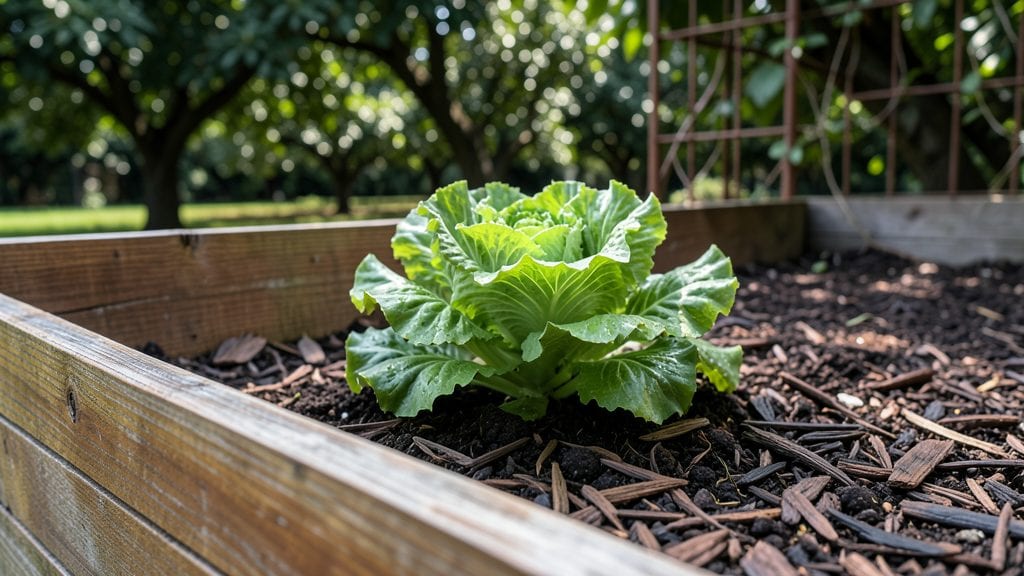
The Hayward Community Garden thrives as a collaborative space by dividing plots into seasonal planting zones, prioritizing native pollinator-friendly plants like milkweed and lavender, and hosting volunteer-led workshops on organic pest control and soil health. Membership is open to residents and local organizations through the city’s garden program application.
The Hayward Community Garden isn't just a green space—it's a year-round ecosystem designed to support local wildlife while empowering gardeners of all skill levels. 🌿 Native plants like milkweed and California buckwheat create vital habitats for monarch butterflies and bees, while the garden's seasonal zones ensure continuous blooms regardless of Hayward's mild but variable climate.
What makes this program unique is its focus on practical education, where workshops cover everything from composting techniques to identifying beneficial insects, giving members the tools to maintain thriving plots long after planting season ends.
For those new to gardening, the program offers structured support through soil testing initiatives and beginner-friendly crop recommendations tailored to Hayward's microclimates. The collaborative approach means you're never working alone—whether you're troubleshooting pest issues or planning your first harvest.
This isn't just gardening; it's building community through shared green space and sustainable practices that benefit the entire neighborhood.
💡 In This Article
- Designing Pollinator-Friendly Garden Layouts in Hayward
- Step-by-Step Guide to Joining Hayward’s Community Garden
Designing pollinator-friendly garden layouts in Hayward
Hayward’s climate—with its warm summers, mild winters, and coastal influences—creates perfect conditions for year-round pollinator activity if you choose the right plants. Native species like milkweed (Asclepias) and California buckwheat (Eriogonum) aren’t just beautiful; they’re ecological powerhouses.
Milkweed provides the sole food source for monarch butterfly caterpillars, while buckwheat’s tiny white flowers attract thousands of native bees per day. These plants evolved alongside local pollinators, meaning their nectar and pollen are perfectly matched to what insects need to thrive. 🔥
The key to a functional pollinator garden lies in spacing and layering. Plant milkweed in clusters of 3-5 plants spaced 18-24 inches apart to create visible "beacons" for butterflies, while buckwheat spreads naturally and should be planted in 3-foot-wide swaths to form continuous foraging corridors.
Understory plants like yarrow (Achillea) and California fuchsia (Epilobium) add vertical interest and extend the blooming season from spring through fall. Hayward’s microclimates—especially the drier inland areas—mean you’ll need drought-tolerant pairings like ceanothus (wild lilac) alongside moisture-loving plants near irrigation zones.
Water sources are just as critical as flowers. Shallow birdbaths (only 1-2 inches deep) with smooth edges prevent drowning while providing essential hydration. Place them near seating areas so gardeners can observe pollinators up close—you’ll often see bees "puddling" (drinking mineral-rich water) on warm days.
The garden’s layout incorporates pollinator pathways by leaving 12-inch-wide strips of mulch or bare soil between plantings; these act as "highways" where insects can move safely between food and water sources. This design mimics natural ecosystems where pollinators don’t need to fly long distances between resources. ✨
Seasonal planning maximizes impact. Spring features early bloomers like toyon (Heteromeles arbutifolia) and California poppies, while summer highlights sunflowers (Helianthus) and goldenrod (Solidago). Fall brings asters (Symphyotrichum) and native grasses that provide late-season nectar.
The garden’s three-zone system—early, mid, and late-season—ensures continuous blooms, which is vital since many pollinators have 4-6 week lifespans and must feed continuously. What most gardeners overlook is the importance of host plants (like milkweed) alongside nectar sources; without them, adult butterflies can’t reproduce, breaking the cycle.
Hayward’s specific advantages include its lack of frost in most winters, allowing year-round planting of Mediterranean natives like lavender and sage. These plants require minimal irrigation once established, making them ideal for the city’s water-conscious approach.
The garden’s soil—amended with compost from the city’s green waste program—provides the perfect balance of nutrients without chemical fertilizers that can harm pollinators. Even the mulch choices matter: straw allows rainwater to penetrate while suppressing weeds, while bark mulch retains moisture longer in summer. 💫
For those designing their own plots, start with a 50/30/20 rule: 50% native perennials, 30% annuals for continuous blooms, and 20% "messy" plants like wild roses or ceanothus that provide shelter.
The garden’s most successful sections combine three layers—tall plants (like manzanita), mid-height shrubs (coyote brush), and ground covers (creeping thyme)—to create a 3D habitat. This isn’t just aesthetics; it’s how pollinators navigate their environment, using visual cues and scent trails to find food efficiently. The result?
A garden that doesn’t just look beautiful but actively supports Hayward’s ecosystem.