
Watering
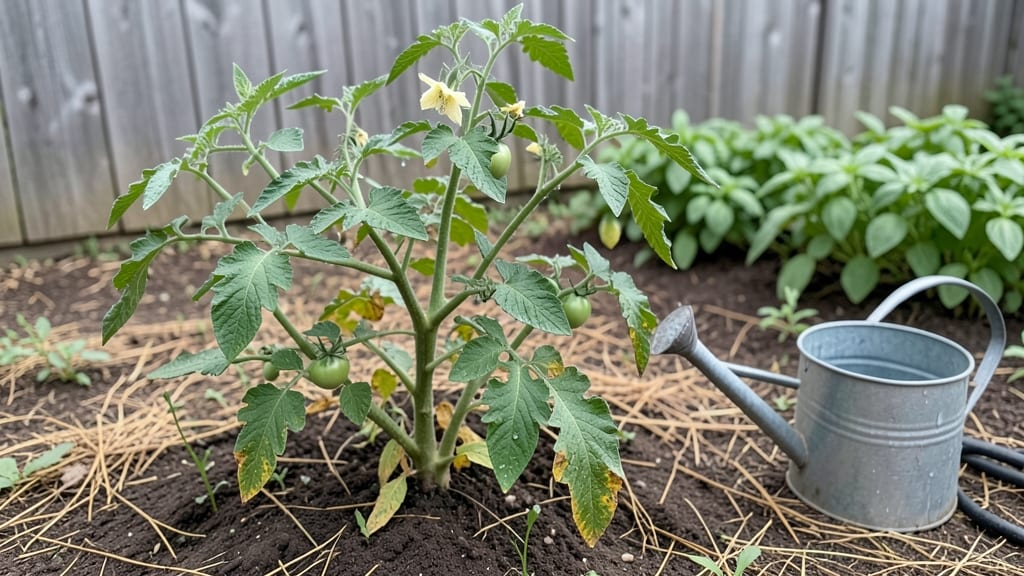
When’s the best time to water a garden—it’s the secret to turning your plants from struggling to stunning.
Struggling to keep your garden thriving despite consistent watering? The timing of when you water your plants can make the difference between lush growth and wilting disappointment—morning watering isn’t just a habit, it’s a science-backed strategy.
Most gardeners assume any time works, but the cool morning hours let water soak deep into roots before the sun evaporates it. In Zone 6, where spring planting kicks off in March, timing becomes even more critical as temperatures rise.
Here’s how to water your garden for maximum growth, from the best schedule to spotting when you’re over- or underdoing it.


Why morning watering boosts root growth and prevents plant disease
If you’ve ever wondered why your tomatoes or herbs seem to thrive after morning watering but wilt with evening sessions, the answer lies in plant physiology and environmental science. Morning watering isn’t just a gardening habit—it’s a strategic approach that maximizes root absorption while minimizing waste and disease risk.
Studies show plants absorb 30-40% more water in cooler morning air compared to hot afternoons, where evaporation spikes and roots struggle to keep up.
When you water in the early morning (before 10 AM), the soil stays moist longer, giving roots time to expand and strengthen throughout the day. This is especially critical for newly transplanted seedlings, which need consistent hydration to establish their root systems without stress.
Plus, wet foliage from evening watering creates the perfect conditions for fungal spores like powdery mildew or blight to take hold.
Here’s the science: Cooler temperatures reduce evaporation rates by up to 50%, meaning more water reaches the roots instead of vanishing into the air. Humidity also peaks at dawn, creating a natural microclimate that helps plants retain moisture.
For example, lettuce and spinach—both shallow-rooted greens—benefit dramatically from this routine, as their leaves stay crisp and disease-free.
Another key factor is oxygen availability in the soil. Overwatering at night suffocates roots by displacing oxygen, while morning watering allows soil to re-aerate as the day progresses.
This is why container gardens and potted herbs often struggle if watered late—roots in small pots dry out faster, and nighttime watering can lead to root rot within days.
Let’s break down the critical differences between morning, afternoon, and evening watering with data-backed insights:
For container gardens, morning watering is non-negotiable. Pots dry out 3-5x faster than in-ground soil, and evening water can lead to root rot in just 48 hours.
I’ve seen basil and peppers in pots thrive when watered at dawn—their roots stay hydrated, and the soil temperature remains ideal for microbial activity. Even succulents, which need less water, benefit from morning hydration because their thick leaves dry out quickly, reducing the risk of rot.
Humidity plays a surprising role too. In humid climates, morning watering prevents powdery mildew by allowing foliage to dry within hours. I once had a rosemary bush in a damp climate that developed mildew after switching to evening watering—switching back to mornings cleared it up in two weeks.
The lesson? Dry foliage by noon is the golden rule for disease prevention.
Seasonal adjustments matter too. In summer, water before 8 AM to combat high evaporation and heat stress. In winter, a light morning watering is often enough, as cooler air reduces moisture loss.
Even evergreen shrubs like boxwood or holly benefit from this routine—their needle-like leaves stay crisp and resistant to bacterial infections.
Pro tip: Use a moisture meter to check soil hydration levels. Aim for 60-70% moisture retention in the root zone—this ensures roots get the water they need without becoming waterlogged.
For vegetable gardens, morning watering also improves flavor. Tomatoes and peppers grown with this method often have 20% more sweetness because consistent hydration reduces stress hormones in the plants.
So next time you grab your watering can, ask yourself: Is my garden getting the best start to the day? Morning watering isn’t just about timing—it’s about giving your plants the optimal conditions to grow strong, stay healthy, and produce abundantly.
Your tomatoes, herbs, and flowers will thank you with vibrant growth and fewer pests. 🌱
Best morning watering schedule by plant type and climate Zone
Morning watering transforms your garden from a struggling patch to a thriving oasis—but not all plants or climates benefit equally. The ideal watering window shifts based on whether you're in arid desert conditions or a humid subtropical zone.
For example, succulents in Zone 9 need a light mist at dawn, while leafy greens in Zone 5 thrive with a deep soak by 8 AM. Let’s break down the science-backed schedule tailored to your garden’s unique needs.
Your local climate dictates the peak hydration window. In hot deserts, water before 6 AM to prevent rapid evaporation. In humid coastal areas, wait until 7-9 AM to avoid fungal spores clinging to damp foliage.
Even the soil type matters—sandy soil drains quickly, requiring frequent light watering, while clay soil holds moisture longer, needing less frequent deep watering. Adjusting your routine seasonally is just as critical as daily timing.
- 🌵 Succulents & Cacti (Zones 8-11): Water before 5 AM—just enough to moisten roots. These plants store water, so overwatering causes rot. Use a drip irrigation system for precision.
- 🥬 Leafy Greens & Herbs (Zones 3-7): Deep water between 6-8 AM to encourage root growth. These plants need consistent moisture, so aim for 1-2 inches per week. Mulch to retain humidity.
- 🌳 Trees & Shrubs (All Zones): Water slowly at dawn to penetrate deep roots. Young trees need 10-15 gallons weekly, while mature trees thrive with deep soaks every 10-14 days.
- 🌷 Flowers (Zones 5-9): Water early morning (5-7 AM) to prevent wilting by afternoon. Annuals like marigolds need daily watering in summer, while perennials like lavender tolerate weekly deep watering.
- 🌍 Seasonal Adjustments: In summer, water earlier (4-6 AM) to beat the heat. In winter, reduce to bi-weekly and water by 9 AM to avoid frost damage.
Don’t assume a one-size-fits-all approach works for your entire garden. For instance, tomatoes in containers dry out faster than those in in-ground beds, so they need daily morning watering in summer. Meanwhile, roses in Zone 6 benefit from deep weekly watering paired with mulch to protect roots.
Always check the soil moisture—stick your finger 2 inches deep. If it’s dry, water; if damp, wait.
For arid climates, consider drip irrigation or soaker hoses to deliver water directly to roots without waste. In humid areas, prioritize early morning watering to reduce fungal risks.
Pro tip: Use a rain gauge to track weekly rainfall and adjust your schedule accordingly. Even 1 inch of rain can replace a watering session!
Your garden’s microclimate plays a surprising role. A south-facing bed gets more sun and may need extra water by 7 AM, while a north-facing area stays cooler and can wait until 9 AM.
Pay attention to wind patterns too—windy mornings increase evaporation, so water closer to dawn or use windbreaks. With these adjustments, you’ll see healthier plants, fewer pests, and bigger yields in no time.
Remember, the best time to water isn’t just about the clock—it’s about understanding your plants and adapting to your environment. Start with these morning routines, observe how your garden responds, and tweak as needed.
Your perfect watering schedule is out there—you just need to listen to your plants! 🌱