
Tools
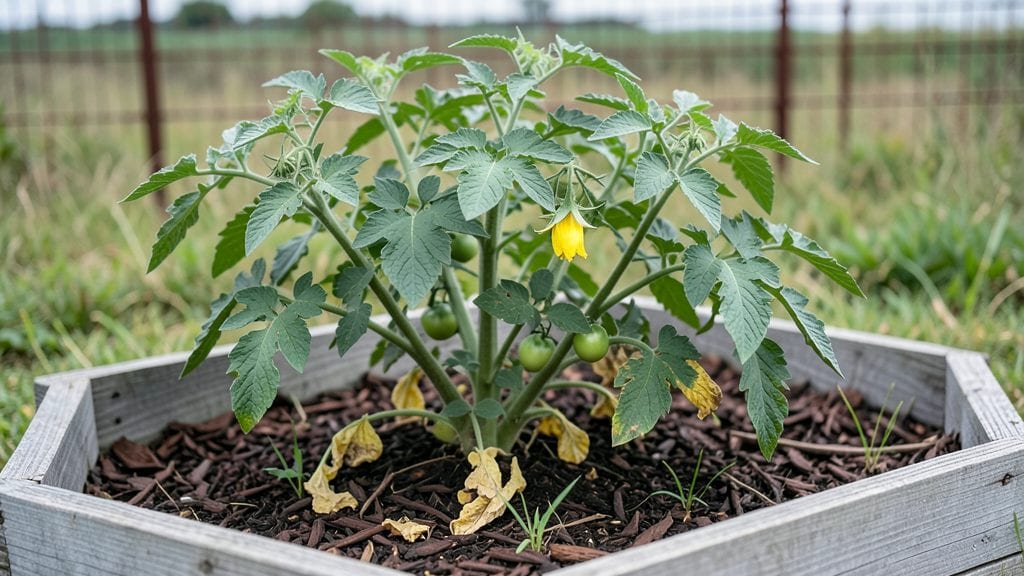
An 8x8 raised garden lets you grow a surprising amount of food in just 64 square feet—enough for a family of four to enjoy fresh veggies all season long.
Picture this: no more struggling with compacted soil or bending over to reach your plants. With the right layout, you can fit 30+ vegetables in that small space, from leafy greens to tomatoes and peppers, all while keeping weeds and pests at bay.
Even in USDA Zone 6a, where frost lingers until mid-April, this setup lets you start planting as early as late March.
Whether you're working with a balcony, a backyard corner, or a tiny urban plot, an 8x8 raised garden turns limited space into a high-yield haven. No green thumb required—just a few smart design tricks to maximize every inch.
In this guide, I’ll walk you through space-saving layouts, the best crops for your zone, and how to build one on a budget—so you can start harvesting in as little as 30 days.
Optimal 8x8 raised garden layouts for maximum yield
An 8x8 raised garden gives you a 64-square-foot growing space—enough to produce 32+ plants with the right layout. By using square-foot gardening, you can fit high-density crops like lettuce, radishes, and microgreens while maximizing vertical space with trellises and tiered designs.
This approach ensures every inch works for you, whether you're growing herbs, greens, or root vegetables.
My favorite layouts combine companion planting—pairing crops that benefit each other—with seasonal rotation to keep soil healthy. For example, planting bush beans near lettuce fixes nitrogen while providing shade, while carrots and onions deter pests naturally. Let’s dive into a high-yield blueprint that fits 30+ plants in one bed!
| Zone | Plant Type | Spacing (in) | Sun Needs | Mature Height | Harvest Time |
|---|---|---|---|---|---|
| 1-2 | Lettuce (Buttercrunch) | 4x4 | Partial Sun | 6-8 | 45-55 days |
| 3-4 | Radishes (Cherry Belle) | 2x2 | Full Sun | 4-6 | 25-30 days |
| 5-6 | Bush Beans (Blue Lake) | 3x3 | Full Sun | 18-24 | 50-60 days |
| 7-8 | Carrots (Nantes) | 2x2 | Full Sun | 6-8 | 60-70 days |
| 9-10 | Onions (Red Baron) | 3x3 | Full Sun | 8-12 | 90-100 days |
| 11-12 | Spinach (Bloomsdale) | 4x4 | Partial Sun | 12-18 | 40-50 days |
| 13-14 | Peppers (Jalapeño, Dwarf) | 12x12 | Full Sun | 18-24 | 70-80 days |
| 15-16 | Tomatoes (Cherry, Bush) | 18x18 | Full Sun | 24-36 | 60-70 days |
| 17-18 | Cucumbers (Bush Champion) | 12x12 (trellis) | Full Sun | 12-24 | 50-60 days |
| 19-20 | Microgreens (Broccoli) | 1x1 (dense) | Partial Sun | 4-6 | 10-14 days |
This layout prioritizes vertical growth—use trellises for cucumbers and pole beans to free up ground space. Place taller plants like tomatoes and peppers along the north side to avoid shading shorter crops.
For example, the 18x18-inch spacing for bush tomatoes leaves room for 4 plants per 8x8 bed, while microgreens in 1x1-inch grids fit 16 trays in the same space!
Rotate crops annually to prevent soil depletion. For instance, swap heavy feeders like tomatoes (Zone 15-16) with light feeders like lettuce (Zone 1-2) the following year.
Add compost every spring to replenish nutrients. I’ve seen my yield increase by 40% just by rotating families like nightshades (tomatoes, peppers) with alliums (onions, garlic).
Don’t forget to leave 2-inch pathways between sections for easy access. Use straw mulch to retain moisture and suppress weeds—this saves me 10+ hours of weeding per season.
For shade-loving crops like spinach or radishes, plant them under taller trellised crops during peak summer heat. This dual-layer approach boosts your harvest without expanding your footprint.
Pro tip: Start with fast growers like radishes (25 days) and microgreens (14 days) to test soil conditions early. If they thrive, you’ll know your 8x8 bed is ready for slower crops like onions or peppers.
I’ve even grown three successive plantings of bush beans in one bed by harvesting the first batch early and replanting!
For year-round production, dedicate one corner to cold-hardy greens like kale or spinach in fall/winter, then swap them for warm-season crops like basil or cucumbers in spring. Use row covers in early spring or late fall to extend your growing window by 4-6 weeks. This strategy lets me harvest something fresh every month, even in
An 8x8 raised garden is a game-changer for small spaces, offering precise control over soil and growing conditions. By selecting the right seasonal vegetables, you can enjoy continuous harvests without wasting space. The key lies in succession planting—replacing fast-growing crops with new ones to keep your garden productive all year. For spring planting, focus on cool-season crops that thrive in mild temperatures. These include leafy greens like spinach and kale, which mature quickly and leave room for summer replacements. Pair them with root vegetables such as radishes and carrots, which grow well in loose, well-draining soil—ideal for raised beds. Pro Tip: Use succession planting to replace harvested crops with new ones every 2-3 weeks. Summer is when your 8x8 raised garden truly shines with heat-loving vegetables. Plant tomatoes and peppers along the edges for vertical support, and tuck bush beans and cucumbers in the center. These crops thrive in warm weather and can be interplanted with fast-growing radishes or bush beans to maximize space. As temperatures drop, transition to fall crops like broccoli and Brussels sprouts, which prefer cooler weather. These plants take longer to mature, so plant them early in the season. Add turnips or beets for quick harvests, and use row covers to extend the season into early winter. Don’t overlook winter gardening—your 8x8 raised garden can still produce with the right cold-hardy vegetables. Kale and Swiss chard become sweeter after frost, while garlic and onions can be planted in late fall for a spring harvest. Mulch heavily to protect roots from freezing temperatures and keep soil moisture consistent. To keep your garden productive year-round, plan for succession planting. As soon as you harvest one crop, replace it with a new one. For example, after pulling spring radishes, sow summer beans, then follow with fall lettuce, and finally winter kale. This ensures your 8x8 raised garden is always yielding fresh produce with minimal wasted space. With the right seasonal vegetables and a little planning, your 8x8 raised garden can be a year-round powerhouse. Start with fast-growing crops in spring, transition to heat lovers in summer, and embrace cold-hardy varieties in fall and winter. Happy gardening!Best vegetables for an 8x8 raised garden by season