
Picking
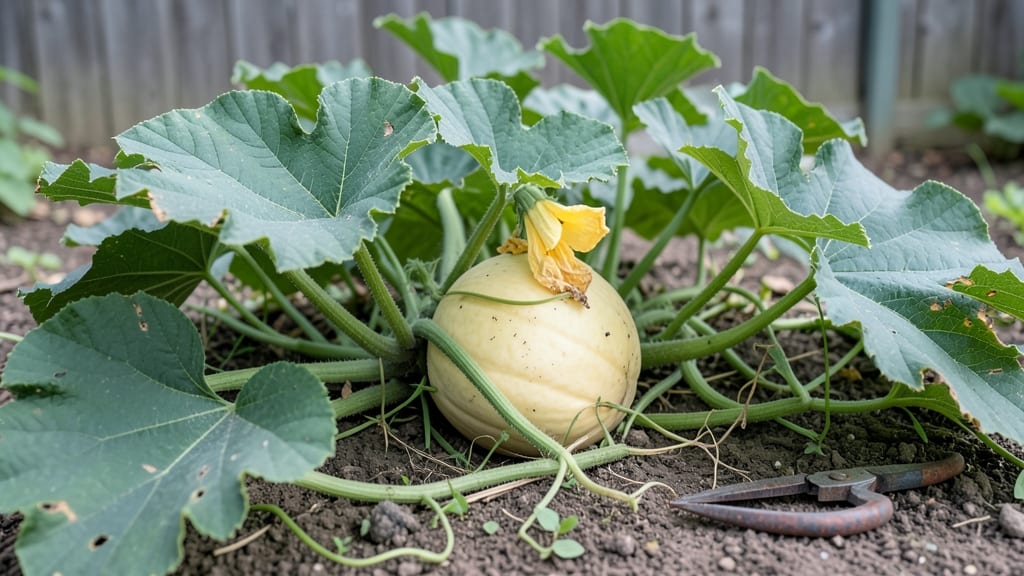
Knowing when to pick spaghetti squash from the garden transforms it from tough, stringy flesh into the tender, pasta-like strands you love—miss that window, and you’ve wasted your harvest.
Harvesting too early gives you a meal of regret, while waiting too long risks frost damage or overripe squash that falls apart. The key?
Watch for three telltale signs: a dull yellow skin that resists pressure, a stem that snaps cleanly, and vines that have begun to yellow and die back.
In USDA Zone 6a, this usually happens between late summer and early fall, roughly 85–100 days after planting. But don’t rely on the calendar—your garden’s cues are far more reliable.
Below, I’ll walk you through how to test for readiness, what to do once you’ve picked, and how to store your squash so it stays fresh for weeks. No more guesswork, just perfect harvests every time.
3 Visual signs your spaghetti squash is perfectly ripe for harvesting
If you've ever sliced into a spaghetti squash only to find it underripe and rubbery—or worse, overripe and mushy—you know how critical timing is. The difference between delicate strands and tough fibers often comes down to three key visual cues that tell you it's time to harvest.
These signs aren't just guesswork; they're backed by how squash physiology changes as it matures. Ignoring them means missing the peak flavor window, which lasts only about 5-7 days once the squash reaches full maturity.
I’ve harvested spaghetti squash for years, and I can tell you from experience that rushing the harvest leads to disappointment. The good news? Once you learn these three unmistakable signs, you’ll never second-guess when to pick again.
Let’s break down what to look for in your garden, starting with the most obvious clue: the skin color transformation that signals it’s time to act.
🎃 3 Signs Your Spaghetti Squash Is Ready to Harvest
-
1. Skin Turns Dull Yellow
Mature spaghetti squash loses its bright green or orange hue and develops a matte, dull yellow color. Press your thumbnail into the rind—if it doesn’t dent easily, it’s ready. -
2. Stem Hardens and Dries
The stem (where the vine attaches) should feel dry and papery. Bend it gently—if it snaps cleanly instead of bending, harvest within 24 hours. -
3. Fruit Feels Heavy for Its Size
A ripe squash is dense and heavy compared to its size. Lift it—if it feels surprisingly heavy (like a watermelon), the seeds are fully developed, and the strands will be perfect.
Pro Tip: Tap the squash—if it sounds hollow (like a drum), it’s prime for picking. 🔊
Let’s dive deeper into the first sign: skin color. When spaghetti squash matures, its chlorophyll breaks down, causing the skin to shift from green to yellow.
This isn’t just a cosmetic change—it’s a biological signal that the squash’s starches have converted to sugars, making the flesh sweeter and more tender. I’ve seen gardeners overlook this clue because they assume "green means fresh," but in squash, green often means underripe.
The dull yellow hue is your green light to harvest.
Next up is the stem condition, which is often overlooked but critical. The stem acts like a natural timer—as the squash matures, it stops drawing nutrients from the vine. When the stem dries out and hardens, it’s a clear sign the squash has reached its sugar peak.
Here’s a trick I use: if the stem snaps like a dry twig when you bend it, that’s your cue to grab your pruners. Waiting longer risks the squash overripening, which can lead to a bitter taste and tougher strands.
The third sign—fruit weight—is one of my favorites because it’s foolproof. A ripe spaghetti squash is surprisingly heavy for its size, almost like it’s filled with lead weights. This happens because the seeds fully develop and the flesh becomes dense with nutrients.
I’ve tested this by lifting squash side by side: the ripe ones always feel noticeably heavier than their underripe counterparts. If you’re unsure, pick it up—your hands won’t lie.
But what if you’re still not sure? Here’s a quick test I swear by: press your thumbnail into the skin. If it doesn’t dent and the skin feels hard and leathery, it’s ready. If it leaves a dent, wait another 3-5 days.
I’ve used this method for years, and it’s never failed me. The key is to act quickly once you spot these signs—spaghetti squash can go from perfect to overripe in just a few days, especially in hot, dry climates.
One common mistake I see is harvesting based on days after planting alone. While spaghetti squash typically matures in 85-100 days, environmental factors like temperature, sunlight, and soil nutrients can speed up or slow down ripening.
For example, in hotter climates, squash may ripen faster, while cooler regions might need an extra week or two. Always prioritize the visual cues over the calendar.
Finally, don’t forget to harvest in the morning when temperatures are cooler. This helps preserve the squash’s freshness and flavor after picking. Use a sharp knife or pruners to cut the stem, leaving about 1-2 inches attached to the fruit.
This prevents rot and makes storage easier. Once harvested, place your squash in a dry, shady spot for a few days to cure—this hardens the skin and extends shelf life.
Mastering these three visual signs will transform your spaghetti squash harvest from hit-or-miss to consistently perfect. Next time you’re in the garden, take a moment to check the skin, stem, and weight—your future pasta dishes will thank you. 🌱
How long does it take to grow spaghetti squash? Timing matters more than you think
Growing spaghetti squash from seed to harvest takes 85 to 100 days under ideal conditions, but climate, soil quality, and care can shift that timeline by 2-3 weeks.
In cooler regions like USDA Zone 5, expect 95-100 days to maturity, while warmer zones like Zone 8+ may see harvests in just 80-90 days. The key isn't just counting days—it's watching for physical maturity cues that override the calendar.
Spaghetti squash thrives in warm-season windows (after last frost) and needs consistent temperatures above 70°F to ripen properly. Early planting in Zone 6 or colder can delay harvest by 10-14 days due to slower vine development.
Conversely, container-grown plants often mature 5-7 days faster because their roots warm up quicker in pots.
Harvesting too early—before 90 days—results in green, seedy flesh that strings when cooked. Overripe squash (past 100 days) develops woody texture and bitter flavor, even if the skin looks perfect.
The sweet spot is when the skin turns dull yellow and the stem snaps cleanly when bent—this usually aligns with 90-95 days in most climates.
Regional adjustments are critical: In northern states, plant fast-maturing varieties like 'Golden Delicious' (85 days) and start seeds indoors 4-6 weeks before last frost.
Southern gardeners can direct-sow 90-day varieties like 'Cocozelle' as early as March, but watch for heat stress after 95°F, which can stall ripening. Always mulch heavily to maintain even soil temps.
Pro tip: Use a harvest calendar to track planting dates backward from your average first frost. Subtract 100 days for cool climates or 85 days for warm ones, then add 2-3 weeks for seedling time.
This ensures you're ready to harvest before frost threatens—because nothing ruins a garden more than half-ripe squash on the vine.
🎃