
Picking
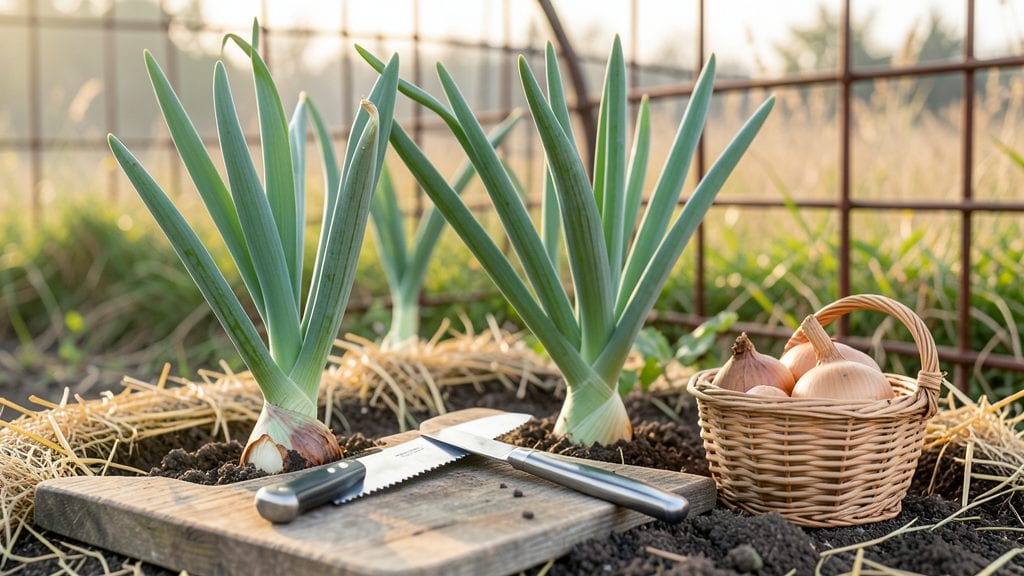
Harvesting onions from the garden at the right time ensures you get those sweet, flavorful bulbs instead of tough, pungent ones that spoil fast.
Knowing exactly when to pull them can mean the difference between a perfect harvest and a pile of wasted effort. One year, I missed the window and ended up with onions that were too small for storage or too bitter to eat fresh.
For most gardeners in Zone 6a, that window opens in June or July, about 90-120 days after planting. But timing isn’t just about the calendar—it’s about watching for those key visual cues, like yellowing tops and papery skin.
Below, I’ll walk you through the exact signs to look for, how to handle them once they’re ready, and even how to avoid common mistakes that ruin your harvest.


5 Visual and physical signs your onions are ready for harvest
Harvesting onions at the perfect moment transforms your garden into a treasure trove of flavorful, long-lasting bulbs. But how do you know when they're truly ready? Unlike many vegetables, onions don't ripen after picking—so timing is everything.
Miss the window, and you'll end up with tough, pungent bulbs that spoil faster. The key lies in observing leaf color, bulb size, and subtle ground-level cues that reveal when your onions have reached peak maturity.
Whether you're growing storage onions for winter or green onions for fresh use, the same principles apply. The difference? Storage onions need fully mature bulbs, while green onions can be harvested multiple times before the plant fully develops.
Let's break down the five unmistakable signs that tell you it's time to dig—before the weather or pests ruin your harvest.
-
1. Leaf Blades Turn Yellow and Flop Over
The most reliable sign! When 50-75% of the tops yellow and fall over naturally, bulbs are at peak sweetness. This happens 3-4 weeks before the first frost in most climates. -
2. Bulb Diameter Reaches 1-2 Inches
Gently brush away soil to check. If the bulb measures 1-2 inches across with a ½-inch neck, it's ready. Smaller bulbs won't store well. -
3. Papery Skin Forms on the Bulb
Look for a dry, tan outer layer (not green!). This natural protective skin means the bulb has stopped growing and is curing naturally in the soil. -
4. Roots Begin to Shrink and Darken
Dig up one test onion. If roots are shrinking and turning brown, nutrients are redirecting to the bulb—your cue to harvest before they rot. -
5. Weather Triggers: Heat or Frost
Harvest before 90°F+ heat (bulbs may split) or after first frost (bulbs turn bitter). In Zone 5+, aim for late June to early July.
Pro tip: Test one bulb by pulling it gently. If it slides out easily with minimal resistance, your onions are ready. If the bulb stays stubbornly in place, wait 3-5 more days. Overharvesting leads to smaller bulbs, while underharvesting risks rot or bolting (flowering).
For green onions, harvest when the leaf blades reach 6-8 inches tall but before bulbs form. Snip just above the soil line, leaving the base to regrow.
You'll get 3-4 harvests per season this way! The key difference? Green onions prioritize leaf growth, while storage onions focus on bulb development.
Regional variations matter too. In hot climates (Zones 8-10), onions mature faster—watch for signs by late spring. In cool climates (Zones 3-5), extend the season by harvesting after the first frost (they'll keep in storage until spring). Always account for your last frost date when planning.
One common mistake? Waiting too long for "perfect" bulbs. Overripe onions develop hollow centers and lose flavor. The moment you see two of these five signs, start harvesting. Use a fork to loosen soil first—never pull by the tops to avoid breaking bulbs.
After harvesting, let them cure in the sun for 3-5 days to toughen skins for storage.
Remember: Onions are 90% water at harvest. Proper timing ensures they convert that moisture into sweet, storable bulbs rather than slimy leftovers. Once you master these signs, you'll never second-guess your harvest again—just sweet, reliable onions all season long.
How to harvest onions for maximum flavor and storage life
Harvesting onions at the right time ensures sweet, flavorful bulbs that store well for months. The key is patience—waiting too long can turn your onions tough and pungent, while harvesting too early means small, underdeveloped bulbs.
Proper timing also depends on whether you're growing storage onions (for long-term keeping) or green onions (for fresh use).
Once your onions show the right visual and physical cues, follow these steps to harvest, cure, and store them correctly. Skipping any step can reduce flavor and storage life, so pay close attention to drying times and environmental conditions.
Even a small mistake can turn a great harvest into a disappointing one.
Step-by-Step Onion Harvesting Guide
-
Step 1: Choose the Right Day
Pick a dry, sunny day with temperatures between 70-80°F (21-27°C). Avoid harvesting after rain or when humidity is high.
-
Step 2: Loosen the Soil
Use a garden fork or shovel to gently lift onions from the soil. Work around the bulb to avoid damaging the skin.
-
Step 3: Shake Off Excess Soil
Gently brush off loose soil with your hands or a soft brush. Avoid rubbing the bulbs, which can cause bruising.
-
Step 4: Trim the Tops
Cut the green tops back to 1 inch above the bulb using clean shears or scissors. This helps the onion cure properly.
-
Step 5: Cure the Onions
Spread onions in a single layer on a mesh screen, wire rack, or clean wooden pallet. Place them in a shady, dry, and well-ventilated area for 2-3 weeks.
-
Step 6: Store Properly
Once fully cured (skin is dry and papery), store onions in a cool, dark place with good airflow, like a mesh bag or ventilated container.
For green onions, harvest by cutting the outer leaves when they reach 6-8 inches tall. Leave the inner leaves to keep growing. This method allows you to harvest multiple cuts over the growing season without digging up the entire plant.
If you live in a humid climate, curing may take longer—up to 4 weeks. Monitor your onions daily to prevent mold or rot. Properly cured onions can last 6-8 months in storage, making them a cost-effective addition to your winter kitchen.
Remember, the earlier you harvest, the milder the flavor. Storage onions develop their signature sharpness as they mature, so wait until the tops yellow and fall over for the best balance of flavor and storage potential.