
Picking
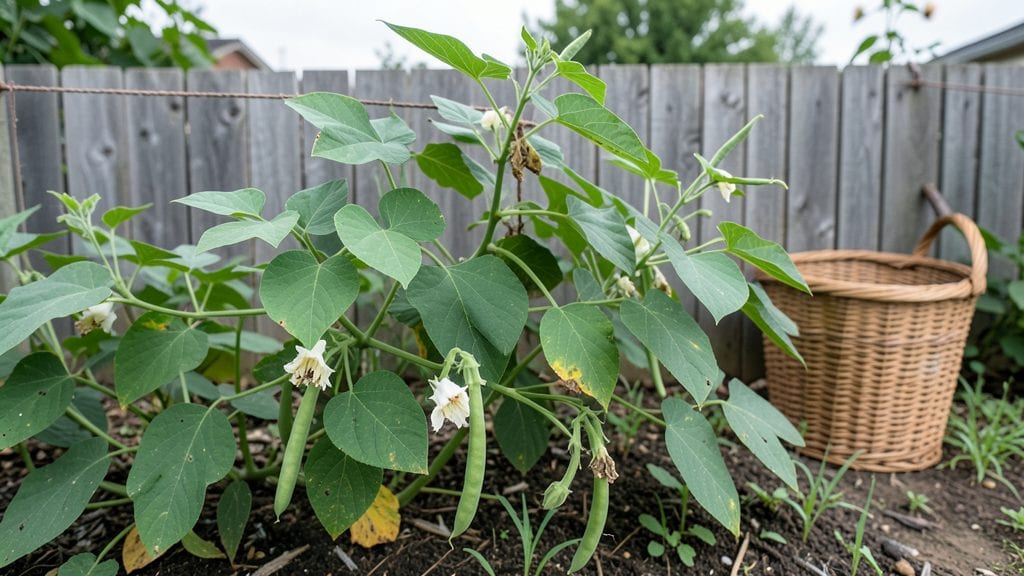
To pick beans from your garden at their peak means harvesting when pods snap crisply and seeds are plump but not bulging—timing that most gardeners miss by days.
Picture this: your 🌱 green beans are thriving in Zone 6a, but you wait just one extra week, and suddenly those tender pods turn tough and bitter. That’s the difference between a harvest worth bragging about and one you’ll toss in the compost.
Knowing the exact moment to harvest isn’t just about size—it’s about color, texture, and even the time of day.
A 4-6 inch pod with deep green skin that snaps easily is your golden ticket to flavor, but miss the window, and you’re left with stringy, mealy beans that ruin any dish.
Here’s how to spot the perfect moment, from June to September, and why checking your plants twice a week makes all the difference in your harvest’s success.


How to determine when to pick green beans by size & color cues
Harvesting green beans at the perfect moment transforms your garden into a flavor factory. Overripe pods turn tough and stringy, while underripe ones lack sweetness—both are easy to avoid with the right visual cues.
The key lies in understanding pod length, color consistency, and touch tests that vary slightly between bush beans and pole beans. Let’s break down how to spot that ideal window.
For most green bean varieties, the harvest window opens when pods reach 4-6 inches long. This is your sweet spot for tenderness, but the exact timing depends on whether you’re growing bush beans (compact plants) or pole beans (vining types).
Bush beans often mature slightly faster, while pole beans may need a few extra days to reach peak flavor. Ignoring these differences can lead to missed harvests or bitter-tasting beans.
Color is your next clue—deep, vibrant green pods signal readiness, while pale or yellowing pods mean it’s past prime. However, some heirloom varieties like Blue Lake or Kentucky Wonder maintain their color longer, so always pair color checks with size and texture tests.
A quick snap test (bending the pod slightly) should produce a crisp break—if it bends without snapping, it’s overripe.
Ready for a visual guide? Here’s how to spot the perfect green bean at a glance:
<summary-table>| Cue | Bush Beans | Pole Beans | Action |
|---|---|---|---|
| Pod Length | 4–5 inches | 5–6 inches | Harvest daily to encourage more pods |
| Color | Bright, even green | Deep green (no yellowing) | Avoid pods with streaks or dull spots |
| Texture | Firm, crisp when bent | Snaps cleanly (no give) | Discard soft or mushy pods |
| Seed Visibility | Plump, barely visible | Visible but not bulging | Overripe if seeds fill the pod |
| Harvest Time | Morning (coolest part of day) | Morning or late afternoon | Use sharp scissors to avoid damaging vines |
Pole beans often need a longer pod (up to 6 inches) because their vines grow taller, giving pods more time to mature. Meanwhile, bush beans produce pods closer to the ground, so they’re ready slightly earlier.
Pro tip: Use a measuring tape or even a ruler to track growth—consistency is key for a steady harvest.
Don’t rely on color alone, especially if you’re growing heirloom varieties like Christmas Limas or Contender. Some stay green longer but develop woody fibers if left too long.
Always squeeze the pod gently—if it feels spongy, it’s past its prime. For maximum sweetness, aim to harvest within 3–4 days of reaching ideal size.
Time of day matters too. Morning harvests yield the freshest beans because they’ve had the night to cool down, locking in flavor. Avoid picking after a hot afternoon, as beans can become stringy faster in high heat.
If you’re short on time, late afternoon is the next best option—just rinse pods immediately in cool water to refresh them.
Regular harvesting is your secret weapon. When you pick beans every 2–3 days, you signal the plant to produce more pods, extending your harvest season by weeks.
Skipping this step leads to overcrowded vines and smaller, tougher beans. Think of it like pruning—you’re encouraging growth, not just collecting pods.
Watch for seed development inside the pod. If seeds are visible but not bulging, you’ve got a winner. But if they’re filling the pod, the bean will turn starchy and bland.
For dry bean varieties (like those used for soups), you’d wait until seeds are fully formed, but for green beans, early harvesting is everything.
Finally, store harvested beans properly to preserve their crisp texture. Place them in a plastic bag in the fridge for up to 5–7 days, or blanch and freeze for long-term storage. The sooner you use them after picking, though, the sweeter and fresher they
Lima beans vs snap peas: unique harvest signals for each type
Harvesting beans at the perfect moment transforms your garden bounty from bland to bursting with flavor. Lima beans and snap peas might look similar, but their harvest signals couldn't be more different.
Lima beans signal readiness with a buttery yellow hue, while snap peas reward you with crisp, sugar-packed pods when picked just right. Miss the window, and both turn tough or bitter—so let's dive into what to watch for.
For lima beans, the pod color shift from green to pale yellow is your first clue. But don't stop there—firmness and size matter too. Overripe lima beans develop thick skins and lose their creamy texture.
Meanwhile, snap peas demand immediate attention once they reach 2-3 inches long and snap like fresh green beans. Waiting even a day can turn their sweetness to starchy disappointment.
Here’s a quick comparison to help you master the timing for each:
Lima Beans
- Pods turn pale yellow (not green)
- Pods are 3-4 inches long
- Seeds are visible but not bulging
- Pods stay green past 5 inches
- Seeds fill the pod completely
- Pods feel fibrous or dry
Snap Peas
- Pods are 2-3 inches long
- Seeds are tiny dots inside
- Pods snap crisply when bent
- Pods exceed 3 inches
- Seeds grow larger than pea-sized
- Pods feel tough or stringy
Lima beans thrive in warm soil and love consistent moisture, so check them every 2-3 days once pods start yellowing. Snap peas, on the other hand, prefer cooler temperatures and bolt quickly—so harvest them morning to midday for the freshest flavor.
Pro tip: Use a pair of sharp scissors to snip stems cleanly, which encourages more pods to form.
Environmental factors play a huge role too. Hot, dry weather speeds up lima bean maturation, while cool, damp conditions can slow snap peas down. If your snap peas are lagging, consider shading them slightly to prevent premature flowering.
For lima beans, mulch heavily to retain moisture and extend the harvest window.
One common mistake? Harvesting based on pod size alone. Always double-check the seed development and pod texture. Lima beans with bulging seeds turn mealy, while snap peas with enlarged seeds lose their signature snap. When in doubt, pick smaller pods—they’ll always taste better than their overripe counterparts.
Mastering these signals ensures your beans stay tender, sweet, and full of flavor, not tough or bitter. Now grab those shears and enjoy the harvest!