
Tools
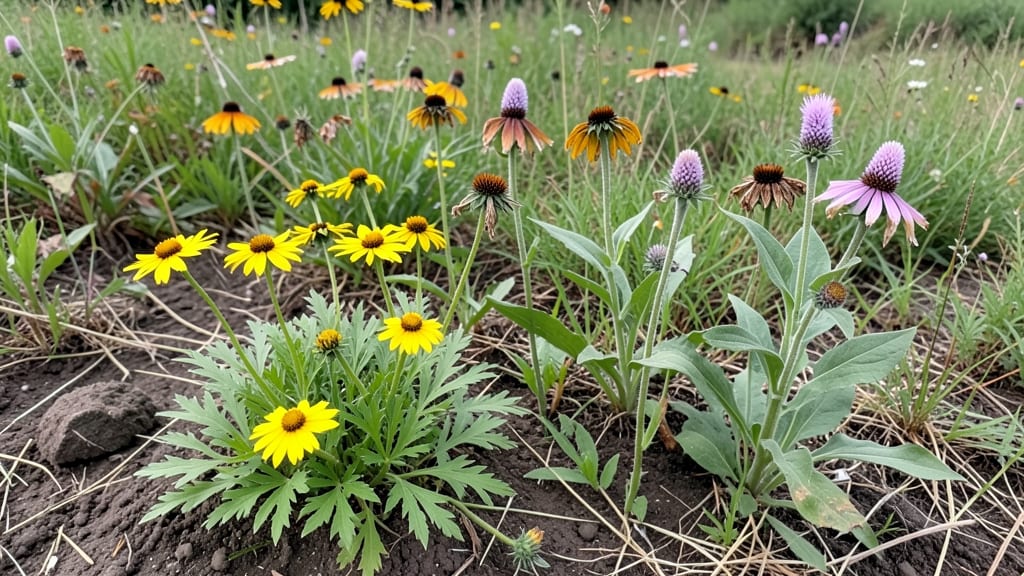
A small wildflower garden transforms even the tiniest corner into a buzzing pollinator paradise. 🌸 I learned the hard way that wildflowers don't need perfect soil or constant fussing—they thrive on neglect once established.
The key is choosing the right mix of native species that bloom at different times, ensuring color from spring through frost without lifting a finger after the first year.
Start with a patch as small as 3×3 feet—even a crack in the sidewalk can work. Clear weeds, loosen the soil, and sprinkle native wildflower seeds (like black-eyed Susans or purple coneflowers) over bare earth.
Water lightly for two weeks, then let nature take over. The first year might look sparse, but by year two, you'll have a lush, low-maintenance display that hummingbirds and bees can't resist.
This isn't just about pretty flowers—it's a lifeline for struggling pollinators. A single 4×4-foot plot can support hundreds of bees and butterflies while cutting your watering and weeding time to almost nothing.
The best part? You'll spend more time admiring the results than working on them. Let's get those seeds in the ground!
Works in containers, window boxes, or full sun patches—no space is too small. The only rule is to skip the non-native flowers that offer no food value. Ready to create a year-round show with almost no effort?
📚 In This Guide
- What you need
- Instructions
- Tips and common mistakes
- Wrapping up and next steps
What you need
- ● Wildflower Seeds: Choose a pollinator-friendly mix (1–2 lbs for a 100 sq. ft. area). Look for native species like milkweed, coneflowers, or black-eyed Susans.
- ● Soil: Loose, well-draining topsoil (1–2 bags, ~40 lbs each) or compost to improve fertility.
- ○ Mulch (optional but helpful): Straw or shredded leaves (1–2 bags) to retain moisture and suppress weeds.
- ● Watering Can or Hose: A lightweight can (2–5 gallons) or a soaker hose for gentle watering.
- ● Garden Gloves: A pair of durable, breathable gloves to protect your hands.
- ● Hand Trowel or Rake: A small trowel (for planting) or a leaf rake (for soil prep).
- ● Measuring Tape or String: To mark and measure your garden’s boundaries.
- ○ Optional Extras: Bird feeders or baths (to attract more pollinators!).
- ● Decorative stones or borders (for a polished look).
- ● Sunlight meter (to check light conditions if unsure).
- ● Sunlight: A spot with at least 4–6 hours of direct sun per day (more is better!).
- ● Space: Even a small balcony, windowsill, or 4’x4’ patch works!
- ● Water Access: A nearby spigot or water source for regular (but not excessive) watering.
- ● Patience: Wildflowers may take 2–3 weeks to germinate and a full season to bloom.
Step-by-step instructions for creating a small wildflower garden
Here's how to design a thriving pollinator haven that blooms season after season with minimal effort.
🌱 Step 1: Choose Your Planting Location
Select a spot that receives at least 6 hours of sunlight daily. Most wildflowers thrive in full sun, though a few shade-tolerant varieties like bluebells or wild columbine can handle partial shade. Avoid low-lying areas where water pools after rain—wildflowers despise soggy roots.
Check the soil by digging a small hole. If it feels compacted or clay-heavy, you'll need to improve drainage. I like to test soil moisture by squeezing a handful—if it holds its shape like Play-Doh, it's too dense. Wildflowers prefer soil that crumbles easily when dry.
🪴 Step 2: Prepare the Soil for Wildflower Success
Clear the area of weeds and grass by hand or with a hoe, working 6-8 inches deep. Wildflowers compete poorly with established vegetation, so thorough removal is key. I often use a landscape fabric under larger planting areas, but for small gardens, hand-pulling works just fine.
Loosen the soil with a rake or broadfork, breaking up any compacted layers. For poor soil, mix in 2-3 inches of compost to improve fertility without smothering wildflower seeds. Avoid heavy amendments like manure—they can inhibit germination.
☀️ Step 3: Select and Plant Your Wildflower Mix
Choose a pre-mixed wildflower seed blend designed for your climate zone. Look for native species like black-eyed Susan, coneflower, or milkweed—they attract the most pollinators. Scatter seeds evenly over the prepared area, using about ½ pound per 100 square feet.
Lightly rake the seeds into the soil to ensure good soil contact—just enough to cover them with ¼ inch of soil or less. Press them gently with your hand or a board to help them make contact with the earth. Water lightly but don't soak the area, as heavy watering can wash seeds away.
💧 Step 4: Maintain Your Wildflower Garden
Keep the soil consistently moist but not soggy for the first 4-6 weeks until seedlings establish. Water in the morning so foliage dries quickly, reducing disease risk. Once established, wildflowers need very little water—1 inch per week during dry spells is plenty.
Let the flowers go to seed at the end of the season. The dried seed heads provide winter food for birds and will reseed naturally for next year's blooms. Cut back dead growth in late winter or early spring before new growth appears—this prevents weeds from taking over.
✂️ Step 5: Encourage Year-Round Pollinator Visits
Leave some seed heads standing through winter to feed birds and provide early-season nectar. I always leave at least 10-20% of the plants uncut to ensure continuous food sources. Group plants with different bloom times together—early spring bloomers like violets followed by summer coneflowers and fall asters keep pollinators fed all season.
Add a small water source like a shallow dish with pebbles for insects to drink from. Place it near the flowers so pollinators can easily find both water and nectar. Avoid pesticides entirely—wildflowers rely on natural pollination, and many beneficial insects are sensitive to chemical sprays.
Tips & tricks for perfect small wildflower gardens
Creating a thriving pollinator garden takes a little strategy—here are the secrets that'll make all the difference in your first season.
The Sunlight Secret: That 6 hours of sunlight requirement is non-negotiable for most wildflowers, but here's what I've learned: south-facing slopes get the most consistent sun, while north-facing areas might need shade-tolerant varieties like wild columbine. I always check sunlight patterns throughout the day—what looks sunny in summer might be shady in winter.
Soil Prep Game-Changer: When working 6-8 inches deep to clear weeds, I use a broadfork instead of a shovel—it breaks up compacted layers without turning the soil, which wildflowers actually prefer. For clay-heavy soil, I mix in 2-3 inches of compost and let it sit for a week before planting to let beneficial microbes colonize.
Seed Planting Precision: The ½ pound per 100 square feet seed rate might seem light, but wildflowers need space to thrive. I use a seed spreader for even distribution, then lightly rake to cover with just ¼ inch of soil. Pressing seeds with a board ensures good soil contact—this step makes the difference between patchy growth and lush blooms.
Watering Wisdom: Those first 4-6 weeks are critical for seedling establishment. I set up a drip irrigation system on a timer to deliver water slowly in the morning—this prevents soil erosion while keeping roots moist. Once established, wildflowers are remarkably drought-tolerant, but that 1 inch per week guideline during dry spells keeps them thriving.
Pro Tips for Small Wildflower Garden
- Creating a thriving pollinator garden takes a little strategy—here are the secrets that'll make all the difference in your first season.
- I always check sunlight patterns throughout the day—what looks sunny in summer might be shady in winter.
- Soil Prep Game-Changer: When working 6-8 inches deep to clear weeds, I use a broadfork instead of a shovel—it breaks up compacted layers without turning the soil, which wildflowers actually prefer.
Frequently asked questions
Got questions about creating your own small wildflower garden? You’re not alone! Here are some of the most common queries—and their answers—to help you get started with confidence.
What’s the best time of year to plant wildflowers?
For most regions, early spring or fall are ideal—when soil is workable but not scorching. Spring planting gives flowers a head start, while fall seeds often germinate better with cooler temps. Pro tip: Check your seed packets for regional guidance!
How much water do wildflowers really need?
Once established, wildflowers are drought-tolerant, but new seedlings need consistent moisture. Water lightly daily for the first 2 weeks, then taper to 1–2 times per week (unless it rains). Overwatering can drown seeds—soak the soil, not the leaves!
Will wildflowers attract pests like mosquitoes?
Not at all! Wildflowers repel pests by attracting beneficial pollinators (bees, butterflies) and predators (ladybugs, lacewings). Avoid stagnant water sources—mosquitoes need standing water, not flowers. Bonus: Native species are the best pest-free choices!
Can I grow wildflowers in containers or small spaces?
Use deep pots (12+ inches) with drainage holes and well-draining soil. Dwarf varieties (like lobelia or coreopsis) thrive in containers. For balconies, try vertical planters or window boxes. Just ensure they get 6+ hours of sun.
Why aren’t my wildflowers blooming?
Common culprits: too much shade, over-fertilizing (wildflowers prefer lean soil), or crowding. Check sunlight needs, thin seedlings if packed, and skip synthetic fertilizers. Patience pays off—some species bloom in their second year!
Are wildflowers invasive in my area?
It depends! Native wildflowers are safe and support local ecosystems. Avoid non-native species like knapweed or kudzu, which can spread aggressively. Use reputable seed suppliers or check your state’s invasive species list first.
Wrapping up and next steps
Creating a small wildflower garden is a rewarding way to support pollinators while adding beauty to your space—no matter the size! With the right mix of native plants, thoughtful design, and minimal upkeep, you’ll enjoy year-round color and a thriving ecosystem. 🌸
Ready to take the next step? Start small—even a 5x5-foot patch makes a difference! Research local wildflowers, gather your supplies, and begin planting. Before you know it, your garden will buzz with life, and you’ll be proud of your pollinator-friendly haven.