Size
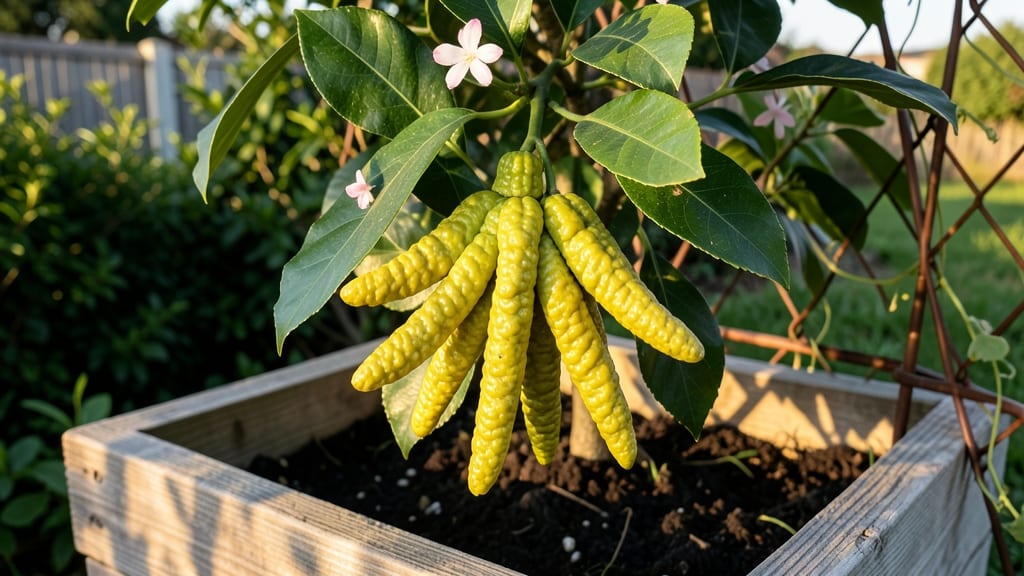
Transforming your garden with a Buddha’s hand is like cultivating a living perfume—its unique, lemony fragrance fills the air when you brush its twisted fingers. 🌿 I’ve watched mine grow from a scraggly cutting into a bold, fragrant centerpiece that thrives even in partial shade, proving this citrus relative isn’t just ornamental but downright resilient.
The secret lies in mimicking its Mediterranean roots: well-draining soil, bright light (but not scorching afternoon sun), and a winter rest period when growth slows.
You’ll start with either a seed—slow but rewarding—or a semi-hardwood cutting from a healthy plant, both of which root surprisingly easily with the right humidity. My first attempt failed because I overwatered, but once I dialed it back, the roots took hold within 6 weeks.
By summer, you’ll be pinching back new growth to encourage bushiness and harvesting those lemon-scented, finger-like branches to bundle in potpourri or tuck into garlands. The plant’s drought tolerance once established means less fuss, just more fragrance—imagine walking past it and smelling fresh citrus without a single fruit in sight.
Perfect for small gardens, containers, or even as a fragrant indoor plant during winter. The key is patience—it can take 2-3 years to reach full ornamental glory, but every twisted limb is worth the wait for that intoxicating scent. Let’s get those fingers growing!
📚 In This Guide
- What you need
- Instructions
- Tips and common mistakes
- Wrapping up and next steps
What you need
- ● Buddha’s Hand plant: 1 healthy nursery-grown plant (check for vibrant, lemon-scented foliage!)
- ● Well-draining potting mix: 5–10 gallons (depending on pot size), or a blend of 60% cactus/succulent mix + 40% perlite/pumice for aeration
- ● Container: 1 large pot (12–18 inches deep) with drainage holes or a raised garden bed in a sunny, sheltered spot
- ○ Gloves: 1 pair (optional but recommended—those thorns are sharp!)
- ● Watering can or hose with a gentle nozzle: 1 (avoid overwatering—this plant hates soggy roots!)
- ● Fertilizer: 1 balanced 10-10-10 or 20-20-20 liquid fertilizer or slow-release granules (follow package rates)
- ● Pruning shears: 1 pair (sterilized with rubbing alcohol)
- ● Mulch: Pea gravel or bark chips (1–2 inches) to retain moisture and deter weeds
- ● Citrus food: 1 bottle (boosts fragrance and growth—look for citrus-specific formulas!)
- ● Support stake or trellis: 1 (if growing in a windy area—Buddha’s Hand can get top-heavy!)
- ● Humidity tray: 1 (if indoors, to mimic its Mediterranean climate)
- ● Fragrance diffuser or candle: 1 (to amplify the citrusy aroma in your garden space!)
Step-by-Step instructions for growing Buddha's hand citrus
Here's how to cultivate this striking, fragrant evergreen with minimal fuss—perfect for containers or sunny garden edges.
🌱 Step 1: Select the Right Plant and Pot
Choose a healthy Buddha's hand (Citrus medica 'Buddha's Hand') from a nursery, preferably a mature plant with several limbs. These trees thrive in 10-12 inch diameter containers with drainage holes—unglazed terra cotta works best. I always opt for a pot slightly larger than the root ball to prevent root circling but not so big it retains excess moisture.
Fill the bottom 2 inches of the pot with gravel or perlite for drainage. This prevents waterlogging, which can rot the roots. The Buddha's hand has shallow roots, so a shallow but wide pot mimics its natural habitat better than deep containers.
☀️ Step 2: Plant and Position for Maximum Sunlight
Remove the plant from its nursery pot and loosen the roots gently if they appear root-bound. Place it in the prepared container and backfill with a mix of 50% potting soil and 50% coarse sand or perlite. This blend ensures excellent drainage while retaining enough moisture for the tree's tropical roots.
Press the soil lightly around the base but avoid compacting it. Position the plant in a location with full sun exposure (6-8 hours daily). A south-facing window or patio gets the job done, but if you're in a hot climate, afternoon shade prevents leaf scorch. You'll know it's happy when new growth emerges within 4-6 weeks.
💧 Step 3: Water and Fertilize for Optimal Growth
Water the Buddha's hand thoroughly after planting, allowing water to drain completely from the bottom. These trees hate soggy roots, so always wait until the top 2 inches of soil feel dry before watering again. In summer, this usually means every 3-4 days, while winter watering drops to every 7-10 days.
Feed the plant with a balanced citrus fertilizer (10-10-10) every 4-6 weeks during spring and summer. Reduce feeding in fall and winter, as growth slows. Over-fertilizing causes salt buildup in the soil, which harms the roots. You'll notice healthier foliage and more vigorous growth when fertilization is on point.
✂️ Step 4: Prune and Shape for Year-Round Appeal
Prune in late winter or early spring to shape the tree and encourage bushier growth. Use clean, sharp pruning shears to trim back any leggy or overcrowded branches. I always cut just above a leaf node or outward-facing bud to promote new growth in the right direction. Remove any dead, diseased, or crossing branches first—they compete for resources and can invite pests.
Buddha's hand responds well to pruning, so don't be afraid to shape it into a small tree or even a shrub. The goal is to create an open canopy that allows air to circulate, preventing fungal issues. After pruning, give the plant a light feeding to support new growth.
🪴 Step 5: Overwinter and Protect from Cold
Buddha's hand is evergreen but can suffer damage in temperatures below 25°F. If you live in a colder climate, move the plant indoors near a bright window or under grow lights during winter. Reduce watering significantly—just enough to keep the soil from drying out completely.
If you're growing it outdoors in a mild climate, protect it from harsh winds and frost by wrapping the pot in burlap or moving it to a sheltered spot. You'll see new growth in early spring, signaling it's ready to return to its sunny spot. With proper care, your Buddha's hand will reward you with fragrant blossoms and striking foliage for years to come.
Tips & tricks for perfect Buddha's hand cultivation
A few subtle adjustments can transform your Buddha's hand from a struggling plant to a thriving garden centerpiece with fragrant blossoms. Here's what I've learned after nurturing several over the years.
Soil Composition is Everything: The 50-50 mix of potting soil and coarse sand or perlite in Step 2 isn't just about drainage—it mimics the tree's natural limestone-rich habitat. I've found that adding a handful of crushed eggshells to the mix provides extra calcium, which prevents the characteristic yellowing leaves many growers encounter. This small addition makes a noticeable difference within 6-8 weeks of new growth.
Sunlight Strategy for Different Climates: While the instructions call for 6-8 hours of full sun, I've adapted this based on location. In hot, dry climates, I provide afternoon shade during peak summer months (afternoons from 1-4pm) to prevent leaf scorch while still giving the plant its required sunlight. In cooler climates, supplement with grow lights for 4-6 hours daily during winter months when natural light is scarce.
Fertilizer Timing Matters More Than You Think: The 4-6 week feeding schedule in Step 3 works perfectly, but I've discovered a pattern that prevents fertilizer burn. Always water the plant thoroughly 24 hours before applying fertilizer—this ensures the roots are hydrated and can absorb nutrients without salt buildup. I also alternate between liquid citrus fertilizer and slow-release granules every other feeding to maintain steady nutrient availability.
Winter Protection Beyond the Basics: When temperatures approach 25°F, I've developed a layered protection system that goes beyond just moving indoors. First, I wrap the pot in bubble wrap before adding the burlap exterior layer. This creates an insulating air pocket that maintains more consistent temperatures. For outdoor plants, I also place a clear plastic dome (like a large salad container) over the top during frost events—it creates a mini greenhouse effect without trapping too much moisture.
Pro Tips for Buddha'S Hand Grow A Garden
- A few subtle adjustments can transform your Buddha's hand from a struggling plant to a thriving garden centerpiece with fragrant blossoms.
- Soil Composition is Everything: The 50-50 mix of potting soil and coarse sand or perlite in Step 2 isn't just about drainage—it mimics the tree's natural limestone-rich habitat.
- Sunlight Strategy for Different Climates: While the instructions call for 6-8 hours of full sun, I've adapted this based on location.
Frequently asked questions
Got questions about growing Citrus × medica (Buddha’s Hand) in your garden? You’re not alone! Here are some of the most common queries—and their answers—to help you cultivate this fragrant, low-maintenance citrus tree with confidence.
How long does it take for a Buddha’s Hand tree to produce its signature “fingers”?
A Buddha’s Hand tree typically takes 3–5 years to mature enough to produce its distinctive, fragrant “fingers” (fruit). Patience is key—young trees focus on establishing roots and foliage first. With proper care (full sun, well-draining soil, and occasional pruning), you’ll start seeing those iconic, lemon-scented buds in no time! Pro tip: Fertilize lightly in spring to encourage fruiting.
Can Buddha’s Hand grow indoors, or does it need outdoor conditions?
Yes! Buddha’s Hand thrives indoors as a houseplant in sunny spots (like near a south-facing window) or outdoors in USDA Zones 9–11. If growing indoors, ensure it gets 6+ hours of sunlight daily and rotate it occasionally for even growth. Outdoors, it’s hardy in mild climates but may need winter protection (e.g., a frost cloth) in colder regions. Troubleshooting: Yellow leaves? It might be too cold or overwatered.
How often should I water a Buddha’s Hand tree, and what’s the best soil?
Water your Buddha’s Hand every 1–2 weeks (less in winter), letting the top 2–3 inches of soil dry out between waterings. It prefers well-draining, slightly acidic soil (pH 6.0–7.0). Mix in perlite or sand to prevent root rot. Overwatering is a common issue—always use a pot with drainage holes if growing in containers! Alternative: Try a cactus/succulent mix for better aeration.
Are Buddha’s Hand fruits edible, or are they just for decoration?
While the fruit is not typically eaten fresh (it’s extremely sour and seedy), it’s 100% edible when candied, made into marmalade, or used in perfumes and potpourri! The fragrant zest is prized in cooking for flavoring desserts or teas. Fun fact: The “fingers” are packed with essential oils—great for DIY air fresheners!
What pests or diseases should I watch for, and how do I treat them?
Buddha’s Hand is generally pest-resistant, but watch for scale insects, spider mites, or aphids (common in dry conditions). Treat with neem oil or insecticidal soap. Overwatering can lead to root rot, so ensure proper drainage. Prevention tip: Inspect leaves regularly and prune affected areas immediately. Yellowing leaves may also signal nutrient deficiency—feed with a citrus fertilizer in spring.
Wrapping up and next steps
Growing a Buddha’s Hand citrus tree is a rewarding way to add fragrant beauty and year-round interest to your garden—no matter how small your space! 🌿 With the right care, this low-maintenance plant thrives in containers, making it perfect for patios, balconies, or even sunny windowsills.
Whether you’re drawn to its striking finger-like fruit, sweet citrus scent, or vibrant foliage, this plant proves that big impact doesn’t require big space.
Now that you’re equipped with the essentials, why not take the next step? Start with a single plant, experiment with pruning for shape, or even share cuttings with fellow gardening enthusiasts. Your fragrant garden accent is just a few seeds (or a nursery trip) away—happy growing! 🌱✨