
Fertilization
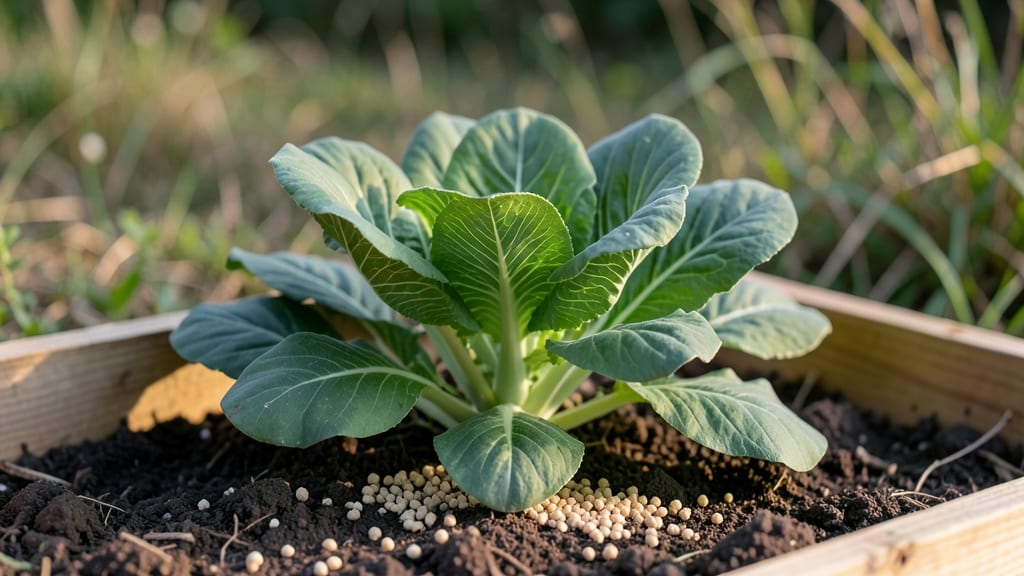
Fertilizing your garden at the right time is the difference between wasted money and a thriving 🌱 harvest—spring is your first critical window.
Timing your garden fertilization wrong can mean wasted money, nutrient burn, or stunted plant growth—but getting it right unlocks lush blooms, bountiful harvests, and healthier soil. The secret? A science-backed seasonal schedule tailored to your plants' needs.
In Zone 6a, most gardens benefit from the first feeding in early spring—just as new growth emerges—while summer calls for lighter applications to avoid overloading roots. Fall is the time to skip fertilizing entirely, letting plants prepare for dormancy.
Below, I’ll break down the exact months to feed, how often to adjust for vegetables vs. flowers, and the one mistake that kills more gardens than pests do.
Seasonal fertilization schedule by plant type: when to feed for maximum growth
Fertilizing your garden at the wrong time can actually harm your plants—too early and you’ll waste nutrients, too late and growth stalls. The key is understanding each plant type’s growth cycle and nutrient needs.
For example, vegetables like tomatoes and peppers need frequent feeding during fruiting, while perennials like lavender benefit from a single spring boost. Even lawns have different timing needs than flowering annuals.
Most gardeners make the mistake of fertilizing in fall or winter when plants are dormant, or overdoing it in summer heat, which burns roots. Instead, focus on early spring for root development and mid-season for blooms and harvests.
I’ve broken this down by plant category so you can tailor your schedule—no more guesswork or wasted fertilizer!
📌 Pro Tip: Always test your soil first! A simple pH test (available at garden centers) tells you if your soil is acidic, alkaline, or balanced—this dictates which fertilizer type to use. Most vegetables thrive in 6.0–7.0 pH, while blueberries need 4.5–5.5.
Below is your month-by-month fertilization guide, organized by plant type. Use this as your roadmap to maximum growth, bigger blooms, and healthier soil—without overfeeding or underfeeding.
🌱 Key: "Feed" = full application, "Light" = half-strength or slow-release, "Skip" = no fertilizer needed.
For vegetables, the growing season is your focus—start with a balanced fertilizer in early spring to build roots, then switch to phosphorus-heavy feeds (like 5-10-10) when flowers appear. Tomatoes and peppers love frequent light feedings every 3–4 weeks once fruiting begins.
If you notice yellowing leaves or stunted growth, it’s often a sign of nitrogen deficiency—apply a quick-release fertilizer like fish emulsion.
🌿 Flowers like roses and petunias need a different approach: potassium-rich fertilizers (e.g., 10-10-20) promote blooming, but overfeeding can lead to leafy growth with few flowers. I recommend a slow-release organic in spring, followed by monthly bloom boosters during summer.
Perennials, however, are low-maintenance—just a single spring feeding and compost top-dressing in fall keeps them thriving for years.
Lawns are the heaviest feeders in spring and summer. A <
5 Signs your garden needs fertilizer (and when to avoid it)
Not all yellow leaves mean your garden needs fertilizer—sometimes they signal overwatering or disease. But if your plants show chronic nutrient deficiencies, it’s time to assess their needs. The key is learning the difference between hungry plants and those suffering from fertilizer burn.
I’ll walk you through the top 5 signs your garden is craving nutrients—and when to hold off on feeding.
Before grabbing that fertilizer bag, check your soil pH and recent feeding history. Plants in acidic soil (pH < 6.0) may need lime, while alkaline soil (pH > 7.5) might benefit from sulfur. Over-fertilizing can cause nutrient toxicity, which looks like crispy leaf edges or stunted growth. Let’s break down the clues your garden is dropping.
- 1. Yellowing leaves (starting with older ones) – A classic nitrogen deficiency sign. Feed with a balanced fertilizer (10-10-10) in early spring or after harvest.
- 2. Purple or red stems/leaves – Your plants are phosphorus-starved. Use a high-phosphorus fertilizer (e.g., bone meal) when planting root crops or flowering plants.
- 3. Stunted growth or weak stems – A potassium deficiency or poor soil structure. Add compost or a potassium-rich fertilizer (like greensand) in late summer for fall crops.
- 4. Slow or no flowering – Your tomatoes, roses, or peppers need a phosphorus boost. Fertilize with a 5-10-10 mix when buds form (usually mid-to-late spring).
- 5. Crispy brown leaf edges – Over-fertilization! Stop feeding immediately and flush soil with water. Avoid fertilizing dormant plants (winter) or stressed plants (drought or disease).
If you spot yellowing leaves but your plants are otherwise thriving, they might just need a light feeding of fish emulsion or compost tea. For vegetables like lettuce or spinach, a side-dressing of nitrogen-rich fertilizer every 4-6 weeks keeps them lush.
But if your soil test shows high nutrient levels, skip it—your plants are already well-fed!
Timing matters too. Early spring is ideal for pre-planting fertilizers, while mid-summer feedings should be light to avoid late-season growth that won’t harden off for winter. Always water before and after applying fertilizer to prevent root burn. 🌱
Pro tip: Test your soil every 2-3 years to avoid guesswork. Many county extension offices offer affordable soil tests that reveal pH, nitrogen, phosphorus, and potassium levels. Armed with this data, you’ll know exactly when to fertilize—and when to hold off. 💧
Remember, healthy soil is the foundation of a thriving garden. If your plants look perfectly fine but you’re itching to fertilize, resist the urge! Overdoing it can harm your garden more than help.
Instead, focus on organic matter, proper watering, and seasonal care. Your plants will thank you with vibrant blooms and bountiful harvests all season long. ✂️