
Picking
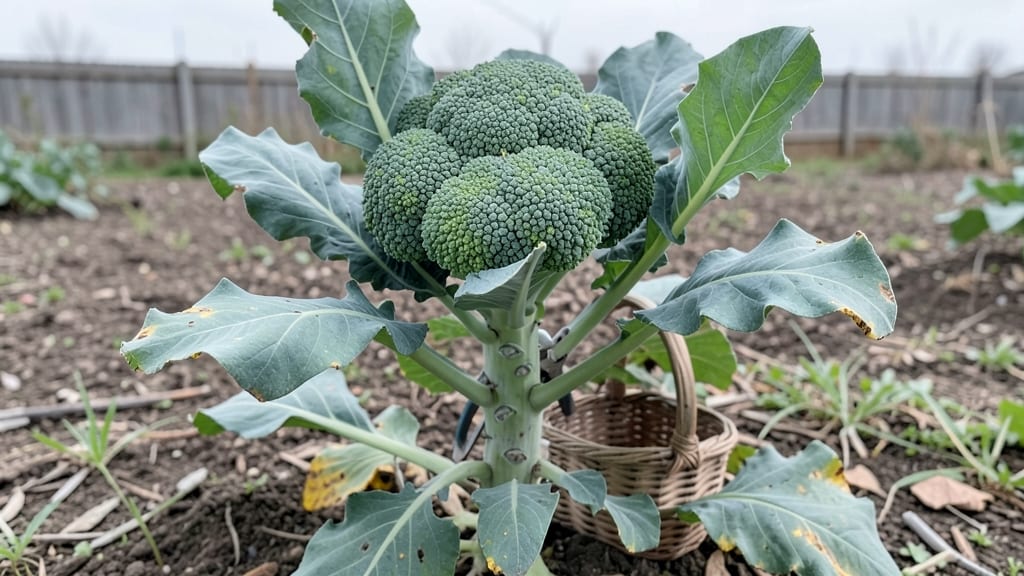
Picking broccoli 🥦 at the right moment transforms your garden harvest into crisp, flavorful florets—wait too long, and you end up with bitter, woody stalks that taste more like disappointment than dinner.
Harvesting broccoli at the wrong time can turn your homegrown bounty into bitter, woody stalks—so knowing exactly when to pick is the secret to restaurant-quality flavor. The color-check method reveals the perfect moment before your plants bolt or flower, ensuring crisp, tender florets every time.
Most gardeners miss the ideal window because they focus on size alone, but the true signal is the floret color: deep, rich green with no yellowing at the edges. Combine that with a firm stem and a head between 4 and 8 inches wide, and you’ve got the perfect harvest.
In this guide, you’ll learn how to spot the exact moment your broccoli is ready, extend your harvest season, and avoid the 3 biggest mistakes that ruin flavor—so you can enjoy homegrown broccoli that tastes like it came straight from a chef’s garden.


How to use the broccoli color-check method for perfect harvest timing
Mastering the broccoli color-check method transforms guesswork into foolproof timing. This simple technique focuses on three key visual cues: floret color, stem firmness, and leaf health. When you spot these signs, you’ll harvest at peak flavor—crisp, sweet, and vibrant.
The secret lies in acting before the florets start yellowing or the stems toughen, which happens faster than you might think.
Start by examining the main floret head, which should be 4-8 inches wide and tightly packed. The dark green color is your best indicator—it means the florets are still packed with natural sugars.
If you wait too long, the florets begin to yellow and spread, signaling overmaturity. This shift happens within just 2-3 days once the head reaches full size, so timing is everything.
Here’s where the color-check method saves the day: compare your broccoli’s appearance to these key benchmarks. The table below breaks down the exact visual cues to watch for, so you can confidently pick at the perfect moment—no more bitter, woody stalks!
🌱
Don’t overlook the stem end, where subtle clues reveal maturity. A slight yellowing at the base signals readiness, while a fully green stem means the head isn’t fully developed.
Gently bend the stem—if it snaps cleanly, it’s time to harvest. This test is especially useful for dwarf varieties, which mature faster than standard broccoli.
Temperature plays a sneaky role in timing. If your garden is hotter than 85°F, broccoli heads may mature 2-3 days faster than expected. In cooler weather (60-70°F), take your time—heads develop more slowly.
Always harvest in the morning when temperatures are mildest, as this preserves crispness and flavor.
One of the biggest mistakes gardeners make is cutting the stem too short. Leave 4-6 inches of stem attached to the plant—this allows side shoots to form, giving you 30-50% more harvests per plant.
Use a sharp knife or pruners to make a clean cut at a 45-degree angle, just above a leaf node. This encourages new growth and prevents disease.
Pro tip: Check your broccoli daily during the final week of maturity. The transition from perfect to overripe happens overnight, especially in warm climates.
If you’re unsure, harvest slightly early—broccoli continues to ripen slightly after picking, and it’s far better to have a slightly smaller, perfect head than a large, bitter one.
🌿
For fall-planted broccoli, watch for frost warnings—heads can survive light frosts (28-32°F) but become tough and woody if exposed to hard freezes. If frost is forecast, harvest 2-3 days early to avoid damage.
In spring plantings, prioritize harvesting before extreme heat sets in, as this causes bolting (premature flowering) and ruins flavor.
Finally, store harvested broccoli properly to maintain freshness. Place it in the crisper drawer of your fridge, wrapped in a damp paper towel to retain moisture. With the color-check method, you’ll enjoy restaurant-quality broccoli straight from your garden—no bitterness, no waste, just perfect timing every time.
✂️
Broccoli harvesting mistakes that destroy flavor (and how to fix them)
Even the most patient gardeners can ruin their broccoli harvest with simple timing mistakes. Waiting just 1-2 days too long turns sweet florets into tough, bitter stalks—while harvesting too early means missing out on flavor development.
The key is recognizing 3 critical signals that most gardeners overlook: floret color, stem firmness, and the plant's overall energy. I've made these mistakes myself, and trust me, the difference between crisp, sweet broccoli and woody disappointment comes down to these overlooked details.
One of the biggest flavor destroyers is harvesting during extreme heat or late afternoon. Broccoli's natural sugars convert to starch when stressed by high temperatures, making it taste bland or even slightly bitter.
Even worse, cutting heads when the plant is wilted from heat shock can cause premature bolting—the plant's way of saying "I'm giving up!" Understanding these hidden triggers will help you avoid common pitfalls that turn your garden's best efforts into kitchen disappointments.
⚠️ callout warning
🚨 Harvesting Too Late = Flavor Disaster
Waiting until yellowing appears on florets means you've missed the 3-day flavor window. Once yellowing starts, the broccoli converts sugars to starches, creating that bitter, woody taste even cooking can't fix. The perfect harvest moment is when florets are dark green and tightly packed—no yellow, no loosening.
Let's start with the most common mistake: harvesting the main head too late. Many gardeners wait until the broccoli head reaches its maximum size, but by then, it's already past its prime. The ideal time is when the head is 4-6 inches wide and the florets are tightly packed.
At this stage, the broccoli contains the highest concentration of glucosinolates, the compounds that give it that signature sweet, slightly peppery flavor. Waiting just 48 hours longer can reduce these compounds by up to 30%, making your harvest taste dull and fibrous.
Another critical error is ignoring the side shoots that form after harvesting the main head. These secondary florets can produce 30-50% more yield if harvested correctly, but many gardeners either don't notice them or cut them too late.
The key is to harvest these side shoots every 2-3 weeks once they reach 2-3 inches in diameter. Each new shoot should be cut at a 45-degree angle about an inch below where the main stem branches off to encourage more growth.
Harvesting in extreme heat (above 85°F/30°C) is another silent flavor killer. When broccoli plants experience heat stress, they produce less chlorophyll and more bitter compounds as a defense mechanism. To avoid this, always harvest in the early morning when temperatures are coolest.
If you must harvest during the day, do it in the shade and immediately store the broccoli in a cool, dark place (like a root cellar or refrigerator) to slow down the flavor-destroying enzymes.
To ensure you never make these mistakes again, here's my flavor-preservation checklist for every harvest: ☑️ Check floret color—dark green only, no yellow ☑️ Test firmness—stem should snap cleanly when bent ☑️ Harvest in morning shade during hot weather ☑️ Cut 1 inch below the head to encourage side shoots ☑️ Store immediately in cool darkness after harvesting Following these steps will guarantee your broccoli tastes as fresh as the day you picked it, even weeks later.