
Tools
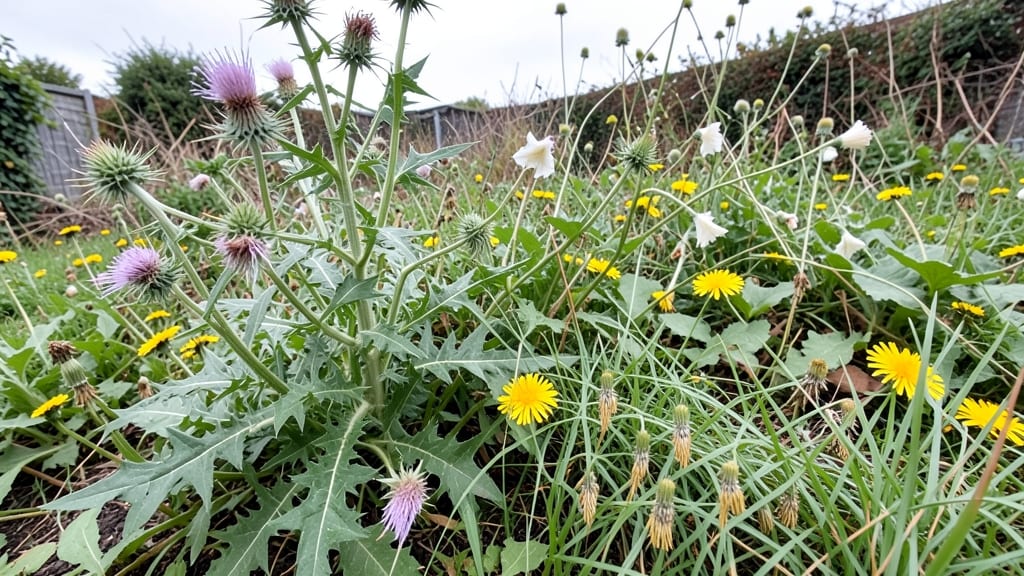
Weeds overtaking your garden can feel like a losing battle—but I’ve found the right barriers actually stop them before they start. 🌱 The key is blocking sunlight and seed germination where it matters most, without harsh chemicals or endless pulling.
Most weeds need light to grow, so thick mulch or landscape fabric under plants cuts off their supply. I’ve used cardboard layers topped with straw for years—it’s cheap, breaks down naturally, and keeps weeds from sprouting near my tomatoes and peppers.
Even a simple layer of newspaper works in a pinch.
You’ll see results within weeks: fewer weeds popping up, healthier soil, and plants that thrive without competition. The best part? These methods work for flower beds, vegetable patches, and even between paving stones where weeds love to sneak in.
No digging, no poison—just smart placement of barriers that weeds can’t penetrate. Let’s get your garden back under control without the daily cleanup.
Root Causes Of Unwanted Growth
When your garden becomes a battleground between your prized plants and tenacious weeds, understanding why they take over is half the battle. Weeds don’t just appear out of spite—they thrive because of specific conditions that favor their rapid spread.
Let’s break down the science behind their dominance and how you can use this knowledge to reclaim your space.
Weeds are opportunistic survivors, and their first advantage is bare soil. When your garden lacks a dense, healthy plant cover, weeds fill the gaps with ease. Here’s why:
- Nutrient Availability: Weeds often germinate faster than desirable plants because they’ve evolved to capitalize on disturbed or nutrient-rich soil. For example, crabgrass and dandelions thrive in nitrogen-heavy environments, which are common in freshly tilled or fertilized beds.
- Light Access: Without a thick canopy of plants, weeds get unobstructed sunlight, which fuels their photosynthesis and growth. A sparse garden is like an all-you-can-eat buffet for weeds.
- Root Space: Weeds like bindweed and nutsedge spread aggressively because they exploit empty root zones. Their fibrous or creeping roots quickly dominate areas where your intended plants haven’t established a strong network.
Actionable Fix: Prioritize soil health and plant density. Use mulch (straw, wood chips, or leaves) to block light and smother weed seeds before they germinate. Interplanting—growing fast-growing crops or ground covers—creates natural competition for resources.
Water is the lifeblood of any garden, but too much—or the wrong kind—can turn your yard into a weed magnet. Here’s how moisture plays into their takeover:
- Excess Moisture: Weeds like moss, chickweed, and duckweed thrive in soggy conditions because they’re adapted to retain water. Overwatering (or poor drainage) creates the perfect environment for these species to sprout and spread.
- Shallow Watering: Frequent light watering keeps the topsoil damp, encouraging weed seeds to germinate. Unlike deep-rooted plants, weeds often have shallow roots and rely on surface moisture.
- Irrigation Runoff: Sprinklers that spray onto sidewalks or driveways can deposit weed seeds from neighboring areas into your garden, giving them a head start.
Actionable Fix:
- Water deeply but infrequently to encourage deep root growth in your plants, which outcompetes weeds.
- Improve drainage by amending clay soil with compost or installing French drains in low-lying areas.
- Use drip irrigation or soaker hoses to deliver water directly to plant roots, reducing surface moisture for weeds.
Weeds love chaos—literally. Any disruption to the soil, whether from foot traffic, tilling, or construction, triggers a weed explosion. Here’s the science:
- Seed Dormancy Break: Many weed seeds remain dormant until soil is disturbed. Tilling, for example, brings buried seeds to the surface, where they germinate in droves. This is why soil disturbance is often called the "weed seed bomb" effect.
- Root Zone Disruption: Compacted soil restricts root growth in your plants, leaving gaps that weeds rush to fill. Compacted areas also create microclimates where moisture and warmth linger—ideal for weed germination.
- Erosion Exposure: Bare, exposed soil (from grading or erosion) has no natural barriers, allowing wind-blown or animal-dispersed seeds to colonize effortlessly.
Actionable Fix:
- Avoid tilling whenever possible. Instead, use no-till gardening techniques like sheet mulching or cover cropping to protect soil structure.
- Add organic matter (compost or aged manure) to improve soil aeration and reduce compaction.
- Use stepping stones or mulch paths to minimize foot traffic on garden beds.
Even the most well-maintained gardens can fall prey to weeds if there’s a strategic flaw in how plants are arranged. Weeds exploit these gaps like a thief in the night:
- Slow Starters: If your garden features slow-growing plants (like perennials in their first year), weeds like purslane or spotted knapweed move in before your desired plants can establish a canopy.
- Monoculture Planting: Planting the same species in large patches creates uniform gaps where weeds can spread uncontrollably. For example, a lawn of Kentucky bluegrass will inevitably develop weed hotspots if not maintained.
- Seasonal Barren Spots: Areas where plants die back in winter (like vegetable gardens) become weed incubators until new crops are planted.
Actionable Fix:
- Use fast-growing cover crops (like clover or rye) in bare spots to outcompete weeds until your main plants mature.
- Stagger planting times to ensure continuous ground cover. For example, plant cool-season crops in early spring and warm-season crops in late spring to avoid gaps.
- Incorporate living mulches—low-growing plants like creeping thyme or vinca—that suppress weeds while adding beauty.
By addressing these root causes, you’re not just fighting weeds—you’re rewriting the rules of your garden’s ecosystem. The key is to create an environment where your plants thrive so vigorously that weeds don’t stand a chance. 🚀
Natural Ways to Stop Weeds Fast
Weeds don’t stand a chance when you use the right strategies—especially when you leverage nature’s defenses. Below, we’ll break down practical, chemical-free solutions tailored to the most common causes of weeds overtaking your garden. Each fix includes a quick action plan and prevention tips to keep your space weed-free long-term.
Fix: Smother and Block Light Weeds thrive where soil is exposed, so the first line of defense is eliminating their sunlight source. Try these methods:
- 🔥 Mulch Like a Pro Apply 3–4 inches of organic mulch (straw, wood chips, or shredded leaves) around plants. This blocks weeds while improving soil health. For paths, use gravel or landscape fabric to deter growth entirely.
- 🍳 DIY Cardboard Barrier Lay down unwaxed cardboard (no tape or staples) under mulch or in garden beds. It decomposes over time while suffocating weeds. Wet it down first to help it break down faster.
- 👨🍳 Sheet Mulching (Lasagna Gardening) Layer cardboard → compost → mulch in problem areas. Over time, weeds disappear as the layers decompose, and your soil gets richer.
✨ Prevention Tip: Keep mulch consistently 3+ inches thick and refresh it seasonally. Weeds can’t break through dense layers!
Fix: *Control Moisture & Crowd Out Weeds Weeds love damp soil—so adjust your watering habits to make your garden less inviting.
- 💡 Drip Irrigation or Soaker Hoses Water deeply but infrequently (1–2 times per week) to encourage deep root growth in your plants. This leaves weeds high and dry with less moisture.
- 🎯 Hand-Pull at the Right Time Weeds are easiest to remove when the soil is moist but not soggy (early morning or post-rain). Use a weed puller or hori-hori knife for stubborn roots.
- 🌿 Plant Density Matters Crowd out weeds by planting closely (e.g., lettuce, carrots, or clover). Dense foliage blocks sunlight and reduces empty space for weeds to sprout.
🔥 Pro Tip: Water only at the base of plants, avoiding broad sprinkling. A 1–2 inch layer of mulch also slows evaporation, reducing weed-friendly moisture.
Fix: Regular Checks & Strategic Attacks Weeds spread when you ignore them. A consistent routine keeps them from gaining a foothold.
- ⏰ Weekly Weed Patrol (5-Minute Rule) Spend just 5 minutes weekly pulling weeds before they seed. Focus on edges of beds, walkways, and container borders—hotspots for invasion.
- 🌡️ Boiling Water Treatment (Instant Kill) For driveways or cracks, pour boiling water directly on weeds. The heat kills roots and prevents regrowth (test a small area first).
- 🔪 Manual Tools for Tough Jobs
- Hori-hori knife: Perfect for deep-rooted weeds like dandelions.
- Weeding fork: Lifts weeds (and their roots) from lawns.
- Hoe: Best for cutting weeds before they seed (use a stimpson hoe for precision).
💡 Prevention Tip: Edge your beds with a metal or plastic border to prevent weed creep from lawns or paths.
Fix: *Strengthen Your Garden’s Defense Healthy plants naturally suppress weeds. Boost their resilience with these tricks:
- 🥗 Plant Weed-Suppressing Ground Covers
- Creeping Thyme: Drought-tolerant and weed-resistant.
- Vetch or Winter Rye: Temporary cover crops that smother weeds before being tilled in.
✨ Prevention Tip: Rotate crops annually to disrupt weed life cycles. Many weeds (like lamb’s quarters) thrive in disturbed soil.
Fix: Create Physical & Chemical-Free Barriers Prevent weeds from migrating in with these low-tech but effective solutions:
| Barrier Type | How to Use It | Best For |
|---|---|---|
| Landscape Fabric | Lay under mulch (leave edges buried). | Paths, slopes, or high-weed areas. |
| Hard Plastic Edging | Bury 4–6 inches deep around beds. | Lawn-to-garden transitions. |
| Gravel or Pebbles | Spread thickly (2+ inches) on bare soil. | Driveways, patios, or dry areas. |
| Wood Chips (Untreated) | Use as mulch in high-traffic spots. | Garden beds, tree rings. |
🔥 Pro Tip: For permanent barriers, use corrugated metal or brick edging. Weeds can’t climb or grow through them!
Final Reminder: The key to long-term weed control is consistency. Pick 2–3 methods that fit your garden, stick with them, and soon, weeds will be a distant memory. 🌱✨
Frequently asked questions about managing garden overgrowth
Why do weeds seem to spread faster in certain areas of my garden?
Weeds target disturbed soil, bare patches, and areas with excess moisture or sunlight. For example, freshly tilled beds or paths between plants create perfect conditions for crabgrass and chickweed. Focus on mulching these hotspots consistently to block light and prevent germination.
Can I use vinegar to kill weeds without harming my plants?
Only use vinegar as a spot treatment on weeds—not near desirable plants. A 20% vinegar solution (1 part vinegar to 4 parts water) works best on driveways or cracks, but it can damage plant foliage. For garden beds, stick to targeted tools like a hori-hori knife or boiling water instead.
How often should I check for new weeds if I'm using mulch?
Aim for a weekly 5-minute patrol to catch weeds before they seed. Mulch blocks light, but some weeds (like bindweed) can still push through. Focus on edges of beds and high-traffic areas where weeds often invade first.
What's the best mulch for weed suppression in vegetable gardens?
For veggie beds, use straw or wood chips—they break down slowly and block light effectively. Avoid fresh grass clippings (they can introduce weeds) or untreated wood chips that may contain harmful chemicals. Apply 3–4 inches thick for best results.
Will corn gluten meal prevent weeds in my lawn or garden?
Corn gluten meal is a pre-emergent herbicide that prevents weed seeds from germinating, but it won’t kill existing weeds. Apply it in early spring before weeds sprout, and reapply every 3 months. It’s organic but works best in combination with mulching or hand-pulling established weeds.