
Size
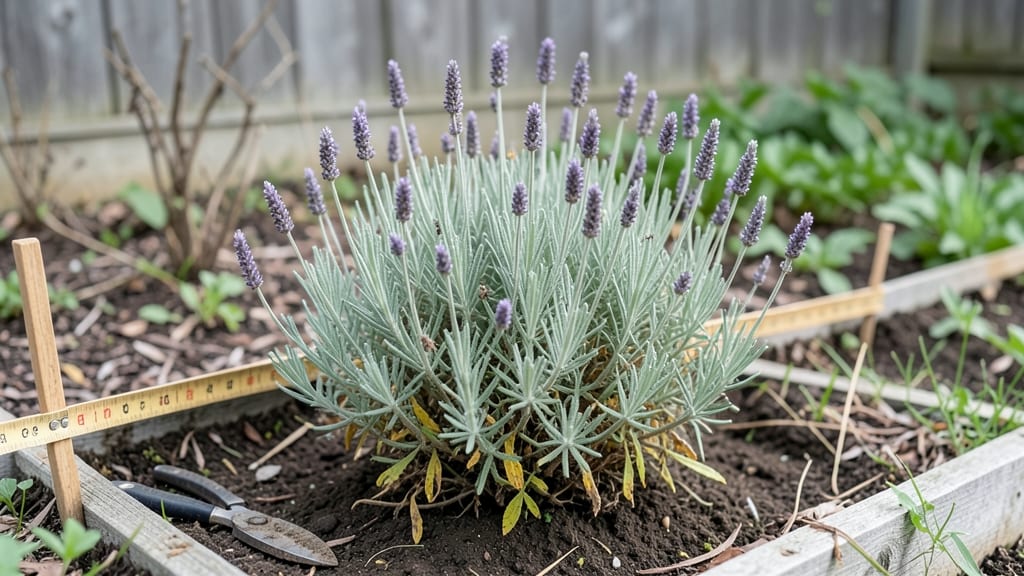
To determine how much space between garden beds is ideal, aim for 3 to 4 feet for most plants to ensure proper airflow, minimize disease risk, and allow easy access for tools like wheelbarrows or hoes. Larger plants or raised beds with pathways may require wider gaps of 4–6 feet.
Proper spacing isn't just about fitting plants—it's about creating an ecosystem where roots breathe, sunlight reaches all foliage, and pests have fewer hiding spots. 🌱 For instance, leafy greens like lettuce thrive with just 12 inches between plants, while fruit trees need 15–20 feet to avoid competing for nutrients.
I've found that wider pathways (like 3–4 feet) also make weeding and harvesting easier, especially in larger gardens where you're constantly moving between beds.
Another key factor is your garden's layout. If you're working with a small urban space, vertical gardening or tiered beds can maximize space while maintaining airflow.
For larger properties, consider creating gravel or mulch pathways that align with your spacing needs—they not only improve access but also help with drainage during rainy seasons.
💡 In This Article
- Optimal Garden Bed Spacing for Plant Health
- Designing Pathways and Accessibility in Garden Layouts
Optimal garden bed spacing for plant health
Root systems need space to expand without competing for nutrients. When plants are crowded, their roots tangle and struggle to access water and minerals, leading to stunted growth. For example, tomatoes need at least 2 feet of space to develop strong root systems that can support heavy fruit production.
The science behind this is simple: wider spacing allows roots to spread horizontally and vertically, creating a larger nutrient absorption zone. 🌿 Without proper room, roots become shallow and brittle, making plants more susceptible to drought and disease.
Sunlight exposure is another critical factor where spacing makes all the difference. Tall plants like corn or sunflowers can cast shadows that block light from reaching smaller plants beneath them. A 3-foot gap between rows ensures even sunlight distribution, which is vital for photosynthesis.
I've noticed that in my own garden, lettuce placed too close to tomatoes wilts prematurely because the tomato leaves create dense shade. Proper spacing also reduces humidity levels near the soil surface, which helps prevent fungal diseases like powdery mildew that thrive in damp, shaded conditions.
Disease prevention is directly tied to airflow. Fungal spores spread more easily in stagnant, humid air created by tightly packed plants. For instance, strawberries planted 18 inches apart stay healthier than those crammed together, as airflow prevents moisture from lingering on leaves.
The same principle applies to shrubs like hydrangeas, which need 3–5 feet of clearance to avoid fungal infections. Wider spacing also makes it easier to spot pests early, giving you time to intervene before an infestation takes hold.
Soil quality and irrigation efficiency improve with proper spacing too. Compacted soil between crowded plants becomes waterlogged or dry quickly, depending on the weather. A 4-foot pathway between beds allows for even water distribution and easier access with hoses or drip systems.
I've seen gardens where narrow pathways force water to pool in one area, leading to root rot in some plants while others dry out. Proper spacing ensures every plant gets consistent moisture without competition.
Different plant types have unique spacing needs based on their growth habits. Leafy greens like kale or spinach can thrive in 6–12 inches of space, while fruiting plants like blueberries need 4–6 feet to develop properly.
Perennials like asparagus require 18–24 inches initially but will spread over time, so plan for their mature size. Shrubs and small trees often need the most room—think 8–10 feet for a mature apple tree—to avoid root competition and ensure strong structural growth.
What most gardeners overlook is how spacing affects long-term maintenance. Tightly packed beds make weeding, pruning, and harvesting difficult, increasing physical strain. Wider pathways (like 3–4 feet) let you move comfortably with tools, reducing fatigue during long gardening sessions.
In my experience, a well-spaced garden isn't just healthier—it's more enjoyable to work in! 🌱