
Watering
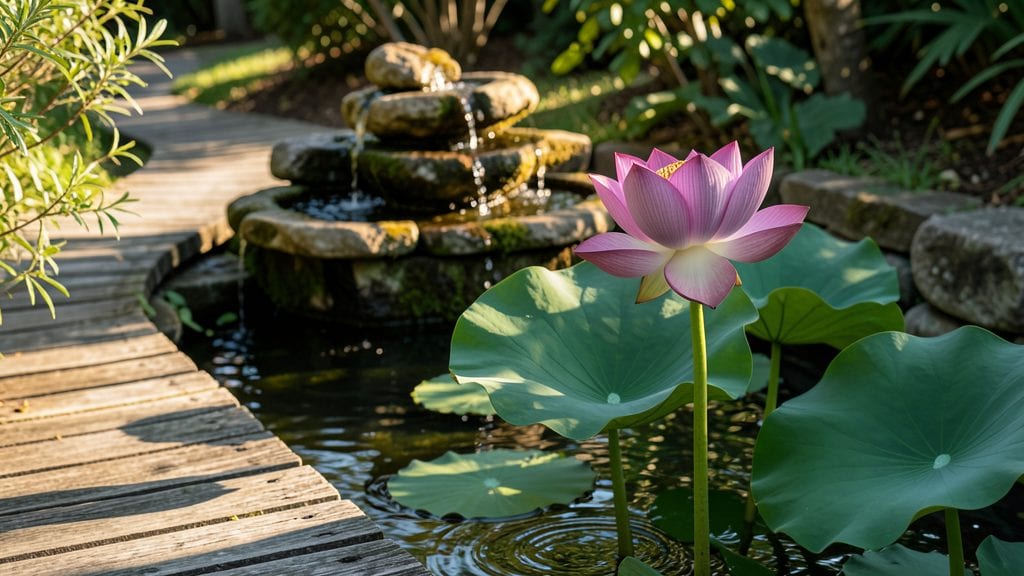
A water garden park transforms your backyard into a tranquil escape where water features and native plants create a living sanctuary. 💚 I designed my first one after years of dreaming about the sound of moving water and the way aquatic plants soften any space.
The key is balancing movement—whether from fountains, ponds, or streams—with the right plant choices that thrive in moist conditions.
You’ll need a few essentials: a waterproof liner or preformed pond for the basin, a small pump to create circulation, and native plants like water lilies, cattails, or pickerelweed that require minimal care.
The layout can be as simple as a single small pond or as elaborate as tiered waterfalls connected by stepping stones. My first attempt used a 6-foot diameter pond with a solar-powered fountain—it took one weekend to assemble and instantly changed the vibe of the yard.
Once established, your water garden park becomes a low-maintenance retreat. The plants filter water naturally, reducing algae, while the sound of trickling water drowns out neighborhood noise.
You’ll wake up to the sight of dragonflies darting over the surface and the scent of fresh mint or watercress if you include edible varieties. The secret to longevity? A 30% plant-to-water ratio and regular skimming of debris to keep the ecosystem balanced.
This design works for any backyard size—even a 4x6-foot patio can host a tabletop fountain with submerged plants. The biggest mistake? Overcomplicating the water feature. Start small, observe how the plants interact with the water, and expand as your confidence grows. Your oasis will reward you with serenity every season.
📚 In This Guide
- What you need
- Instructions
- Tips and common mistakes
- Wrapping up and next steps
What you need
- ● Water Feature: A small pond (4’x6’ minimum), waterfall, or fountain kit (choose based on space).
- ● Liner: EPDM pond liner (12–24 mil thickness, sized to fit your pond).
- ● Native Plants: Water lilies (3–5 plants)
- ● Cattails or rushes (2–4 plants)
- ● Marginal plants (e.g., pickerelweed or sweet flag, 5–10 plants)
- ● Pebbles/Gravel: 1–2 bags (for pond edges and filtration).
- ● Pump: Submersible pump (300–500 GPH for small ponds).
- ○ Fish (Optional): Hardy species like koi or goldfish (3–5 fish, if desired).
- ● Shovel, rake, and level
- ● Measuring tape and string (for marking pond shape)
- ● Waterproof sealant (for edges)
- ● Location: Partial shade (4–6 hours of sunlight), flat ground, and access to water.
- ● Permits: Check local regulations (some areas require approval for water features).
- ● Solar-powered lights or LED spotlights for ambiance
- ● Decorative rocks or bridges for aesthetic appeal
- ● Water treatment tablets (to maintain clarity)
- ● Benches or seating for relaxation
How to design a water garden park with native plants and features
Here's how to craft a tranquil water garden that thrives on natural beauty and low maintenance.
🪴 Step 1: Plan Your Water Features and Layout
Sketch your design on graph paper using a 1:10 scale to visualize proportions. Place the largest feature—a pond or waterfall—as the focal point, ensuring it receives 4-6 hours of sunlight daily for aquatic plants. I always orient the long axis of the pond east-west to maximize sunlight exposure while minimizing algae growth.
Position seating areas or pathways around the water's edge for natural viewing angles. Keep walkways 3-4 feet wide to accommodate wheelbarrows and easy access. Use a level to mark grade changes—water gardens drain best when the land slopes 1-2 inches per foot away from the pond.
💧 Step 2: Install Water Circulation and Filtration
Install a submersible pump (1,200-1,800 GPH) at the pond's deepest point to create gentle circulation. Connect it to a biofilter filled with lava rock or ceramic rings—these materials host beneficial bacteria that break down organic waste naturally. I bury the filter 12-18 inches deep in a waterproof box to keep it out of sight.
Add a solar-powered fountain (300-500 GPH) for aesthetic movement and oxygenation. Position it near the pond's edge so water cascades naturally back in. Test the system before planting—adjust flow rates until you see ripples but no splashing to minimize mosquito breeding.
☀️ Step 3: Plant Native Marginal and Aquatic Species
Start with marginal plants (those with roots in water but foliage above) along the pond's edge. Use picking sticks to create holes 2-3 inches deeper than the root ball for stable planting. I choose cattails, pickerelweed, and blue flag iris—they thrive in shallow water (1-6 inches deep) and attract pollinators while controlling erosion.
For deeper zones (6-18 inches), plant water lilies and submerged oxygenators like hornwort or anacharis. These plants compete with algae for nutrients, keeping water clear. Space lilies 2-3 feet apart—overcrowding leads to weak blooms and stunted growth. Use gravel or aquatic soil in planting pockets to anchor roots securely.
🌿 Step 4: Integrate Native Shoreline and Surrounding Plants
Frame the water garden with native shrubs and perennials to soften edges and attract wildlife. Plant buttonbush, swamp milkweed, and Joe Pye weed in moist but well-drained soil along the perimeter. These species tolerate occasional flooding and provide year-round interest with seasonal blooms and seed heads.
Add ground covers like creeping jenkinsia or wild ginger to suppress weeds and retain moisture. Mulch with 3-4 inches of shredded bark to reduce evaporation and regulate soil temperature. Keep mulch 6 inches away from plant stems to prevent rot—this is a common mistake that kills marginal plants.
⏰ Step 5: Maintain Water Quality and Ecosystem Balance
Test water parameters monthly using a DIY test kit (check pH, ammonia, nitrites). Aim for pH 6.5-7.5—outside this range, plants struggle and algae blooms take over. I add barley straw (a natural algaecide) in spring and fall to inhibit green water without chemicals.
Top off water weekly with dechlorinated tap water (let it sit 24 hours or use a dechlorinator). Skim debris daily with a fine-mesh net to prevent buildup. In late fall, drain and clean the filter, then reduce pump operation to minimum circulation until spring—this protects equipment and extends its life.
Tips & tricks for perfect water garden parks
A few strategic insights will help you create a water garden that's both stunning and sustainable.
Sunlight Strategy: In Step 1, when positioning your pond or waterfall, prioritize that 4-6 hours of direct sunlight hits the water daily. This is non-negotiable for aquatic plants like water lilies and submerged oxygenators. I've found that orienting the pond's long axis east-west captures consistent morning sun without the harsh afternoon glare that fuels algae growth. Place shade-loving marginal plants like blue flag iris on the north side where sunlight filters through more gently.
Water Feature Flow: When installing your circulation system in Step 2, remember that ripples but no splashing is the sweet spot for both aesthetics and mosquito control. I recommend testing your pump flow rates with a plastic cup floating in the water—if it tilts more than 15 degrees, you're creating too much surface agitation. Solar-powered fountains should create gentle cascades rather than dramatic sprays to maintain that serene atmosphere.
Planting Depth Precision: The 2-3 inches deeper planting technique in Step 3 is crucial for marginal plants. Use a picking stick to gauge depth—press it into the pond bottom until it reaches the desired depth, then create your planting hole. For water lilies in deeper zones (6-18 inches), I've discovered that adding a handful of aquatic soil mixed with gravel in the planting pocket creates a more stable base that prevents them from floating to the surface.
Mulch Placement: That 6 inches away from plant stems guideline in Step 4 is often overlooked, but it's vital for preventing rot in marginal plants. I've seen too many beautiful water gardens ruined by mulch touching stems, which creates a damp environment perfect for fungal growth. Use a small garden flag to mark mulch boundaries when installing ground covers like creeping jenkinsia.
Pro Tips for Water Garden Park
- A few strategic insights will help you create a water garden that's both stunning and sustainable.
- Sunlight Strategy: In Step 1, when positioning your pond or waterfall, prioritize that 4-6 hours of direct sunlight hits the water daily.
- Water Feature Flow: When installing your circulation system in Step 2, remember that ripples but no splashing is the sweet spot for both aesthetics and mosquito control.
Frequently asked questions
What’s the best time of year to plant a water garden?
The ideal time is early spring (after the last frost) or early fall when temperatures are mild. This gives plants time to establish roots before extreme heat or cold. If you’re adding fish or aquatic plants, wait until water temperatures stabilize—usually late spring—to avoid shocking them.
How often should I clean or maintain my water features?
Regular maintenance keeps your water garden park sparkling! Skim debris weekly, and partially drain and refill the water every 2–3 months to remove buildup. Use a pond vacuum for sediment, and trim overgrown plants seasonally. A small water feature may need less frequent care, but larger ponds benefit from a deeper clean once a year.
Can I add fish to my water garden park, and what species are best?
Yes! Hardy, cold-resistant fish like koi, goldfish, or rosy red minnows thrive in water gardens. Avoid tropical fish—they need warmer water. Start with 1–2 fish per 10 square feet of surface area, and research their size at maturity. Native plants and a small pump/filter help keep water clean and safe for them.
What are some low-maintenance native plants for a water garden?
Opt for hardy natives like cattails, pickerelweed, or water lilies—they’re drought-tolerant and support local wildlife. For edges, try blue flag iris or swamp milkweed. These plants require minimal fertilizing and thrive in your local climate, reducing upkeep while boosting biodiversity.
My water garden has algae—how do I fix it?
Algae blooms often signal too much sunlight, nutrients, or stagnant water. Start by adding more plants (they absorb excess nutrients), increasing water circulation with a fountain or aerator, and reducing direct sunlight with shade cloth. A barley straw treatment (natural algae inhibitor) can also help—just place it in a mesh bag in the water.
Will rain affect my water garden park?
Rain is usually a good thing—it topples up your water levels naturally! However, heavy storms can overfill ponds or erode edges. Install an overflow system or spillway to redirect excess water safely. If your garden is new, monitor water levels closely during the first few rains to adjust as needed.
Wrapping up and next steps
A Water Garden Park isn’t just a space—it’s a sanctuary where nature’s beauty thrives and tranquility reigns. 🌿 Whether you're designing a backyard retreat or simply dreaming of a peaceful escape, these water features and native plants create harmony with the environment.
The key? Start small, embrace sustainability, and let your creativity flow!
Ready to dive in? Plan your oasis today! Sketch a design, gather your materials, and watch your vision transform into a serene haven. Every ripple begins with a single drop—so take that first step and enjoy the journey! 💦✨