
Tools
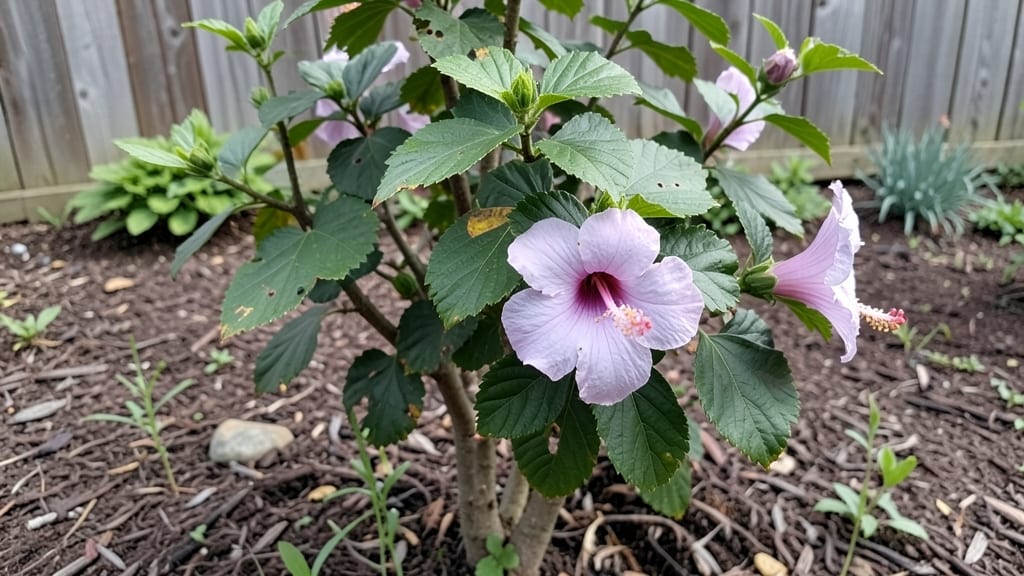
Transforming your backyard into a vista botanical garden starts with layering plants like a painter’s brushstrokes—each stroke adding depth, texture, and seasonal drama.
I stumbled upon this approach after visiting a public botanical garden where the magic wasn’t just in the plants, but in how they framed each other: towering conifers anchoring the scene, mid-height shrubs creating pockets of shade, and cascading perennials spilling over edges like watercolors bleeding onto paper.
The key isn’t buying rare specimens—it’s arranging what you already have with intention. Start with a sun-loving focal point (a tree, sculpture, or bench) and build outward in three dimensions: tall plants at the back, medium-height in the middle, and low-growing ground covers up front.
My own "garden rooms" now feel like secret sanctuaries, with pathways winding through them like ribbons. The best part? This layout works in any size space, from a postage-stamp patio to a half-acre yard.
By summer, you’ll have a garden that feels like a curated escape—not just a collection of plants. The conifers will provide year-round structure, spring bulbs will pop through the ground cover, and fall foliage will turn your view into a fiery tapestry.
Even winter brings interest with evergreens and architectural branches dusted in frost. The secret weapon? Planting in odd-numbered groups (threes or fives) so the eye lingers instead of skimming past.
This isn’t about perfection—it’s about creating movement and mood. Start small: designate one corner as your "experiment zone" and play with height, color, and texture there. Before you know it, your whole yard will tell a story, just like a botanical garden does.
The layers will reveal themselves season by season, and every visit will feel like discovering something new.
📚 In This Guide
- What you need
- Instructions
- Tips and common mistakes
- Wrapping up and next steps
What you need
- ● Native Plants: 15-20 mature plants (mix of shrubs, perennials, and ground covers like Ceanothus, Manzanita, and Salvia)
- ● Soil Amendments: 5 bags (20 lb each) of compost + 2 bags of organic mulch
- ● Watering System: Drip irrigation kit (with 50 ft of tubing and 8 emitters)
- ● Hardscaping: 10-12 pavers (for pathways) + 2-3 boulders (for focal points)
- ● Shovel, trowel, and pruning shears
- ● Wheelbarrow (for hauling soil/mulch)
- ● Measuring tape + level
- ● String line (for layout planning)
- ○ Optional: Edging tool, leaf blower, and knee pads
- ● Sunlight analysis (note shade vs. sun exposure in your space)
- ● Local climate research (check USDA hardiness zone)
- ● Permits (if adding hardscaping or major water features)
- ● Pro Tip: Sketch a rough layout before shopping—Vista Botanical Garden thrives on intentional layers! 🎯
How to design a Vista botanical garden-inspired landscape
This layered approach creates drama and seasonal interest—just like the pros do.
Plan Your Garden’s Foundation Layers
Start by sketching your space and dividing it into four distinct layers: the backdrop, mid-layer, ground cover, and focal points. The backdrop should feature tall, structural plants like ornamental grasses or evergreen shrubs to create a lush background year-round. I like to use Arundo donax (giant reed) or Ilex crenata (boxwood) for this purpose—they add height and texture without overwhelming the design.
Next, map out the mid-layer with medium-height plants that will fill the space behind your seating areas or pathways. Think hydrangeas, azaleas, or camellias—these thrive in partial shade and offer bursts of color in spring and summer. Leave 18-24 inches between each plant to allow for mature growth and easy maintenance.
Add Seasonal Interest with Strategic Planting
To mimic the Vista Botanical Garden’s year-round beauty, incorporate plants that bloom or change color at different times. For example, spring bulbs like daffodils or tulips should go in the ground cover layer, followed by summer annuals such as impatiens or begonias. In fall, mums or ornamental kale will keep things vibrant, while evergreen perennials like heuchera or sedum ensure winter interest.
I always group plants with similar water needs together—this makes irrigation easier and prevents over- or under-watering. For instance, place drought-tolerant lavender or rosemary near the edges of the garden where they won’t compete with thirstier plants for moisture.
Create Focal Points with Textural Contrast
No botanical garden feels complete without a few standout features. Add sculptural elements like a large agave, a topiary, or a stone feature to draw the eye. At Vista, you’ll see how bold foliage plants—such as corsican pine or bird-of-paradise—anchor the design while adding height and drama.
For a softer touch, incorporate water features like a small fountain or bubbling stone basin. Even a simple birdbath can attract wildlife and add movement to the space. Place these near seating areas so visitors can enjoy the soothing sounds and visual appeal.
Layer in Hardscaping for Structure
To tie everything together, use paths, boulders, or wooden decks to define spaces and guide visitors through the garden. I recommend gravel pathways for drainage and a natural look, or stepping stones to create a meandering walkway. Add wooden benches or stone seating in shaded areas for relaxation.
Don’t forget to incorporate lighting—uplighting for trees, path lights for safety, and string lights for ambiance. At night, the garden should still feel magical, just like Vista’s illuminated displays. Test your lighting layout during dusk to ensure it enhances the space without overpowering it.
Maintain for Long-Term Lushness
Once planted, mulch generously (3-4 inches deep) to retain moisture, suppress weeds, and protect roots. I use shredded bark or pine straw—both break down slowly and improve soil health over time. Water deeply once a week during the first growing season to encourage strong root development, then adjust based on rainfall and plant needs.
Prune regularly to keep plants healthy and shaped. For example, trim back overgrown hydrangeas in late winter and deadhead spent blooms throughout the season. This keeps the garden looking intentional and well-cared-for, just like the professionals at Vista.
Tips & tricks for perfect Vista botanical garden-inspired layout
Creating a botanical garden that rivals Vista’s beauty starts with these key strategies that bring professional-level design to your backyard.
Layer Like the Pros: In Step 1, when planning your four layers, remember that the backdrop should be at least twice as tall as your tallest mid-layer plants. This creates that dramatic vertical interest Vista is known for. For example, if your mid-layer features 3-foot hydrangeas, your backdrop should include 6-foot ornamental grasses or shrubs like Ilex crenata. This height difference ensures your garden has that signature layered look.
Seasonal Planting Secret: The key to year-round beauty in Step 2 is overlapping bloom times. When selecting spring bulbs, choose varieties that bloom at different times—early daffodils followed by tulips, then alliums. This creates continuous color rather than one brief burst. I also recommend adding evergreen perennials like heuchera or sedum to fill gaps when other plants are dormant.
Focal Point Placement: In Step 3, when adding sculptural elements, position them where they'll be visible from your main seating area. The rule of thirds works well here—place your largest focal point slightly off-center to create visual balance. For example, if your seating area is centered, place your agave or topiary in the left third of the space rather than directly behind the bench.
Lighting Layout Tip: When implementing Step 4's lighting plan, test your setup during actual evening hours rather than just at dusk. Lighting behaves differently as the sky darkens, and you want to ensure your uplighting highlights the textures of your plants while path lights remain functional. I recommend using warm white LEDs (2700K-3000K) to create a cozy, inviting atmosphere that complements the garden's natural beauty.
Pro Tips for Vista Botanical Garden
- Creating a botanical garden that rivals Vista’s beauty starts with these key strategies that bring professional-level design to your backyard.
- Layer Like the Pros: In Step 1, when planning your four layers, remember that the backdrop should be at least twice as tall as your tallest mid-layer plants.
- Seasonal Planting Secret: The key to year-round beauty in Step 2 is overlapping bloom times.
Frequently asked questions
Planning your own Vista Botanical Garden-inspired layout? Here are some answers to common questions to help you get started—so you can create a stunning, low-maintenance garden that blooms all year long!
What’s the best time of year to start planting for a Vista Botanical Garden-style layout?
The ideal time depends on your climate, but most plants thrive when planted in early spring (after the last frost) or fall (6-8 weeks before the first frost). For Mediterranean-style gardens (like Vista’s), prioritize drought-tolerant perennials and shrubs in spring or late winter. Pro tip: Check your USDA hardiness zone to match planting times to your region!
How much water do these plants really need once established?
Once mature, Vista Botanical Garden-inspired plants—like lavender, rosemary, and succulents—are extremely drought-tolerant! Aim for 1–1.5 inches of water per week (including rainfall) during the first year. After that, most only need watering every 2–3 weeks unless your area experiences extreme heat. Pro tip: Use drip irrigation or soaker hoses to deliver water directly to roots and reduce waste.
Can I mix Vista Botanical Garden plants with native species for a hybrid look?
Native plants often pair beautifully with Vista’s Mediterranean palette—just ensure they share similar light, soil, and water needs. For example, pair California native ceanothus (wild lilac) with lavender or rosemary for a cohesive, pollinator-friendly garden. Pro tip: Research native plants that thrive in your area to create a low-water, high-impact hybrid design.
What’s the most common mistake people make when replicating this style?
The biggest mistake? Overcrowding plants or ignoring spatial layers (tall, medium, and ground cover). Vista Botanical Garden thrives on airflow and sunlight penetration—so space shrubs 3–5 feet apart and avoid planting too densely. Another pitfall? Skipping mulch (use gravel or wood chips) to retain moisture and suppress weeds. Pro tip: Start small and expand gradually to avoid overplanting!
Where can I find Vista Botanical Garden-inspired plants at a reasonable price?
Local nurseries specializing in drought-tolerant or Mediterranean plants are your best bet for quality and variety. Check:
- Online: The Nursery (the-nursery.com), Plant Delights, or local Facebook Marketplace groups.
- In-person: Native plant societies, botanical garden sales, or big-box stores (like Home Depot or Lowe’s) in the spring.
- Budget hack: Divide mature plants from friends’ gardens or check plant swaps in your area!
Pro tip: Buy in early spring for the best selection and prices!
Wrapping up and next steps
Vista Botanical Garden proves that year-round beauty is all about thoughtful layering—mixing textures, colors, and seasonal blooms for a garden that always feels alive. Whether you’re a seasoned gardener or just starting, this inspired layout offers a roadmap to create a space that’s as rewarding to nurture as it is to admire. 🌿
Ready to transform your outdoor space? Start small—pick one layer (like perennials or ground cover) and build from there. Before you know it, your garden will be as stunning as Vista’s, one season at a time!