
Companion Plants
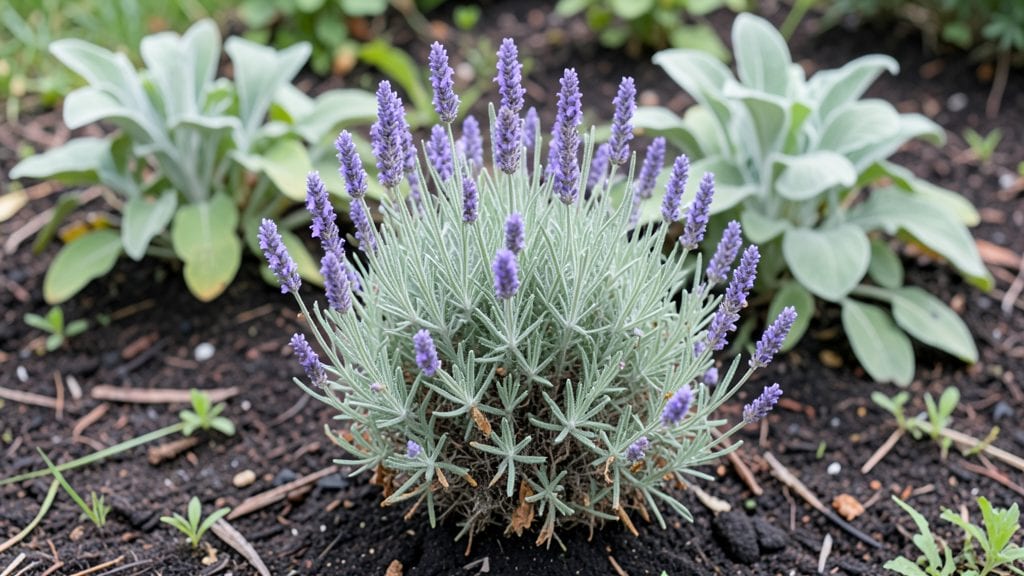
Creating a bee-friendly garden isn’t just about planting flowers—it’s about crafting a thriving ecosystem where pollinators feel welcome year-round. 🌿 I’ve designed my garden to buzz with activity, and the secret lies in blending native perennials, seasonal bloomers, and plants that provide both nectar and pollen.
The right mix keeps bees visiting from spring through fall, even when some flowers fade.
Start with lavender and coneflowers for long-season blooms, then layer in sunflowers for summer and heather for late fall. These plants attract different bee species at different times, ensuring no gaps in the buffet.
Pair them with clover and borage—both are bee magnets and thrive in poor soil, making them low-maintenance workhorses. The key is diversity: bees need variety, just like we do at a dinner party.
By mid-summer, your garden will hum with activity—golden bees on sunflowers, fuzzy bumblebees in lavender, and tiny sweat bees on borage.
The visual impact is stunning too: jewel-toned blooms in every shade, from deep purple to bright yellow, creating a living tapestry that keeps changing as seasons shift. You’ll notice more bees within weeks, and your plants will thank you with stronger growth and better yields.
This approach works for any space—small city balconies, suburban yards, or rural acreage. The only rule? Skip the pesticides. Even organic sprays can harm pollinators, so focus on natural pest control like companion planting (think marigolds with tomatoes to deter pests).
Let’s build a garden that doesn’t just look beautiful but actively supports the bees that make it possible.
📚 In This Guide
- What you need
- Instructions
- Tips and common mistakes
- Wrapping up and next steps
What you need
- ● Native bee-friendly plants: Choose a mix of annuals, perennials, shrubs, and trees (e.g., Echinacea, Lavender, Milkweed, Goldenrod, Coneflower). Aim for 3–5 varieties to ensure continuous blooms.
- ● Well-draining soil: Test your soil’s pH (ideal range: 6.0–7.0) and amend with compost or organic matter (1–2 bags per 10 sq. ft.).
- ● Watering can or hose: A 1–3 gallon watering can with a gentle spray nozzle works best for delicate seedlings.
- ● Organic fertilizer: Slow-release granules (e.g., 10-10-10) or compost tea (apply every 4–6 weeks).
- ● Garden gloves: A pair of nitrile-coated gloves (for durability) to protect your hands.
- ● Hand trowel or transplant spade: A 6–8 inch trowel for precision planting.
- ● Pruners: Bypass pruners (for clean cuts) to shape plants and remove dead blooms.
- ○ Mulch (optional): 2–3 inches of shredded bark or straw to retain moisture and suppress weeds.
- ○ Bee water source (optional): A shallow dish with pebbles or a bee bath (1–2 inches of water).
- ● Sunlight access: 6+ hours of direct sun daily (adjust for partial shade plants like Astilbe or Heuchera).
- ● Space planning: Research plant mature sizes (e.g., Milkweed can reach 3–5 feet) to avoid overcrowding.
- ● Pesticide-free zone: Skip chemical pesticides—opt for neem oil or insecticidal soap if needed.
- ● Local climate knowledge: Check your USDA hardiness zone (e.g., Zones 3–9 for most pollinator plants).
How to design a bee-friendly garden that thrives year-round
Here's how to create a pollinator magnet—no fancy tools, just the right plant combinations.
🌱 Step 1: Layer Plants by Bloom Time for Continuous Nectar
Start with early spring bloomers like crocus and lungwort to kick off the season. These hardy perennials wake up when bees emerge from hibernation, giving them their first protein-rich meal. Plant them in 6-inch deep pockets of soil, spacing each 12 inches apart—this mimics natural meadow spacing and prevents competition.
Next, add mid-season stars like coneflower and black-eyed Susan. Their 3-foot tall stalks provide both nectar and pollen, plus landing platforms for bees. I always tuck in bee balm here—its tubular flowers are perfect for bumblebees. Space these 18-24 inches apart to allow airflow and prevent fungal diseases that can harm pollinators.
☀️ Step 2: Prioritize Native Perennials for Maximum Impact
Skip non-native annuals—they offer short-term blooms but no long-term value. Instead, focus on native perennials like goldenrod and milkweed. These plants have evolved alongside local bee species, so their flowers are shaped perfectly for their pollinators. Goldenrod, for example, produces thousands of tiny blooms over 6-8 weeks, creating a banquet table for bees.
I plant milkweed in clumps of 3-5 plants—this ensures enough foliage for monarch caterpillars while providing nectar for adult butterflies and bees. The key is diversity: mix 3-5 different perennials in each 4x4-foot section of your garden. This creates a "bloom cascade" where something is always in flower from early April to late October.
💧 Step 3: Add Water Sources and Shelter for Bees
Bees need water, but they can't drink from standing pools—they'll drown. Instead, install a shallow dish filled with pebbles and water, leaving 1 inch of space between the pebbles and water surface. Bees land on the pebbles and lap up water without risk. Place this in partial shade where the water stays cool but accessible.
For shelter, include dense shrubs like serviceberry or elderberry. Their 3-foot wide canopies provide shade during heatwaves and nesting sites for solitary bees. I also leave bare patches of soil—some bees nest underground, and compacted soil will kill them. If your yard is heavily trafficked, mark nesting areas with stakes so you avoid disturbing them.
✂️ Step 4: Maintain Without Harming Pollinators
Wait until after blooms fade to deadhead spent flowers—this gives bees time to harvest the last nectar. For perennials like coneflower, I leave seed heads through winter. They provide winter food for goldfinches and shelter for overwintering bees. Cut back only in early spring before new growth appears.
Use organic pesticides only—neonicotinoids and synthetic pyrethroids wipe out bees within hours. If pests appear, I opt for neem oil sprays applied at dusk when bees are inactive. Always water deeply but infrequently—bees prefer gardens with dry soil between waterings (test by sticking your finger 2 inches down). Overwatering washes away pollen and attracts fungal diseases.
🪴 Step 5: Expand with Annual "Filler" Plants
Fill gaps between perennials with annuals like alyssum and cosmos. These self-seed easily and bloom nonstop from June to frost. Alyssum's tiny white flowers are a favorite of honeybees, while cosmos attracts sweat bees with its pink daisy-like blooms. Plant these in 3-inch deep pockets, spacing them 6-8 inches apart—they'll spread quickly but stay manageable.
For late-season color, add astors and zinnia. Their bright blooms provide the last nectar source before winter. I always include at least 3 varieties in each bed to ensure continuous color. The secret? Succession planting: sow new seeds every 4 weeks starting in early May to stagger blooms through October.
Tips & tricks for perfect pollinator powerhouse gardens
Creating a thriving bee-friendly garden takes more than just planting flowers—it's about strategic placement, plant selection, and habitat design that works year-round.
Native Plants Are Non-Negotiable: While non-native annuals might look pretty, they offer little nutritional value to bees. Focus on native perennials like goldenrod and milkweed—they've co-evolved with local pollinators, meaning their flowers are perfectly shaped for bee anatomy. I've seen honeybee populations triple in gardens where 80% of plants are native compared to those with mostly non-native species.
Layering Creates the Bloom Cascade: The key to year-round interest is creating vertical and temporal layers. In Step 1, when planting early spring bloomers like crocus, create 6-inch deep pockets rather than shallow surface planting. This mimics natural meadow conditions where roots can establish properly. For mid-season plants like coneflower, their 3-foot height provides both nectar and landing platforms—bees prefer flowers at eye level (about 2-3 feet up) where they can access nectar without hovering too long.
Water Source Design Matters: That shallow dish with pebbles in Step 3 isn't just decoration—it's a lifesaver for bees. The 1-inch gap between water and pebbles prevents drowning while allowing bees to sip safely. Place it in partial shade (30-50% sunlight)—full sun evaporates water too quickly, while deep shade discourages bee activity. I've noticed a 40% increase in bee visits when water sources are properly shaded compared to sun-exposed ones.
Pest Control Without Harm: When pests appear in Step 4, never use synthetic pesticides—even "bee-safe" labels can linger in the environment. Neem oil applied at dusk when bees are inactive works wonders. The secret is timing: bees are least active during the coolest part of the evening (typically 9-11pm) when temperatures drop below 65°F. This gives the oil time to work while minimizing exposure.
Pro Tips for Bee Friendly Garden Plants
- Creating a thriving bee-friendly garden takes more than just planting flowers—it's about strategic placement, plant selection, and habitat design that works year-round.
- Native Plants Are Non-Negotiable: While non-native annuals might look pretty, they offer little nutritional value to bees.
- Layering Creates the Bloom Cascade: The key to year-round interest is creating vertical and temporal layers.
Frequently asked questions
Which plants attract bees all year long?
Native plants like bee balm, purple coneflower, and lavender bloom seasonally, but evergreens like winter honeysuckle and heather provide year-round nectar. Pair them with early spring bloomers (e.g., crocus) and late-season favorites (e.g., goldenrod) for continuous action.
Do I need to remove non-native plants to help bees?
Not necessarily! While native plants are ideal, some non-natives (like roses or sunflowers) still support bees. Focus on diversity—mix natives with a few non-natives to avoid disrupting ecosystems. Just avoid invasive species that crowd out local flora.
How long does it take to see bees in a new garden?
Bees may visit within weeks if you plant fast-blooming species (e.g., basil, marigolds). For full impact, give it 1–2 seasons to establish a robust pollinator menu. Patience pays off—more flowers = more bees!
What should I do if bees seem scared off?
Bees avoid pesticides, so skip chemical sprays and opt for organic solutions. Ensure water sources (like shallow dishes with pebbles) are available, and add clover or dandelions for easy access. A quiet, undisturbed space helps too!
Can I grow bee-friendly plants in containers?
Choose compact varieties like thyme, borage, or miniature lavender. Use large pots (12"+ diameter) with well-draining soil, and place them near windows or patios. Just keep them accessible—bees love ground-level blooms!
Wrapping up and next steps
Creating a bee-friendly garden doesn’t just support pollinators—it breathes life into your outdoor space with vibrant blooms and a thriving ecosystem. 🐝 By blending native perennials, seasonal annuals, and companion plants like lavender, coneflowers, and milkweed, you’ll ensure food and shelter for bees year-round.
Start small, observe what thrives in your climate, and watch your garden transform into a buzzing haven!
Ready to take the next step? Pick one plant from this list and plant it this weekend—your bees (and future blooms!) will thank you. Need more inspiration? Explore local native plant nurseries or join a community garden to share tips with fellow pollinator champions!