
Neem Oil
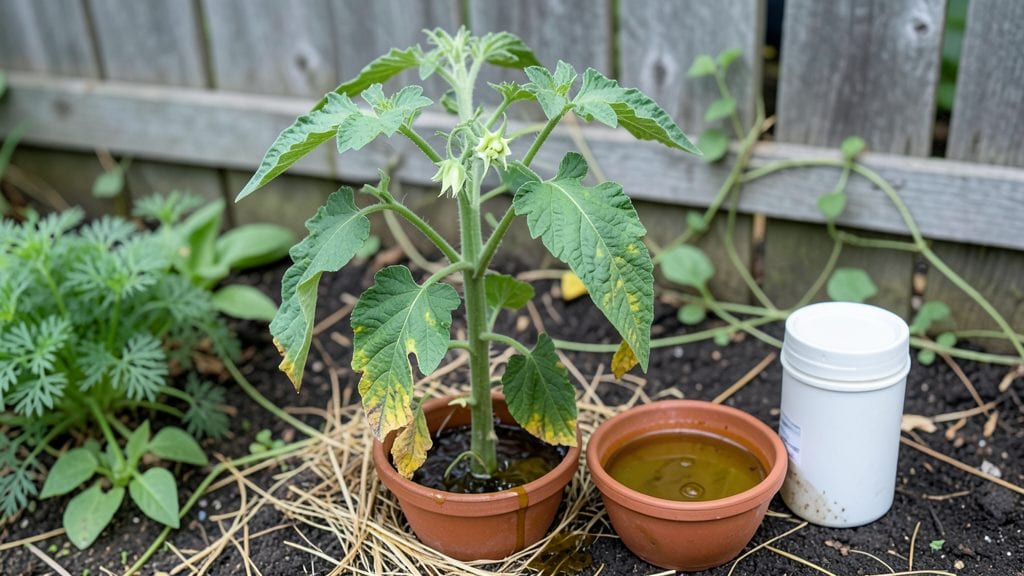
This plant-based powerhouse works by disrupting insect life cycles and inhibiting fungal growth, making it a go-to for organic gardeners. 🌱 The active compounds—like azadirachtin—confuse pests' feeding patterns, while its antifungal properties prevent mold and mildew from taking hold.
Beyond pest control, it enhances soil structure and microbial diversity, giving plants the resilience they need to thrive without harsh chemicals.
For best results, I recommend mixing it with water and a mild soap (like castile) to help it stick to leaves. Apply it in the early morning or late afternoon to avoid burning plants under direct sunlight.
The key is consistency—reapply every 7-14 days during active pest seasons, and you’ll see healthier plants with fewer problems.
💡 In This Article
- How Neem Oil Works Against Garden Pests and Fungi
- DIY Neem Oil Spray Recipes for Targeted Garden Solutions
How neem oil works against garden pests and fungi
The real magic of neem oil lies in its complex chemical profile, particularly two compounds: azadirachtin and nimbin. Azadirachtin acts as a feeding deterrent and growth regulator for insects, disrupting their hormonal balance.
When pests like aphids or whiteflies consume treated plants, this compound interferes with their molting process, preventing them from reaching maturity. 🔥 The result? Their populations dwindle naturally as adults fail to reproduce.
This is different from synthetic pesticides that simply kill insects on contact—neem oil actually breaks their life cycles.
Nimbin plays a secondary but crucial role by acting as an antifeedant and repellent. It triggers a bitter taste response in insects, causing them to avoid treated plants entirely. Studies show that nimbin can reduce feeding by up to 80% in certain pests within hours of application.
The oil also contains salannin and gedunin, which have direct toxic effects on fungal spores, preventing them from germinating and spreading diseases like powdery mildew or black spot.
For plants, neem oil works by creating a protective barrier on leaves and stems. The oil's fatty acids form a thin film that repels water, making it harder for fungal spores to land and take hold.
When applied as a soil drench, it stimulates beneficial microbes while suppressing harmful pathogens. 🌱 The key is that neem oil doesn't just mask problems—it actively improves plant physiology by enhancing root development and stress resistance, making plants stronger against future attacks.
What's fascinating is how neem oil affects different pests at various life stages. For example, it's particularly effective against aphid nymphs because azadirachtin prevents their metamorphosis into adults. Meanwhile, for fungal diseases like early blight, the oil's antifungal properties inhibit spore germination by disrupting the cell membranes of fungal pathogens.
This dual-action approach makes neem oil more effective than single-purpose treatments.
Temperature plays a role in its effectiveness too. Neem oil works best when applied between 60-90°F—below 50°F, its compounds become less active, while above 95°F, it can volatilize too quickly.
That's why early morning or late afternoon applications work best, giving the oil time to adhere to plant surfaces without breaking down in direct sunlight.
The oil's versatility comes from its ability to target multiple pest types simultaneously. Unlike chemical pesticides that often require different products for insects vs. fungi, neem oil handles both while also improving soil health. This makes it a cornerstone of integrated pest management systems in organic gardening. 💫