
Advice
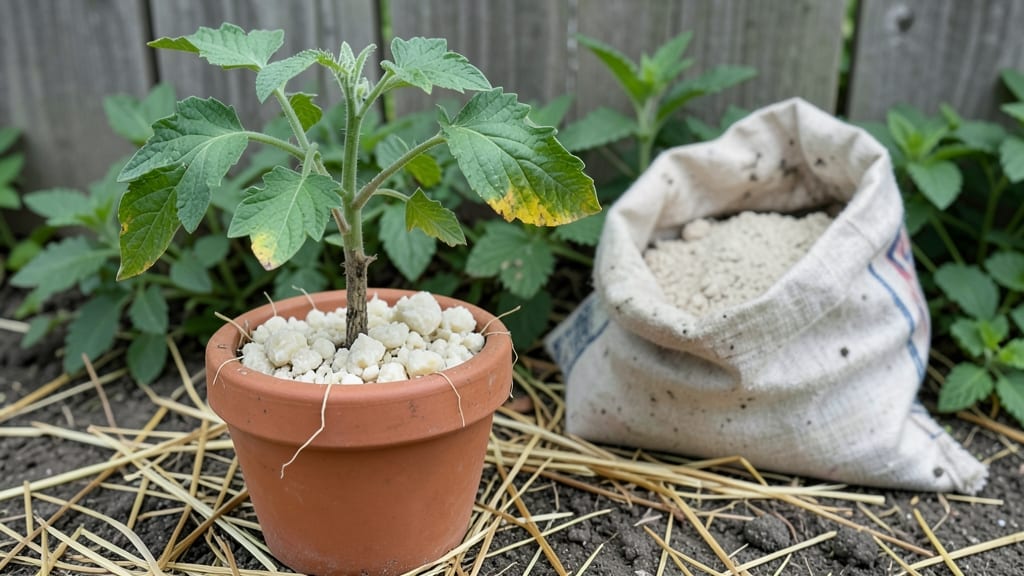
Castile soap for garden is a versatile natural solution that doubles as an insecticide and plant cleaner when used correctly—it targets soft-bodied pests like aphids, mites, and whiteflies while keeping your plants and beneficial insects safe.
This plant-based cleaner works by breaking down the waxy protective layers on pests, causing dehydration without leaving toxic residues. 🌿 The key is dilution—too much can damage foliage, while the right ratio (typically 1 tablespoon per quart of water) makes it effective yet gentle.
I’ve seen it transform gardens struggling with aphid infestations within days of consistent use, especially when applied in early morning or evening to avoid sunburn on leaves.
For even better results, pair it with neem oil or garlic to boost pest-repelling properties. Just remember: always test on a small plant area first, and avoid spraying during blooming periods to protect pollinators.
💡 In This Article
- How Castile Soap Kills Pests Without Harming Plants
- DIY Castile Soap Spray Recipes for Garden Use
How Castile soap kills pests without harming plants
Here's what's actually happening when you spray diluted Castile soap on garden pests: the soap's active ingredients—primarily potassium salts of fatty acids like lauric and oleic acid—disrupt the waxy cuticle layer that protects soft-bodied insects.
This layer acts like a waterproof seal for pests, and when soap molecules penetrate it, they create tiny pores that cause rapid dehydration. The key difference from synthetic pesticides is that Castile soap doesn't poison pests internally—it simply dries them out by breaking their protective barrier.
The fatty acid concentration in Castile soap typically ranges from 20-30%, but garden use requires dilution to 0.25-2.5% (about 1-2 tablespoons per gallon of water) to be plant-safe.
Too much soap (above 2.5%) can damage plant leaves by stripping their natural oils, causing brown spots or leaf burn. This is why commercial garden soaps are often 90% diluted—they're designed to be gentle yet effective.
The soap's mechanism is selective: hard-bodied insects like beetles have thicker exoskeletons that resist penetration, while aphids and mites (with their soft, permeable bodies) are highly vulnerable.
What most people don't realize is how the soap's pH plays a role too. Castile soap has a mild alkaline pH (around 8-9), which helps break down the waxy layers while being gentle enough for plant foliage.
Unlike synthetic pesticides that accumulate in soil or harm beneficial insects, Castile soap breaks down completely within 24-48 hours after application, leaving no toxic residues. This makes it particularly valuable for organic gardens where pollinators like bees must remain unaffected.
The soap's action is immediate but not persistent—pests may return if not treated regularly.
For comparison, synthetic insecticides often contain neonicotinoids or pyrethroids that work by disrupting insect nervous systems, which can harm beneficial predators like ladybugs. Castile soap's mechanical action (physical disruption) makes it safer for the broader ecosystem.
However, there's a critical timing factor: always apply when temperatures are below 85°F and avoid spraying when flowers are open to protect pollinators. The soap's effectiveness drops significantly in direct sunlight, which is why early morning or evening applications work best.
One common misconception is that all Castile soaps work equally well in gardens. The best options contain unsaponified oils (typically 5-10% remaining) which enhance the soap's ability to cling to plant surfaces and pests.
Cold-processed Castile soaps generally perform better than hot-processed varieties for garden use because they retain more of these beneficial oils. When properly diluted, you'll notice pests like aphids start dropping off within 30-60 minutes of application, while their populations decline significantly within 3-5 days of consistent treatment.
For maximum safety, always use liquid Castile soap (not bar soap) as it dissolves more evenly in water. The golden ratio for most garden pests is 1 tablespoon per quart of water, but for heavy infestations, you can increase to 2 tablespoons per gallon.
Just remember: the gentler approach works best in the long run—harsher concentrations might kill pests faster but risk damaging your plants too. 🌱