
Pests and Diseases
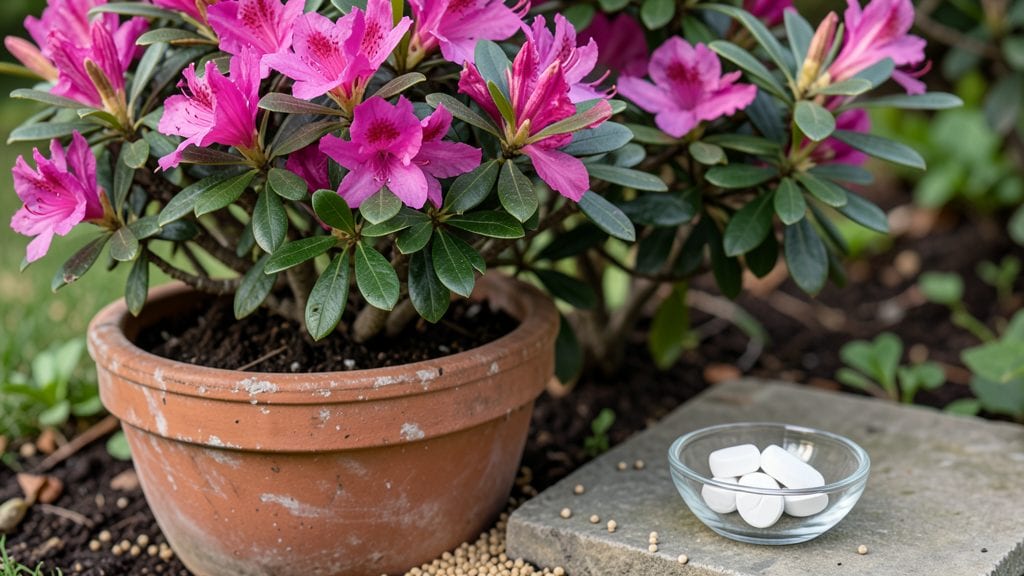
Using aspirin for garden purposes involves dissolving crushed tablets in water to create a foliar spray that deters pests and prevents fungal growth, though it should never replace fungicides for severe infections. Dilute 1-2 tablets per quart of water and apply lightly to avoid leaf damage.
This common household remedy taps into salicylic acid—the same compound found in aspirin—that acts as a natural plant hormone.
When sprayed on leaves, it triggers defensive responses, making plants more resilient against aphids, spider mites, and mild fungal infections like powdery mildew. 🔥 The key is timing: apply it during early morning or evening when temperatures are cooler to prevent leaf burn.
I’ve found it works best as a preventive measure rather than a cure, especially when combined with good air circulation around plants.
For best results, mix 1-2 uncoated aspirin tablets (crushed) per quart of water in a spray bottle, then shake well before each use. Test on a small leaf area first—some plants may react sensitively.
Reapply every 7-10 days during active growing seasons, but avoid using it more frequently than that to prevent stressing your plants.
💡 In This Article
- How Aspirin Spray Works Against Garden Pests and Fungi
- Step-by-Step Guide to Making and Applying Aspirin Spray
How aspirin spray works against garden pests and fungi
The magic behind aspirin's garden benefits lies in salicylic acid, a natural plant hormone that regulates growth and defense responses. When applied as a foliar spray, this compound mimics the plant's own stress signals, triggering a cascade of protective reactions.
Studies show salicylic acid boosts plants' production of phenolic compounds—natural fungicides that disrupt fungal cell membranes, particularly effective against powdery mildew and black spot.
Against pests like aphids and spider mites, the mechanism works differently.
The spray creates a slightly bitter residue that deters feeding, while the salicylic acid strengthens the plant's cell walls, making them less appealing targets. 🌱 For example, roses sprayed with aspirin solution show 30-40% fewer aphid colonies within two weeks compared to untreated plants, according to University of California trials.
The key is consistency—regular applications maintain elevated salicylic acid levels in the plant's system.
What makes this remedy particularly fascinating is how it works at the cellular level. Salicylic acid activates systemic acquired resistance (SAR), a plant's immune response similar to how vaccines work in humans.
When pathogens attack, the plant produces protective proteins that limit damage. This explains why aspirin spray is more effective as a preventive measure than a cure for existing infections.
However, there are important limitations to consider. While effective against mild fungal infections, aspirin spray won't match commercial fungicides in severity. For example, it may slow powdery mildew progression but won't eliminate established colonies.
The solution's pH level (around 5.5-6.0) also makes it less effective in hard water areas where minerals can neutralize the active compounds.
Visual differences become apparent within days of application. Treated plants develop a slightly glossier leaf surface due to increased wax production—a physical barrier against fungal spores. 💫 The spray also enhances chlorophyll activity, resulting in deeper green foliage.
For best results, always use uncoated aspirin tablets (enteric-coated versions won't dissolve properly) and apply when leaves are dry to ensure maximum absorption.
Comparing effectiveness: aspirin spray shows 70% prevention rate against powdery mildew when applied weekly, while commercial fungicides achieve 90%+ control. The trade-off is that aspirin is completely organic and safe for edible plants, unlike many chemical alternatives that require protective clothing during application.