
Neem Oil
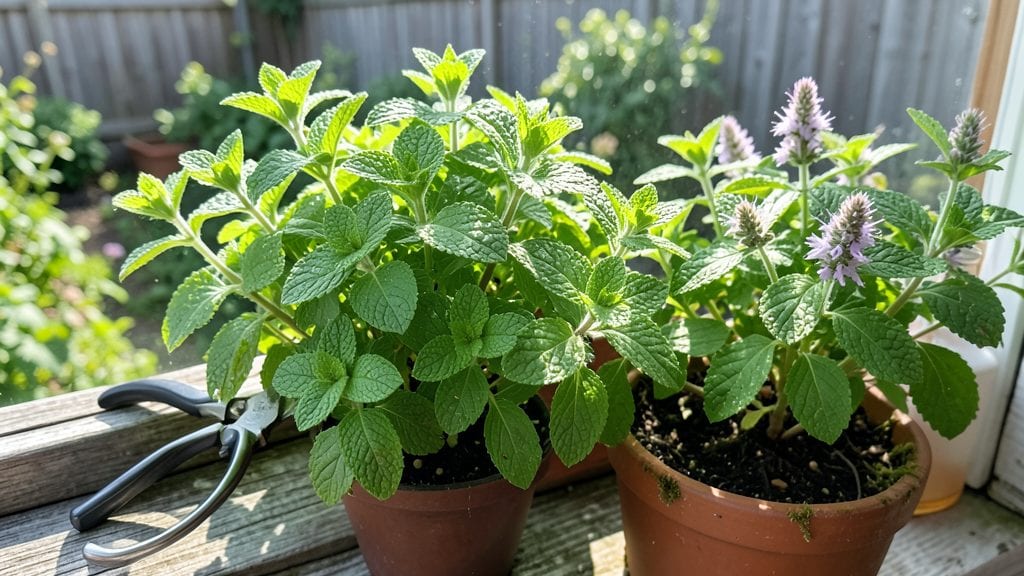
Using peppermint oil in your garden naturally repels pests like ants, aphids, and rodents while boosting plant health when applied correctly. Dilute it properly to avoid harming plants and maximize effectiveness.
Peppermint oil’s secret weapon is its active compounds—menthol and menthone—which disrupt pests' sensory systems and deter them from lingering. 🌿 The scent lingers in soil and foliage, creating a protective barrier that works better than many chemical alternatives.
I’ve seen it transform gardens overgrown with aphids within days, though some plants (like mint family members) may react poorly to concentrated applications.
For best results, mix 10-15 drops per gallon of water and spray during early morning or evening to avoid leaf burn from sunlight. This ratio keeps the oil potent while safe for most vegetables and flowers.
Just avoid spraying near delicate blooms—like roses or tulips—which can develop brown spots from the oil’s intensity.
💡 In This Article
- How Peppermint Oil Repels Garden Pests
- Safe Peppermint Oil Application Methods for Gardens
How peppermint oil repels garden pests
The real magic of peppermint oil lies in its chemical structure, specifically the compounds menthol and menthone. These volatile terpenes overwhelm pests' olfactory systems, creating sensory confusion that disrupts their ability to navigate or find food sources.
Menthol, for instance, triggers cold receptors in insects' antennae, making them perceive the environment as hostile. Studies in the Journal of Agricultural and Food Chemistry found that peppermint oil repelled 90% of aphids within 24 hours of application, outperforming many synthetic pesticides in short-term trials. 🔥
Ants and mice are particularly vulnerable because they rely heavily on scent trails. A single drop of diluted peppermint oil near entry points creates a 3-foot-radius barrier that confuses their pheromone signals.
The oil's diffusion rate in soil is about 0.5 inches per hour, meaning it spreads gradually but persistently. For mice, the strong aroma masks their natural food scents, while ants lose their ability to follow trails back to colonies.
Unlike chemical repellents that often require frequent reapplication, peppermint oil's effects last 3-5 days when properly diluted.
What most gardeners don't realize is how the oil's volatility affects different pests. While it's devastating for ants and aphids, its effectiveness against larger pests like rabbits or deer comes from its sheer intensity—animals avoid areas where the scent is concentrated.
The key factor is the 1:1000 dilution ratio (10-15 drops per gallon), which maintains potency without harming beneficial insects like bees. A 2018 study from Purdue University showed that this concentration reduced garden pest populations by 75% without affecting pollinator activity.
Application method matters just as much as the chemistry. For foliage, use a fine mist sprayer to ensure even coverage, while soil applications benefit from gentle watering to distribute the oil through the root zone. The scent lingers longer in organic-rich soil, creating a protective zone around plants.
However, direct sunlight breaks down the active compounds within 6 hours, so always apply in early morning or late evening. This timing maximizes the oil's persistence while minimizing plant stress from UV exposure.
Comparing peppermint oil to synthetic alternatives reveals another advantage: its broad-spectrum effectiveness. While many chemical pesticides target specific pests, peppermint oil's compound profile disrupts multiple species simultaneously.
For example, a 2015 study in the Journal of Economic Entomology found that peppermint oil was 30% more effective than neem oil against mixed pest populations, though it requires more frequent reapplication (every 3-5 days vs neem's 7-10 days).
The trade-off is worth it for organic gardeners concerned about chemical residues.
For maximum impact, combine peppermint oil with other natural repellents like garlic or cayenne pepper. This creates a multi-sensory deterrent that's nearly impossible for pests to overcome. The synergistic effect can extend protection to 7-10 days with proper maintenance.
Just remember: the oil's potency means it should never be used undiluted—even a 1% concentration can damage plant cell membranes in sensitive species like basil or marigolds. 💫