
Pests
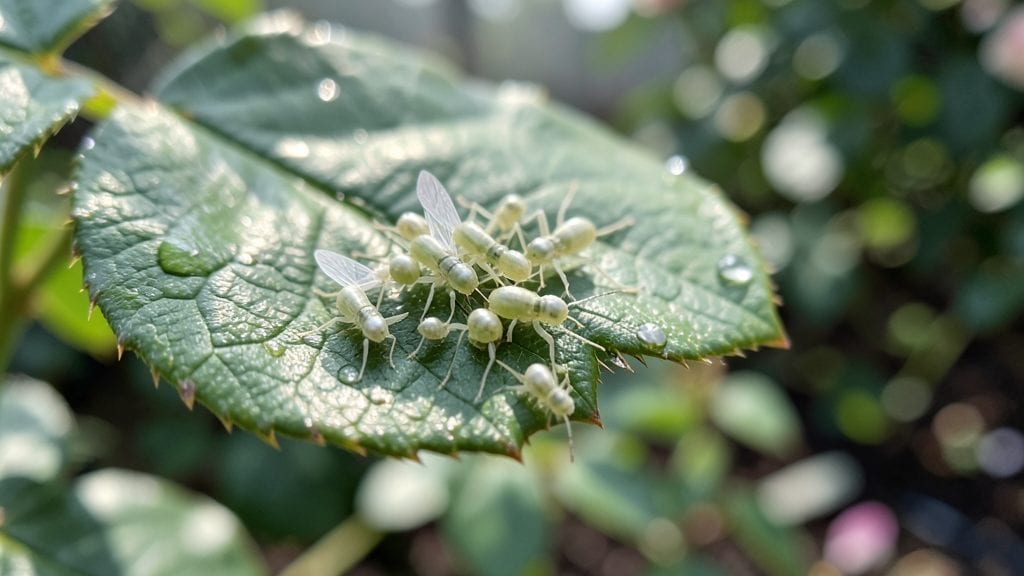
Controlling aphids in your garden starts with understanding these tiny sap-suckers and how to outsmart them. 🌱 I’ve battled them for years—first with store-bought sprays that failed, then with natural methods that actually worked. The key isn’t just killing them; it’s breaking their cycle before they take over.
Most gardeners panic when they spot aphids, but these pests thrive on weak plants and crowded foliage. Prune affected areas immediately, spray leaves with water to knock them off, and introduce ladybugs—their natural predators. Neem oil is another game-changer, disrupting their life cycle without harming your plants or the environment.
By combining these methods, you’ll see aphids disappear within days, not weeks. Your plants will bounce back with stronger growth, and you’ll avoid the sticky residue and stunted leaves that signal an infestation. The best part? These solutions work for vegetables, flowers, and shrubs alike.
For severe cases, don’t hesitate to call in reinforcements—like professional pest control—but start with these natural fixes first. Your garden will thank you, and so will your wallet. Let’s get those pests under control for good.
Root Causes of Aphid Infestations
Aphids may seem like tiny, harmless pests, but they thrive in gardens due to specific conditions that favor their rapid reproduction and survival. Understanding these causes is the first step to preventing and controlling them effectively.
Aphids are attracted to plants that are already struggling. When plants are nutrient-deficient, overcrowded, or diseased, they produce sweeter sap—a primary food source for aphids.
This happens because: - Poor soil health (lack of nitrogen, phosphorus, or potassium) weakens plants, making them more vulnerable. - Overwatering or drought stress disrupts root systems, forcing plants to allocate energy to survival rather than defense mechanisms. - Fungal or bacterial infections (like powdery mildew) create ideal conditions for aphids, as they often feed on weakened tissue.
Actionable insight: Healthy plants are resilient. Regularly test your soil, prune for airflow, and avoid overwatering to reduce aphid attractants.
Aphids reproduce exponentially in warm (60–80°F) and humid environments.
Here’s why: - Faster reproduction: A single aphid can give birth to 50–100 offspring in a week under ideal conditions. - Slower predator activity: Natural enemies like ladybugs and lacewings are less active in extreme heat or humidity, giving aphids an advantage. - Moisture retention: Humidity helps aphids retain water, reducing their need to feed as frequently, which prolongs infestations.
Actionable insight: Monitor weather patterns and use shade cloth or mulch to moderate temperature and moisture levels in high-risk areas.
Aphids prefer tender, new growth because it’s easier to penetrate and packed with nutrients.
This includes: - Seedlings and young shoots (aphids target these first because they’re defenseless). - Flower buds and fruit clusters (sap here is rich in sugars). - Succulent leaves (like those on roses or basil), which lack protective wax coatings.
Actionable insight: Regularly inspect new growth and remove heavily infested tips to disrupt aphid feeding cycles.
Aphids are kept in check by beneficial insects like:
- Ladybugs (devour aphids at all life stages).
- Lacewings (larvae are aphid-hunting machines).
- Parasitic wasps (lay eggs inside aphids, killing them).
Why this fails:
- Pesticide use (even organic sprays can harm predators).
- Monoculture gardening (reduces biodiversity, limiting natural controls).
- Seasonal die-offs (predators may not be present when aphids explode in numbers).
Actionable insight: Encourage predators by planting companion flowers (like dill or marigolds) and avoiding broad-spectrum pesticides.
Sometimes, well-intentioned gardening practices accelerate aphid problems:
- Over-fertilizing with nitrogen (boosts soft growth aphids love).
- Moving infested plants (unintentionally spreading aphids to new areas).
- Ignoring early signs (tiny colonies can become epidemics in weeks).
Actionable insight: Practice crop rotation, sanitize tools, and quarantine new plants to prevent spread.
Not all plants are equally appealing to aphids. Some are aphid magnets, including:
- Roses (especially hybrid varieties).
- Fruit trees (apples, peaches, and citrus).
- Vegetables (cabbage, spinach, and beans).
- Herbs (basil, mint, and parsley).
Why? These plants often have high sugar content in their sap or lack strong defensive compounds like triterpenoids (found in some resistant varieties).
Actionable insight: Choose aphid-resistant varieties (e.g., ‘Knock Out’ roses) or interplant with repellent herbs (like garlic or chives).
Natural Fixes for Aphid Overload
Aphids may seem like tiny, unstoppable invaders, but with the right strategies, you can reclaim your garden—without harsh chemicals. Below are targeted solutions based on the most common causes of aphid infestations, from overcrowded plants to weak soil.
Each fix is easy to implement, eco-friendly, and backed by science (or grandma’s wisdom!). Let’s tackle this pest problem head-on.
Aphids thrive where plants are weak, so strengthening your greenery is the first line of defense.
🍃 Prune & Thin Out Plants - Why? Aphids love hiding in dense foliage.
Opening up plants improves airflow and makes them less appealing. - How? - Use clean, sharp pruners to trim back overgrown branches or leaves. - Focus on new growth (aphids adore tender shoots!). - Dispose of clippings in a sealed bag—don’t compost them!
💧 Water Deeply & Early - Why? Aphids despise dry conditions.
Overhead watering can spread them, but deep watering at the base encourages strong roots. - How? - Water early in the morning (avoids fungal issues). - Aim for 1–2 inches per week (check soil moisture—don’t drown plants!). - Avoid wetting leaves if possible (use drip irrigation or soaker hoses).
🌿 Feed Plants the Right Way
- Why? Malnourished plants attract aphids like a buffet.
A balanced diet keeps them resilient. - How? - Compost tea or worm castings (rich in microbes that repel pests). - Fish emulsion or seaweed extract (boosts natural defenses). - Avoid over-fertilizing with nitrogen—it makes plants soft and aphid-magnets!
If your plants are already under siege, act now with these quick, effective methods.
💦 Blast Them Away (Yes, Really!)
- Why? A strong spray of water dislodges aphids and weakens their grip.
- How?
- Use a hose with a gentle nozzle (or your fingers!) to blast colonies.
- Focus on undersides of leaves (their favorite hiding spot).
- Repeat every 2–3 days until they’re gone.
🕷️ Introduce Aphid Predators
- Why? Nature’s cleanup crew loves aphids—and they’re free!
- How?
- Ladybugs (release 50–100 adults per 100 sq ft).
- Lacewings (their larvae devour aphids—order eggs online).
- Parasitic wasps (tiny but mighty; plant dill, fennel, or yarrow to attract them).
🧼 Soap & Oil Sprays (Safe & Strong)
- Why? Insecticidal soap and neem oil smother aphids without harming plants.
- How?
- Homemade soap spray:
- Mix 1 tbsp mild castile soap + 1 quart water + 1 tsp vegetable oil.
- Spray directly on aphids (avoid hot sun—can burn leaves).
- Neem oil spray:
- Combine 1 tbsp neem oil + 1 tsp soap + 1 quart water.
- Spray every 5–7 days (aphids can’t build resistance!).
- Homemade soap spray:
An ounce of prevention is worth a pound of aphid cure. Protect your garden long-term with these habits.
🌿 Plant Smart: Aphid-Repelling Companions
- Why? Some plants naturally deter aphids or attract their predators.
- Best pairings:
- Marigolds, garlic, or chives (plant near vulnerable crops).
- Alyssum or nasturtiums (trap aphids away from veggies).
- Herbs like mint, basil, or rosemary (aphids avoid strong scents).
🧹 Clean Up Debris & Weeds - Why? Aphids overwinter on dead leaves and weeds.
A tidy garden = fewer hiding spots. - How? - Remove fallen leaves and mulch (or compost in a sealed bin). - Pull weeds (especially dandelions and milkweed—aphid magnets!). - Inspect new plants before bringing them home (quarantine for a week).
🌡️ Encourage Beneficial Microbes
- Why? Healthy soil = strong plants + happy predators.
- How?
- Mulch with straw or wood chips (retains moisture, deters aphids).
- Plant deep-rooted crops (like comfrey) to feed soil life.
- Avoid synthetic fertilizers (they disrupt beneficial microbes).
If aphids keep coming back despite your efforts, consider:
- Horticultural oil (for severe infestations—spray at dusk).
- Kaolin clay (creates a barrier aphids hate; safe for edibles).
- Professional pest control (if dealing with armored aphids or large-scale damage).
💡 Pro Tip: Test your fixes on one small area first—some plants (like tomatoes) can be sensitive to sprays. Always spot-test before full application!
With these targeted solutions, your garden will be aphid-free in no time—and your plants will thank you with bigger, healthier harvests. Now grab your hose and get to work! 🚿🌿
Frequently asked questions about managing tiny garden pests
How quickly can I see results after using neem oil?
You’ll typically notice a difference within 3-5 days of consistent application. Neem oil disrupts aphid feeding and reproduction, so colonies shrink visibly by 1-2 weeks with regular 5-7 day treatments. For severe infestations, combine with pruning and predator release for faster results.
Are ladybugs really effective against aphids?
A single ladybug can eat 50-100 aphids in its lifetime, and their larvae are even more voracious. Release 50-100 adults per 100 sq ft during early morning or evening when aphids are active. For best results, release them near heavily infested areas and provide water sources like shallow dishes with pebbles.
Why do aphids keep coming back after I treat them?
This usually happens when you’re missing one key factor: new aphids are hitchhiking on wind or insects, your plants are still stressed (attracting more), or you’re not addressing hiding spots. Check for ant trails (they farm aphids!), inspect undersides of leaves, and ensure you’re quarantining new plants. Rotate treatments (like alternating soap spray with neem oil) to prevent resistance.
Can I use dish soap to kill aphids on edible plants?
Yes, but only mild, natural dish soap (like Castile soap) in the right concentration. Mix 1 tbsp soap + 1 quart water + 1 tsp vegetable oil and spray directly on aphids. Avoid Dawn or harsh detergents—they can damage plant leaves. Test on a small area first, especially for sensitive plants like tomatoes or peppers. Always rinse plants after 24 hours to remove residue.
What’s the best time of day to treat aphids?
Early morning or late afternoon when temperatures are below 85°F and aphids are most active. Avoid treating during peak sun hours (10am-4pm), as sprays can evaporate quickly or harm plants. For water blasting, morning works best—aphids are sluggish after nighttime cooling. If using neem oil, apply at dusk to prevent leaf burn.