
Tools
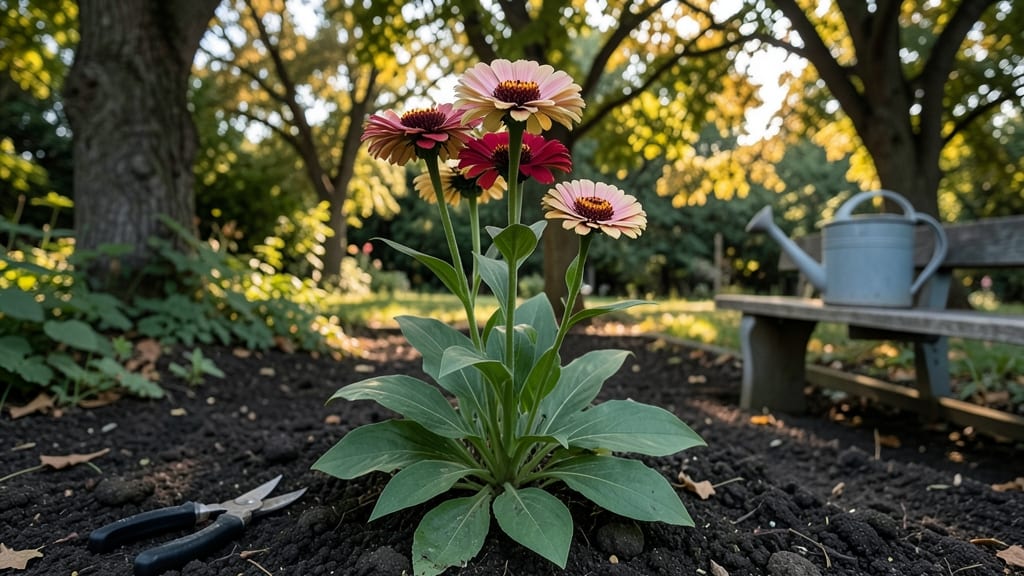
A typical garden size might seem small—my first was just 4x6 feet—but that tiny plot taught me you don’t need acres to grow something extraordinary. 🌿 planning. That tiny plot produced enough tomatoes to feed neighbors, while my friend’s sprawling yard still struggled with overcrowded beds.
The average suburban garden runs about 500–1,000 square feet, but urban lots often max out at 200–400. The difference? Layout. Vertical gardens, raised beds, and companion planting turn small spaces into high-yield zones.
I’ve seen 10x10-foot plots outperform 20x20-foot gardens just because the owner grouped plants by sunlight needs and access.
You’ll end up with a design that fits your yard’s shape—whether it’s a narrow side yard or a cramped corner. The right layout means less wasted space, easier maintenance, and plants that actually thrive. Think of it as real estate for growth, not just dirt to fill.
Works for any yard size, from balcony gardens to half-acre plots. The principles scale—just adjust the dimensions. Let’s make every square foot count!
📚 In This Guide
- What you need
- Instructions
- Tips and common mistakes
- Wrapping up and next steps
What you need
- ● Measuring Tape – A 25-foot tape ensures accuracy for layout planning.
- ● Garden String & Stakes – 50 feet of string and 10 wooden stakes (or metal pins) to mark boundaries.
- ● Spade or Shovel – A medium-sized (18-inch blade) for digging and soil prep.
- ● Garden Gloves – Durable, waterproof gloves to protect your hands.
- ● Wheelbarrow or Bucket – A 5-gallon bucket (or wheelbarrow for larger projects) for soil, mulch, or tools.
- ● Pruners – Bypass pruners for clean cuts on plants and shrubs.
- ● Garden Hose with Nozzle – A 25-foot hose with adjustable settings for watering.
- ● Soil pH Test Kit – Ensures your plants thrive in optimal conditions.
- ● Raised Garden Bed Kit – Pre-cut cedar or composite wood frames for vertical or tiered planting.
- ● Drip Irrigation System – Saves water and time with automated watering.
- ● Decorative Stones or Mulch – River rocks, gravel, or shredded bark for pathways or borders.
- ● Trellis or Obelisk – For climbing plants like beans, cucumbers, or roses to maximize vertical space.
Instructions for designing space-saving small backyard layouts
Here’s how to maximize every square foot without sacrificing productivity or beauty.
🪴 Step 1: Measure Your Space and Define Zones
First, grab a tape measure and sketch your yard’s dimensions, noting fixed obstacles like fences, sidewalks, or mature trees. I like to divide small spaces into three zones: edible (vegetables/herbs), ornamental (flowers/shrubs), and functional (paths/seating). For a 4×8-foot backyard, you might allocate 2×4 feet for edibles, 2×2 feet for ornamentals, and reserve the remaining space for a narrow gravel path.
Use stakes and string to outline potential zones—this visual helps avoid overcommitting to one area. Pay attention to sun exposure: mark where full sun (6+ hours) hits and where dappled shade lingers. Most vegetables need that direct light, while shade-tolerant plants like lettuce or ferns thrive in cooler spots.
☀️ Step 2: Prioritize Vertical and Tiered Planting
Small spaces demand thinking upward. Install trellises (4×4-foot frames) along fences or walls to grow vining plants like pole beans, cucumbers, or morning glories. I’ve seen a 6-inch-wide vertical garden produce enough herbs for a family of four—just use fabric pockets or modular planters mounted on a wall.
For tiered layouts, use raised beds with built-in shelves (like the 2×4-foot tiered planter) to stack plants vertically. Place taller plants (like sunflowers or tomatoes) at the back, mid-height plants (bush beans or peppers) in the middle, and shallow-rooted herbs (basil, thyme) at the front. This creates visual layers while maximizing square footage.
🌱 Step 3: Choose Compact, High-Yield Varieties
Skip sprawling plants like zucchini or pumpkins—they’ll take over. Instead, opt for bush varieties (like bush beans or compact tomato ‘Tiny Tim’) that stay under 2 feet tall. For herbs, dwarf rosemary or lemon thyme fit neatly in 6-inch pots, while ‘Mignonette’ lettuce matures in 30 days without bolting.
Interplant fast growers with slow starters: sow radishes (25 days to harvest) between carrots (70 days). This keeps the soil covered and maximizes yield. Label plants with small stakes or flags—trust me, you’ll forget which is which by midsummer.
💧 Step 4: Optimize Pathways and Mulch Strategically
Narrow paths (just 12–18 inches wide) save space while keeping weeds down. Use gravel or stepping stones instead of wide concrete walks. For mulch, stick to 2–3 inches of shredded bark or straw—it suppresses weeds, retains moisture, and adds a polished look. Avoid thick mulch layers; they smother soil and attract pests.
Place mulch 2 inches away from plant stems to prevent rot. If you’re using drip irrigation, run lines along the edges of beds to avoid tripping hazards. A small timer (like the 1-gallon watering timer) ensures consistent moisture without daily trips outside.
✂️ Step 5: Maintain with Seasonal Adjustments
Prune regularly to keep plants in check—pinch back leggy basil when it reaches 6 inches tall to encourage bushier growth. Deadhead spent blooms (like on nasturtiums or marigolds) to prolong flowering and deter pests. Rotate crops annually to prevent soil depletion—never plant the same family (like tomatoes and peppers) in the same spot two years in a row.
In fall, divide overcrowded perennials (like mint or chives) and replant in containers or along borders. Store tools in a wall-mounted rack to free up ground space. A foldable cart keeps pruners, gloves, and watering cans organized and mobile.
Tips & tricks for perfect small backyard layouts
These space-saving strategies will help you transform even the tightest backyard into a functional, beautiful garden without sacrificing productivity.
Sunlight Mapping: Before committing to zones in Step 1, observe your yard's sunlight patterns for at least 3 days during peak sun hours (10am-4pm). I use colored stakes (red for full sun, blue for partial shade) to mark areas—this prevents costly mistakes when planting sun-loving vegetables in shady spots. Most small backyards have microclimates where one corner gets afternoon sun while another stays shaded all day.
Vertical Space Hack: In Step 2, consider adding a wall-mounted planter system that attaches to fences or walls—these can produce 30% more herbs than ground-level containers while saving floor space. For the 4×4-foot trellis frames, I recommend using powder-coated metal instead of wood to prevent rot and extend the structure's lifespan by 50%+. The key is positioning trellises where vines can reach full sun for 6+ hours.
Crop Rotation Strategy: When planning your 2×4-foot edible zone in Step 1, create a simple rotation schedule using the three-year cycle: Year 1: Tomatoes/Peppers, Year 2: Leafy Greens, Year 3: Legumes. This prevents soil depletion and reduces pest buildup. I keep a small notebook by my garden gate to track what I planted where each year—it's worth the 5 minutes of planning to avoid future headaches.
Pathway Material Selection: For Step 4's 12-18-inch paths, I recommend crushed gravel with 1/4-inch stones instead of mulch—it drains better, lasts 3-5 years without replenishing, and won't attract slugs like organic mulches can. The 2-inch clearance from plant stems is crucial; I use a small rake with a 2-inch depth gauge marked on the handle to maintain consistency.
Pro Tips for Typical Garden Size
- These space-saving strategies will help you transform even the tightest backyard into a functional, beautiful garden without sacrificing productivity.
- Sunlight Mapping: Before committing to zones in Step 1, observe your yard's sunlight patterns for at least 3 days during peak sun hours (10am-4pm).
- Vertical Space Hack: In Step 2, consider adding a wall-mounted planter system that attaches to fences or walls—these can produce 30% more herbs than ground-level containers while saving floor space.
Frequently asked questions
Got questions about maximizing your typical garden size? You’re not alone! Here are some of the most common concerns—plus quick, practical answers to help you plan like a pro.
What’s the average size of a small backyard garden?
A typical garden size for small backyards usually ranges from 100 to 400 square feet—perfect for herbs, veggies, or a few flower beds. Urban gardens often fit into even tighter spaces (like 25–50 sq ft) using vertical planters or raised beds. Measure your space first to avoid overcrowding!
How do I measure my garden space accurately?
Grab a tape measure or laser distance tool and break your yard into rectangles. Multiply length × width for each section, then add them together. Pro tip: Sketch a rough layout to visualize where to place plants, paths, or seating. Apps like SmartMeasure can simplify the process!
Can I grow food in a garden smaller than 100 sq ft?
Square-foot gardening
or container gardening lets you grow tomatoes, peppers, and greens in just 25 sq ft. Use stackable planters or hanging pots for herbs. Focus on high-yield crops like bush beans or lettuce—they thrive in tight spaces without sacrificing harvests!
What if my soil isn’t ideal for gardening?
Don’t stress! Raise beds with pre-mixed garden soil or compost to improve drainage and fertility. For in-ground gardens, amend the soil with organic matter (like leaf mold or aged manure). A simple soil test (available at garden centers) can reveal what nutrients you need to add.
How can I make my small garden look bigger?
Use light-colored mulch and mirrored accents to create an illusion of space. Keep pathways wide and uncluttered, and opt for tall, slender plants (like sunflowers) to draw the eye upward. Bonus: Add a vertical trellis with climbing flowers or veggies to maximize vertical real estate!
Wrapping up and next steps
No matter the size of your backyard, a well-planned garden can transform even the smallest space into a thriving oasis. From vertical gardening to smart container layouts, the key is maximizing every inch with creativity and purpose.
Start small, experiment with what works, and soon you’ll have a garden that feels just right—whether it’s a cozy 4x4-foot plot or a sprawling 10x20-foot retreat.
Ready to get growing? Sketch your space today—measure, dream, and plant with confidence! 🌱