
Tools
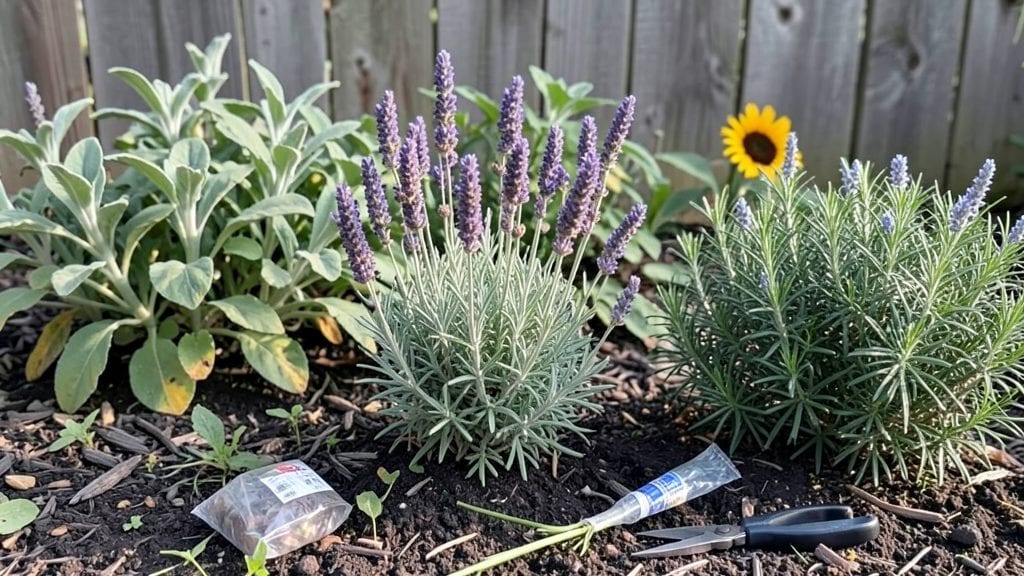
The garden primer isn't just a calendar—it's the roadmap that turns confusion into confidence, and my first season of bolting lettuce into flower proved it. I spent years overcomplicating gardening until I realized the secret isn't fancy tools or rare seeds, but knowing when to plant what in your climate. The right timing means fewer failures and more baskets of tomatoes, herbs that don't bolt, and flowers that bloom reliably.
Here's the thing—this primer works whether you're a beginner with a single pot or an experienced gardener expanding your plot. You'll need basic supplies: gloves, a trowel, some mulch, and a notebook for tracking what grows best in your space.
The real magic happens when you match plants to your sunlight, watering, and seasonal shifts—not the other way around. I'll show you how to read your local frost dates like a pro.
By the end, you'll have a planting schedule tailored to your yard that keeps your garden productive all year. Picture rows of crisp lettuce in spring, heat-resistant tomatoes in summer, and hardy greens in winter—all because you planted at the right time.
The best part? You'll spend less time troubleshooting and more time enjoying the harvest. Let's get those seeds in the ground the smart way.
This system adapts to every garden size and climate zone, from deserts to rainforests. Whether you're in Zone 5 or Zone 9, the principles stay the same—just the timing shifts. We'll cover what to plant, when to start seeds indoors, and how to stretch your growing season with simple tricks.
No more guessing games, just reliable results that make you the envy of the neighborhood.
📚 In This Guide
- What you need
- Instructions
- Tips and common mistakes
- Wrapping up and next steps
What you need
- ● Seeds or seedlings: Choose varieties suited to your climate and season (e.g., leafy greens for cool months, tomatoes for warm). Start with 5–10 plants per type.
- ● Potting soil: 1–2 bags (sterilized, well-draining mix like Miracle-Gro or FoxFarm).
- ● Compost: 1–2 bags (organic matter to enrich soil).
- ● Mulch: Straw or wood chips (5–10 lbs) to retain moisture and suppress weeds.
- ● Watering can or hose: With a gentle spray nozzle for delicate seedlings.
- ● Hand trowel: 1 (for transplanting and small tasks).
- ● Garden gloves: 1 pair (to protect your hands from thorns and dirt).
- ● Pruning shears: 1 (for trimming and harvesting).
- ● Measuring tape: 1 (to plan spacing and layout).
- ● Garden journal/notebook: 1 (to track planting dates, progress, and notes).
- ● Seedling trays: 1–2 (for starting plants indoors).
- ● Row covers: Lightweight fabric to protect young plants from pests or frost.
- ● Soil pH tester: 1 (to ensure optimal growing conditions).
- ● Trellis or stakes: For climbing plants like beans or cucumbers.
- ● Solar-powered lights: To extend growing seasons in early spring/fall.
Instructions: building your year-round planting calendar
Here's how to create a planting schedule that keeps your garden productive every season.
Determine Your Planting Zone and Last Frost Date
First, find your USDA Plant Hardiness Zone using the USDA Plant Hardiness Zone Map. This tells you what plants thrive in your area year-round. I always mark my last spring frost date and first fall frost date on my calendar—these are your bookends for outdoor planting.
Write these dates down or save them digitally. For example, if you're in Zone 7, your last frost might be around March 15, and your first frost could be November 1. These dates help you time cool-season crops like lettuce and peas for spring and fall planting.
Group Plants by Season and Temperature Needs
Divide your plants into four categories: cool-season crops, warm-season crops, perennial plants, and container-friendly varieties. Cool-season crops like spinach and kale grow best in temperatures between 35-75°F, while warm-season crops such as tomatoes and peppers need 70-90°F to thrive.
I keep a simple chart with columns for each season—spring, summer, fall, and winter—and list which plants belong in each. For example, broccoli and cabbage go in cool seasons, while basil and cucumbers are summer stars. This helps me visualize gaps and overlaps in the garden.
Plan for Succession Planting and Seasonal Overlaps
Succession planting is the secret to a never-ending harvest. After harvesting early crops like radishes or lettuce, I immediately replant the same space with quick-growing varieties like bush beans or carrots. This keeps the soil productive and maximizes your garden's potential.
For example, in spring, I plant lettuce in early March, followed by radishes in April, and then bush beans in May. In fall, I might swap out tomatoes for kale or spinach once temperatures drop. This rotating schedule prevents soil depletion and keeps pests in check.
Schedule Container Plantings for Extended Seasons
Containers let you grow plants well beyond the traditional growing season. I use them to extend spring and fall harvests by moving sensitive plants indoors or under cover when temperatures dip. For instance, I keep basil and peppers in pots on my patio until October, then bring them inside near a sunny window.
Plan to move containers indoors or into a greenhouse before the first frost. Start by hardening off container plants a week before moving them inside—gradually reduce sunlight and water slightly to mimic outdoor conditions. This transition helps plants adjust without shock.
Create a Monthly Planting and Maintenance Checklist
Break down your year-round plan into monthly tasks. For example, January might focus on planning and ordering seeds, while February is for starting cool-season seeds indoors. March is all about prepping beds and planting early crops, and April shifts to hardening off seedlings.
I keep a digital calendar with reminders for each month. For instance, in July, I schedule regular pruning of herbs and harvesting zucchini before it overtakes the garden. In September, I focus on planting garlic and cover crops like clover to protect soil over winter. This structured approach keeps me on track without feeling overwhelmed.
Tips & tricks for perfect year-round planting
Creating a thriving garden calendar takes more than just following the steps—it's about understanding the nuances that make all the difference. Here are my go-to strategies for maximizing your harvest potential.
Temperature Matters: Pay close attention to those temperature ranges for cool-season (35-75°F) and warm-season (70-90°F) crops. I've found that using a small thermometer in your garden helps track daily fluctuations, especially during transitional months like spring and fall. For example, if your mornings dip below 40°F even in summer, consider covering delicate plants like basil to protect them from unexpected chills.
Succession Planting Secret: The key to continuous harvests lies in understanding each plant's growth cycle. After pulling radishes (which mature in just 25 days), I immediately plant bush beans that take 50-60 days. This overlapping schedule ensures your garden never goes empty. I keep a simple chart tracking each crop's days to maturity—it's a game-changer for planning.
Container Planting Pro Tips: When moving container plants indoors before frost, I start the hardening-off process two weeks earlier than I think I need to. Begin by reducing sunlight exposure by just 10% each day, then gradually decrease water by 5% every other day. This slow adaptation prevents shock that can kill sensitive plants like tomatoes or peppers. Also, make sure your indoor windows get at least 6 hours of direct sunlight daily.
Monthly Checklist Organization: I've learned the hard way that vague monthly reminders don't work. Instead, I create hyper-specific tasks like "First week of June: Thin carrots to 2 inches apart" or "Third week of August: Harvest green tomatoes and ripen indoors." Breaking it down this precisely prevents overwhelm and ensures nothing slips through the cracks during busy gardening seasons.
Pro Tips for The Garden Primer
- Creating a thriving garden calendar takes more than just following the steps—it's about understanding the nuances that make all the difference.
- Temperature Matters: Pay close attention to those temperature ranges for cool-season (35-75°F) and warm-season (70-90°F) crops.
- Succession Planting Secret: The key to continuous harvests lies in understanding each plant's growth cycle.
Frequently asked questions
Got questions about year-round gardening?
You’re not alone! Whether you're a newbie or a seasoned green thumb, timing, soil prep, and troubleshooting can still trip you up. Here are answers to the most common queries to keep your garden thriving—no guesswork required.
When is the best time to start planting for a year-round harvest?
The key is staggered planting! Cool-season crops like lettuce, spinach, and kale thrive in early spring and fall (March–April or September–October), while warm-season veggies (tomatoes, peppers, cucumbers) need soil temps above 60°F—aim for May–June. For year-round success, use row covers in winter or extend seasons with cold frames.
How do I adjust my planting schedule for my specific climate zone?
Check your USDA Hardiness Zone (or local climate guides) to fine-tune timing. For example, Zone 7–10 can grow year-round with minimal frost, while Zones 3–5 need shorter seasons. Use heat-tolerant varieties in summer and cold-hardy greens in winter. Apps like Gardenate or Johnny’s Selected Seeds offer zone-specific calendars.
What are the easiest alternatives for beginners who don’t want to plant year-round?
Start with low-maintenance crops like herbs (basil, parsley), radishes (30-day harvest!), or bush beans. For minimal effort, try container gardening—grow lettuce or strawberries in pots on a balcony. Or focus on perennials (asparagus, rhubarb) that return yearly with little care. Even a 3-season garden (spring, summer, fall) yields big rewards!
How do I troubleshoot common issues like pests or poor growth mid-season?
Pests? Try preventative sprays (neem oil) or companion planting (marigolds repel nematodes). Poor growth? Check soil pH (test kits are cheap!)—most veggies prefer 6.0–7.0. Yellow leaves? Could be overwatering (let soil dry slightly) or nutrient deficiency (add compost or fertilizer). Rotate crops yearly to prevent soil depletion.
Can I use a simple calendar or app to track planting dates?
Free tools like Old Farmer’s Almanac Garden Planner or Planter sync with your location and remind you of planting/harvest deadlines. For pen-and-paper fans, print a customizable planting chart (search “free garden calendar PDF”). Set phone alerts for key tasks like transplanting or mulching!
Wrapping up and next steps
You’ve got the knowledge—and now, the green thumbs 🌱 Whether you’re a seasoned gardener or just starting, this year-round planting calendar is your roadmap to a bountiful, thriving garden. Remember: consistency and adaptation are key—soil, climate, and plants all play their part.
Ready to take the next step? Start small! Pick one season’s crop to master, then expand your plot (or your confidence) as you go. Happy planting—your harvest is waiting! 🌿