
Companion Plants
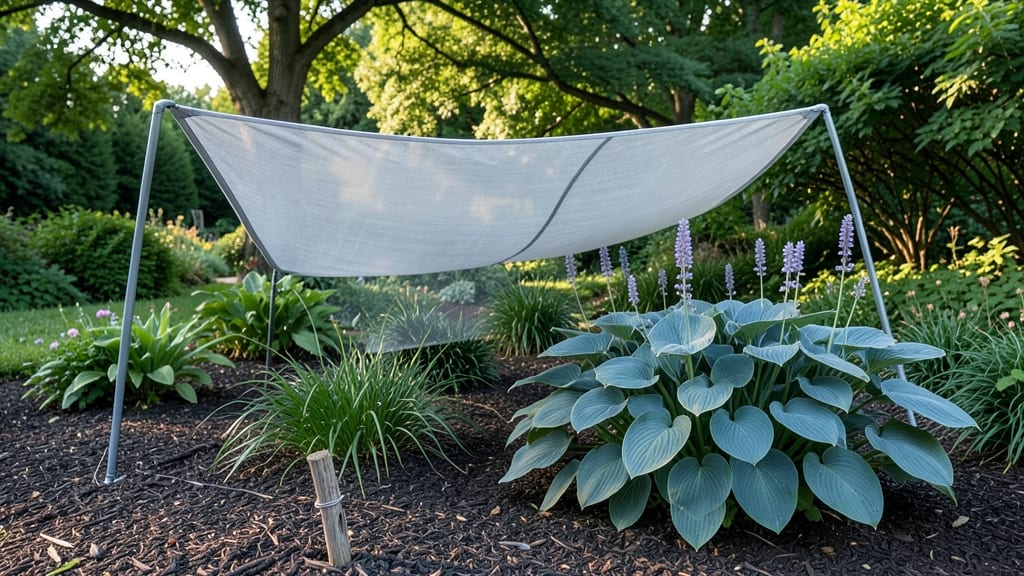
My garden's sunshade for garden plants saved my heat-sensitive lettuce from bolting last summer—now I'm sharing the exact setup that keeps containers thriving even when temps hit 90°F. The right shade isn't just about protection; it's about creating the perfect light conditions for each plant, whether that's dappled sunlight or full afternoon shade.
I swapped out flimsy umbrellas for a 50% shade cloth stretched over a simple PVC frame, and my basil, Swiss chard, and impatiens have never looked better.
You don't need fancy setups—just the right material for your climate. Lightweight shade cloth works for most containers, while heavier fabrics or latticed pergolas create that dreamy filtered light. The key is adjustable positioning: move it as the sun shifts or when you're growing different crops.
My 3-foot-tall frame fits snugly over my patio containers, and I can even roll it up when I'm growing sun-lovers like tomatoes later in the season.
What you'll end up with is a garden that stays productive all season long—no more wilted greens or sunburned leaves. The shade cloth blocks 30-50% of harsh light, keeping roots cool while still allowing enough sunlight for photosynthesis.
Plus, it adds a stylish, structured look that elevates any container display. You'll notice plants growing taller, leaves staying vibrant, and fewer pests bothering your shade-loving varieties.
Works for everything from delicate herbs to tropical plants in containers, and it's just as useful for in-ground gardens if you're dealing with hot microclimates. The setup takes under an hour to assemble, and you can customize it for different seasons. Let's get those plants growing their best!
📚 In This Guide
- What you need
- Instructions
- Tips and common mistakes
- Wrapping up and next steps
What you need
- ● Shade cloth or fabric: Choose a breathable material rated for 30-50% UV protection (e.g., polyester mesh or lightweight cotton). For a 4’x6’ area, you’ll need about 20 sq. ft. (adjust based on your plant’s size).
- ● Support structure: For freestanding shades: PVC pipes (½” diameter, 6-8 ft. long), or wooden stakes (2x2s, 6 ft. tall).
- ● For attached shades: A sturdy hook or bracket to hang from a fence/pergola.
- ● Fasteners: Zip ties (pack of 20), staples (if attaching to fabric), or heavy-duty clips.
- ● Measuring tape, scissors, and a marker for cutting and marking.
- ● Drill or hammer (if securing stakes into the ground).
- ● Corrugated plastic or bamboo poles (for a rustic, no-drill option).
- ● Decorative trim or bias tape (to finish edges and add a polished look).
- ● Waterproof sealant (if using wood to prevent rot).
- ● Retractable shade roller kit (for adjustable shade—great for containers!).
Step-by-Step guide to creating effective sunshade for container plants
Here’s how to protect your container plants without sacrificing airflow or growth.
Select the Right Shade Material
Choose a breathable, UV-blocking fabric like 50-70% shade cloth or white knitted cotton. Avoid plastic sheets—they trap heat and suffocate plants. For delicate varieties like ferns or lettuce, opt for 70% shade cloth to filter 50-60% of sunlight. For heat-sensitive plants like impatiens, 50% shade cloth reduces intensity while allowing enough light for photosynthesis.
Measure the dimensions of your container setup—most shade cloths come in 3x5-foot or 4x6-foot panels. If working with multiple pots, calculate the total area and cut the fabric to fit snugly over the top. Secure the edges with clothespins or binder clips to prevent gaps where light could sneak in.
Assemble a Support Frame for Stability
Construct a lightweight frame using bamboo stakes or PVC pipes to hold the shade cloth above the plants. For a single container, drive two 3-foot stakes into the ground on either side and drape the shade cloth over them, securing it at the top with a binder clip or rope. For larger setups, create a hoop structure by bending 4-foot PVC pipes into arches and connecting them with zip ties.
Ensure the frame sits 6-12 inches above the plant tops—too close, and it’ll block airflow; too far, and gaps will let in unwanted light. Adjust the height as plants grow, using adjustable hooks or clips to raise the shade cloth incrementally. Test the setup by shaking it gently; if it wobbles, reinforce the frame with additional stakes or ties.
Position and Adjust for Optimal Light Control
Place the sunshade before peak sunlight hours (typically 10 AM) to avoid sudden temperature shocks. For morning sun exposure, position the shade to block the south or west-facing sides where the sun is harshest. If your plants need partial shade, leave one side uncovered to allow dappled light for photosynthesis.
Monitor the plants after 3-5 days—look for signs of stress like yellowing leaves (too much shade) or wilting (too little airflow). If leaves appear pale, adjust the shade cloth to allow 10-20% more light. Conversely, if new growth looks weak, tighten the fabric or lower it slightly to reduce light penetration.
Maintain Airflow and Prevent Heat Buildup
Check the shade cloth daily for condensation—if droplets form on the underside, lift it briefly to air out the space. Stagnant air encourages fungal diseases like powdery mildew. For containers, ensure the fabric doesn’t touch the leaves; keep it 2-3 inches above the foliage to allow circulation.
In hot climates, remove the shade cloth during overcast days or evening hours to prevent overheating. If using a permanent setup, install retractable cords or pulleys to adjust coverage as needed. Water plants early in the morning to reduce evaporation stress—shade cloths can create microclimates where moisture evaporates faster.
Real talk: The key is balance—too much shade stunts growth, but too little defeats the purpose. Start conservative, observe your plants, and tweak as they respond.
Tips & tricks for perfect sunshade setup in containers
Creating an effective sunshade isn't just about throwing fabric over plants—it's about precision and observation. Here are the details that make all the difference between a functional setup and one that stifles growth.
Material Selection Matters: While 50-70% shade cloth is ideal for most container plants, I've found that white knitted cotton works particularly well for seedlings because it diffuses light more evenly than woven fabrics. For plants that need partial shade, consider layering two different percentages—70% cloth over the most sensitive areas and 50% cloth where you want more light penetration. The key is to avoid plastic entirely; it creates a greenhouse effect that can scorch leaves within hours.
Frame Stability is Non-Negotiable: When using bamboo stakes for single containers, I recommend driving them at a 45-degree angle rather than straight up. This creates a more stable triangle shape that resists wind better. For larger setups, the 4-foot PVC hoop structure works best when you connect the arches with zip ties spaced every 12 inches—this prevents sagging over time. Always test your frame by gently pulling on each corner before securing the shade cloth.
Height Adjustment Strategy: The 6-12 inch clearance above plant tops isn't just a suggestion—it's a science. For leafy greens like lettuce, aim for the higher end of that range to prevent humidity buildup between leaves. For bushier plants like impatiens, start at the lower end and raise the shade gradually as they grow. I keep a small ruler handy to measure clearance weekly, adjusting with the adjustable hooks mentioned in Step 2. This incremental approach prevents sudden light shocks that can stress plants.
Condensation Management: The daily check for condensation in Step 4 is crucial, but what I've learned is that timing matters just as much as frequency. Lift the shade cloth for ventilation during the coolest part of the day (early morning or late afternoon) when temperatures are below 75°F. This prevents sudden temperature swings that can shock plants. If you notice persistent condensation, it's a sign your shade is too close—raise it immediately to restore airflow.
Pro Tips for Sunshade For Garden Plants
- Creating an effective sunshade isn't just about throwing fabric over plants—it's about precision and observation.
- For plants that need partial shade, consider layering two different percentages—70% cloth over the most sensitive areas and 50% cloth where you want more light penetration.
- Frame Stability is Non-Negotiable: When using bamboo stakes for single containers, I recommend driving them at a 45-degree angle rather than straight up.
Frequently asked questions
Got questions about keeping your container plants happy with sunshades? You’re not alone! Here are some of the most common concerns—and straightforward answers to help you garden like a pro.
What’s the best material for a DIY sunshade?
For lightweight, breathable coverage, opt for shade cloth (30-50% blockage) or cheesecloth for delicate plants. Need something sturdier? Try burlap sacks or even white plastic sheeting (but avoid direct contact with leaves to prevent burns). For a quick fix, repurpose old bedsheets or umbrella fabric!
When should I start using sunshade for my plants?
Introduce shade gradually—especially for seedlings or tropical plants—to avoid shock. Start when plants show signs of stress (yellowing leaves, wilting) or during peak sun (10 AM–4 PM). Morning sun is often gentler, so prioritize afternoon shade in hot climates. Monitor for 3–5 days to adjust coverage as needed.
Can I use sunshade for all types of plants?
Not all plants need shade, but sunshades help leafy greens (lettuce, spinach), herbs (basil, cilantro), tropicals (peppers, tomatoes), and succulents (to prevent sunburn). Avoid over-shading sun-lovers like rosemary or lavender—opt for partial shade instead. When in doubt, observe leaf color: pale yellow = too much sun; deep green = just right!
What if my plants still look stressed under the shade?
Check these fixes:
- Adjust coverage: If leaves are pale, reduce shade (e.g., switch from 50% to 30% cloth).
- Improve airflow: Secure shade loosely to prevent humidity buildup (fungus risk!).
- Check watering: Shade can slow evaporation—water at the base to avoid fungal issues.
- Rotate plants: Uneven growth? Turn containers weekly for balanced sun exposure.
Are there affordable alternatives to store-bought sunshades?
Try these budget-friendly hacks:
- DIY shade cloth: Stretch white bedsheets or old curtains over a trellis or hoops.
- Repurposed umbrellas: Flip upside-down for instant shade (great for small pots!).
- Cardboard boxes: Cut holes for ventilation and place over plants.
- Neighborhood freebies: Check Facebook Marketplace or craigslist for cheap shade cloth or tarps.
Wrapping up and next steps
Protecting your garden plants with a sunshade isn’t just smart—it’s a game-changer for thriving container gardens! 🌿 By controlling light exposure, you’ll boost growth, prevent stress, and keep your plants happy year-round.
Whether you’re shielding delicate blooms or extending the life of leafy greens, the right shade solution makes all the difference.
Ready to give your plants the perfect balance of sun and shade? Start small—test a shade cloth on one container this week and watch your garden flourish! 🌞✨