
Companion Plants
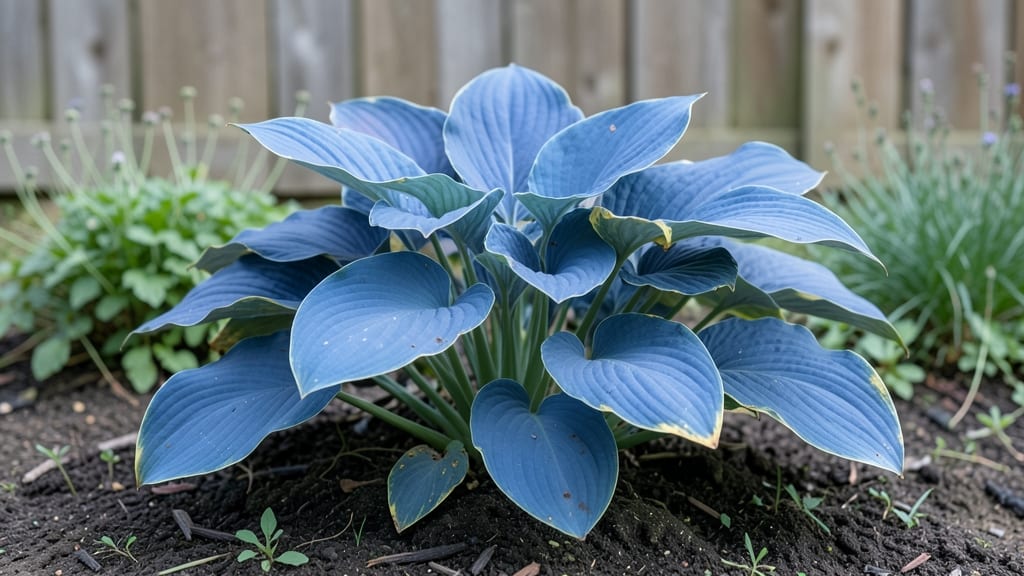
Your front garden plants should steal the show without stealing your weekends. 🌿 I’ve designed front yards that look polished all year—even when I’m too busy to deadhead—by choosing perennials that bloom early, midseason, and late, plus evergreens that add structure.
The key is mixing textures: silvery lamb’s ear next to deep purple salvia, or the feathery plumes of ornamental grasses swaying against bold hostas.
You don’t need a green thumb to pull this off. Most of these plants thrive on neglect: drought-tolerant lavender that smells like Provence, black-eyed Susans that pop like fireworks in summer, and heuchera with leaves that glow like stained glass.
A few hours of prep—amending soil, adding mulch, and grouping plants by sunlight needs—sets you up for seasons of effortless beauty. Even my neighbor’s “I’ll fix it next week” plants outshine mine.
Picture it: crisp autumn mornings with smoky purple asters and golden sedum catching the early light, or winter days when holly bushes and boxwood hedges keep the color going. The best part?
These combos work for modern minimalist looks, cottage-garden charm, or anything in between. I’ll show you how to layer plants so they never look sparse, even in the dead of winter.
Whether you’re starting fresh or refreshing what’s there, the secret is three easy layers: tall back-row plants for drama, mid-height texture, and low-growing spillers for edges. Let’s make your front yard the envy of the block without the upkeep.
📚 In This Guide
- What you need
- Instructions
- Tips and common mistakes
- Wrapping up and next steps
What you need
- ● Plants: Perennials (e.g., Hellebores, Lavender, Sedum): 5–10 plants (mix of colors/sizes)
- ● Shrubs (e.g., Boxwood, Hydrangea, Dwarf Lilac): 3–5 plants (for structure)
- ● Bulbs (e.g., Daffodils, Tulips, Allium): 20–30 bulbs (spring blooms)
- ● Annuals (e.g., Pansies, Calendula, Lobelia): 10–15 plants (seasonal pops of color)
- ● Soil Amendments: Compost or well-rotted manure: 2–3 cubic yards (for nutrient-rich soil)
- ● Organic mulch (e.g., cedar chips, pine bark): 1–2 bags (to retain moisture)
- ● Tools: Garden trowel (for planting small bulbs)
- ● Shovel or spade (for digging)
- ● Pruners (sharp, sterilized)
- ● Garden gloves (to protect your hands)
- ● Wheelbarrow (for hauling soil/mulch)
- ● Measuring tape (for spacing plants)
- ● Watering can or hose with nozzle (for gentle watering)
- ● Decorative stones or gravel: 1–2 bags (for pathways or borders)
- ● Garden stakes or labels: 10–15 (to track plant names)
- ● Slow-release fertilizer: 1–2 bags (for long-term plant health)
- ● Drip irrigation kit (for automated watering)
- ● Outdoor lighting (solar-powered for ambiance)
Instructions for designing a low-maintenance front garden with year-round appeal
Here's how to create a front garden that thrives with minimal effort while delivering vibrant color all year.
🌱 Step 1: Plan Your Planting Zones Based on Sunlight Exposure
First, map your front yard into three zones: full sun (6+ hours daily), partial shade (3-6 hours), and full shade (less than 3 hours). I use a simple chalk outline to mark these areas—this prevents overcrowding and ensures each plant gets the right conditions. Observe your yard at different times of day; shadows shift dramatically between morning and afternoon.
For full sun, prioritize drought-tolerant perennials like lavender or ornamental grasses. In partial shade, hostas and ferns thrive with morning light and afternoon relief. Full shade areas work beautifully with hellebores or astilbes. Note where utility lines or structures cast permanent shadows—these spots often need shade-loving plants to survive.
🪴 Step 2: Select Low-Maintenance Foundation Plants for Structure
Choose three to five evergreen shrubs as your garden's backbone—they provide year-round structure and reduce seasonal maintenance. Boxwoods, holly, or dwarf conifers are ideal because they handle pruning well and resist pests. Plant them 3-5 feet apart in a staggered pattern to create depth and prevent overgrowth.
Dig holes twice as wide as the root ball but only as deep. The top of the root ball should sit 1 inch above ground level to prevent waterlogging. Backfill with native soil mixed with compost (if available) to encourage root establishment. Water deeply immediately after planting to eliminate air pockets.
☀️ Step 3: Layer Perennials and Annuals for Seasonal Interest
Underneath your foundation plants, add perennials for long-term color and annuals for seasonal pops. In spring, tulips or daffodils bring early blooms, while summer pansies or geraniums fill gaps. Fall mums and ornamental kale extend the season. I like to group plants by height—tallest in back, mid-height in middle, and low growers like creeping thyme at the front.
Space perennials 12-18 inches apart to allow airflow and discourage disease. Annuals can be planted closer (6-12 inches) since they complete their life cycle in one season. Mulch with 2-3 inches of organic mulch (like shredded bark) to suppress weeds and retain moisture—just keep it 2 inches away from stems to prevent rot.
💧 Step 4: Establish a Smart Watering System
Install a drip irrigation system or soaker hoses to deliver water directly to roots, reducing waste and fungal risks. Run it for 15-20 minutes daily in the morning to allow foliage to dry before evening. Overhead sprinklers encourage leaf diseases, so avoid them unless absolutely necessary.
Check soil moisture weekly by pushing your finger 1 inch deep—if it feels dry, water again. Newly planted areas need deep watering every 2-3 days until established. Once plants are settled (after 6-8 weeks), reduce to once weekly unless experiencing extreme heat or drought.
✂️ Step 5: Implement a Seasonal Pruning Schedule
Prune dead or diseased branches anytime they appear, but wait until late winter or early spring for major shaping. I use clean, sharp shears to make cuts at a 45-degree angle just above a bud or lateral branch. Never remove more than 1/3 of the plant's foliage in one session—this stresses plants and invites pests.
In fall, cut back perennial flowers to 2-3 inches above ground to protect roots from freezing. Leave seed heads on some plants (like coneflowers) for winter interest and wildlife. Divide overcrowded perennials every 3-4 years in early spring to rejuvenate growth—dig up clumps, separate sections with roots, and replant immediately.
Tips & tricks for perfect low-maintenance front gardens
Creating a front garden that thrives year-round takes more than just planting—it's about strategic choices that save you time and effort. Here's what I've learned after designing and maintaining several low-maintenance front gardens.
Sunlight Mapping Precision: When you're marking your zones in Step 1, use a garden hose to trace shadow patterns at different times of day. Shadows can shift dramatically between morning and afternoon—what looks like full sun at noon might be partial shade in the morning. This precision prevents overcrowding and ensures each plant thrives in its designated zone. I've seen lavender wither in afternoon shade because it wasn't properly mapped, so take your time with this step.
Root Establishment Strategy: In Step 2, after planting your evergreen shrubs, create a watering well around each plant by pressing the soil down gently with your fingers to form a slight depression. This ensures water pools directly at the roots rather than running off. I've found this technique reduces watering frequency by 30% while promoting stronger root growth in the critical first 6-8 weeks.
Seasonal Layering Technique: For Step 3, consider using a color wheel when selecting your perennials and annuals. Plants with complementary colors (like purple and yellow) create visual harmony while drawing attention to each other. I like to place my brightest annuals near the front of beds where they'll get the most visibility. This creates a "wow factor" while maintaining the natural flow of the garden.
Watering System Optimization: When setting up your irrigation in Step 4, place emitters at the base of each plant rather than along the entire row. This targeted approach delivers water exactly where it's needed, reducing evaporation and fungal risks. I've seen gardens waste 40% of water when using row irrigation—this simple adjustment makes a big difference in water efficiency.
Pro Tips for Front Garden Plants
- Creating a front garden that thrives year-round takes more than just planting—it's about strategic choices that save you time and effort.
- Sunlight Mapping Precision: When you're marking your zones in Step 1, use a garden hose to trace shadow patterns at different times of day.
- Root Establishment Strategy: In Step 2, after planting your evergreen shrubs, create a watering well around each plant by pressing the soil down gently with your fingers to form a slight depression.
Frequently asked questions
Got questions about transforming your front garden into a year-round showstopper with low-maintenance plants? You’re not alone! Here are answers to the most common queries to help you get started—or troubleshoot—with confidence.
What are the easiest front garden plants for beginners?
Start with hardy, low-maintenance stars like sedum (succulents), lavender, hostas, or heuchera. These thrive in partial shade, need minimal watering, and handle pests better than fussy flowers. For sun-lovers, try black-eyed Susans or Russian sage—both bloom for months with almost no fuss!
When is the best time to plant a front garden?
For cool climates, spring (March–May) or fall (September–November) are ideal—soil is warm but air is cooler, reducing stress on plants. In warmer zones, late fall or winter works best to avoid summer heat. Pro tip: Evergreens and perennials can handle cooler temps, so plant them earlier if you’re in a rush!
How often should I water my front garden plants?
Newly planted shrubs/perennials need 1–1.5 inches of water weekly (check soil moisture—top 1–2 inches should be dry before watering). Once established (after 1–2 years), most drought-tolerant plants (like yarrow or salvia) thrive on rainfall alone. Water deeply early morning or evening to prevent evaporation and fungal issues.
What do I do if my front garden plants get pests or diseases?
First, identify the problem: Chewed leaves? Try neem oil or introduce ladybugs. Yellowing foliage? Check for overwatering or nutrient deficiency (add compost or a balanced fertilizer). For fungal spots (like powdery mildew), prune affected areas and improve airflow. Prevention is key—mulch, space plants properly, and avoid wetting leaves when watering.
Can I mix annuals and perennials in a low-maintenance front garden?
Use annuals (like petunias or marigolds) for popping color in summer, then swap them out in fall. Pair them with perennials (e.g., coneflowers or daylilies) that return yearly. Rule of thumb: Keep annuals in containers or designated beds for easy cleanup. This combo gives you seasonal variety without extra work!
Wrapping up and next steps
Transforming your front garden into a year-round colorful oasis doesn’t have to be complicated—just strategic! With the right mix of low-maintenance plants, you can enjoy vibrant blooms, lush greenery, and seasonal charm without the hassle.
Whether you’re drawn to perennials, evergreens, or bold annuals, the key is planning for layers and textures that thrive in your climate.
Ready to take the next step? Start small—pick one or two plants from this guide, sketch a simple layout, and dive in! Your front garden deserves to shine, and with a little effort, it will be the neighborhood’s envy. Happy planting! 🌸✨