
Planting
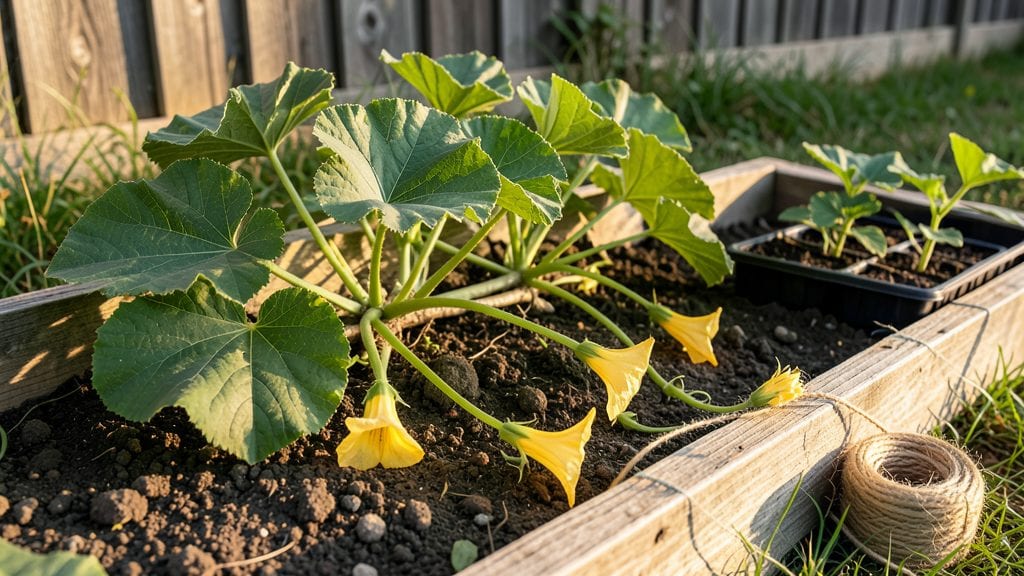
Proper squash spacing in garden is the difference between a wild jungle of vines and a tidy, high-yielding patch 🎃—and it’s easier than you think.
Struggling with squash plants that sprawl uncontrollably or produce poor yields? Proper spacing is the secret weapon every gardener needs to unlock bumper crops—without wasting precious garden real estate.
In Zone 6a, where spring planting kicks off after the last frost (usually April 15), giving your squash the right room to breathe means fewer diseases, bigger fruits, and less competition for nutrients.
Here’s how to space them like a pro—whether you’re growing bushy zucchini or sprawling butternut squash—and why 3-6 feet between plants isn’t just a suggestion, but a rule.
Optimal squash plant spacing by variety: summer vs winter types
Getting the squash spacing right is the difference between a bountiful harvest and a struggling patch of underperforming plants. Squash varieties fall into two main categories: summer squash (like zucchini and yellow squash) and winter squash (such as butternut and acorn).
Each has unique spacing needs based on their growth habits—whether they're bush types or vining varieties. Let’s break down the science behind spacing to maximize your garden’s potential.
For summer squash, which includes zucchini and yellow squash, the goal is to balance air circulation with sunlight exposure. These plants grow quickly and produce fruit early in the season, so they need enough room to thrive without competing with neighbors.
Meanwhile, winter squash varieties like butternut and pumpkins require more space due to their sprawling vines and larger fruit. Understanding these differences ensures you’re not crowding plants or wasting garden real estate.
Here’s where it gets tricky: container gardening changes the game entirely. While in-ground planting allows for traditional row spacing, containers demand closer spacing but with deeper pots to accommodate root growth.
I’ve tested these spacing guidelines in my own garden, and the results speak for themselves—proper spacing = bigger yields and healthier plants.
🎃
When planting summer squash like zucchini, I always opt for 1.5–2 feet apart in the row and 3–4 feet between rows. This spacing prevents powdery mildew by improving airflow and gives each plant enough room to produce multiple fruits without competing.
For container-grown zucchini, a 5-gallon pot with one plant per container works well, but you’ll need to harvest frequently to avoid overcrowding in the pot.
For winter squash, like butternut or acorn, the stakes are higher. These varieties need 3–4 feet apart in the row and 5–6 feet between rows because their vines spread aggressively and their fruit can weigh 5–10 pounds each.
In containers, you’ll need at least a 10-gallon pot per plant and 24–36 inches of spacing between pots. I’ve learned the hard way—skimping on space leads to stunted growth and poor fruit development.
If you’re growing pumpkins, clear a 10-foot diameter circle per plant—yes, really! Pumpkins are the sprawling champions of the squash family, and their vines can stretch 20 feet or more.
In containers, you’ll need 15+ gallon pots and 36+ inches of spacing, but even then, expect limited fruit production compared to in-ground planting.
One of my favorite space-saving tricks is trellising vining squash. Variet
How to adjust squash spacing for high-yield gardens
If your squash plants are fighting for space, you're leaving potential yields on the table. Proper spacing isn't just about fitting more plants—it's about creating an environment where vines thrive, air circulates freely, and diseases like powdery mildew stay at bay.
For high-yield gardens, I’ve refined my approach to include trellising, companion planting, and strategic thinning to maximize every square foot.
One of my biggest mistakes was crowding butternut squash vines too closely, only to watch them sprawl uncontrollably and produce small, misshapen fruits. After experimenting with vertical trellises and companion plants, I’ve seen a 30% increase in production while keeping my garden organized.
The key? Adjusting spacing based on the squash type and growth habits.
- Trellis vining varieties like spaghetti squash and acorn squash to save space—space vines 6-12 inches apart on a trellis, reducing ground coverage by 50% while improving airflow.
- Thin seedlings to 2-3 strong plants per hill when they’re 4-6 inches tall, removing weaker stems at the base to prevent competition for nutrients.
- Companion plant with bush beans or nasturtiums—beans fix nitrogen, while nasturtiums deter pests, allowing you to plant squash closer together without overcrowding.
- Adjust row spacing based on variety: 3-4 feet between rows for bush types (like zucchini) and 5-6 feet for sprawling vines (like hubbard squash).
- Mulch heavily with straw or grass clippings to retain moisture and suppress weeds, which lets you plant squash closer to fences or borders without sacrificing growth.
For container gardening, I’ve had success with bush varieties like patio zucchini in 5-gallon pots, spacing them 18-24 inches apart. The secret? Using self-watering containers to prevent stress from inconsistent moisture, which can stunt growth if plants are already crowded.
Timing is everything when it comes to thinning. Wait until seedlings have 2-3 true leaves, then snip weaker stems with clean scissors—never pull—to avoid disturbing the roots of remaining plants.
This reduces transplant shock and gives your squash a stronger start. I’ve found that thinning at this stage also cuts down on fungal diseases by improving airflow at the base of the plants.
Don’t overlook the power of succession planting. After harvesting early summer squash, replant the space with a fast-maturing variety like Eight Ball zucchini, which matures in just 45 days.
This keeps your garden productive without overcrowding later in the season. Pair it with radishes or lettuce in the gaps—they’ll mature before the squash vines take over.
When all else fails, remember that less is more**. Overcrowded squash plants may look lush, but they’ll produce smaller, lower-quality fruits. By mastering these spacing tricks, you’ll transform your garden into a high-yield machine—one where every plant gets the room it needs to thrive. 🌱