Flowers
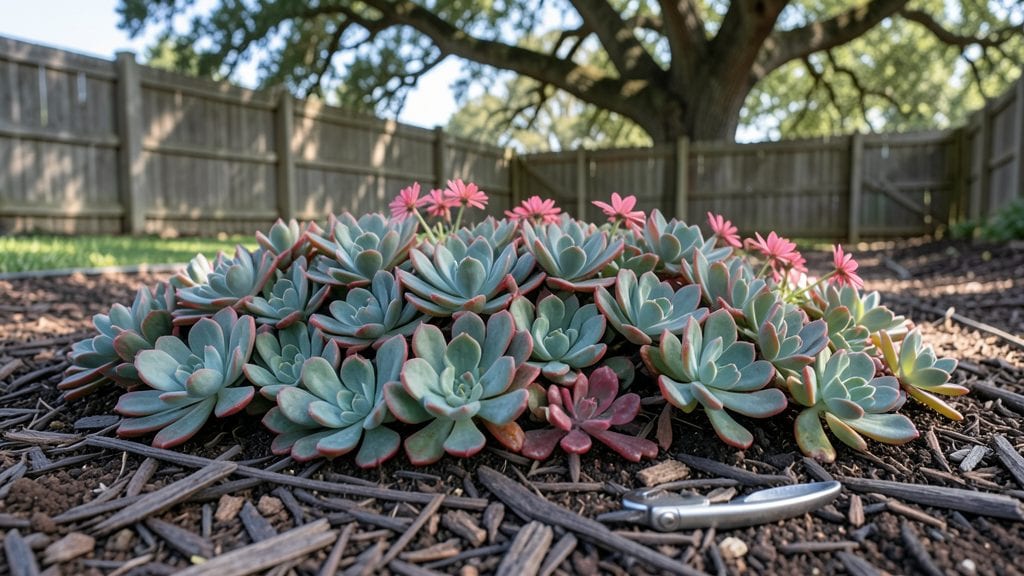
Solid ground gardens don’t just survive—they thrive, year after year, with plants that hold their shape and soil that stays put. 🌿 I built my first one after watching a favorite perennial collapse into a muddy mess during spring rains, and the difference was night-and-day: clean lines, no erosion, and plants that looked intentional instead of overwhelmed.
The secret isn’t fancy: it’s stable soil, structural plants, and smart layouts—think raised beds with gravel bases, terraces that catch water, or slopes softened with ground covers.
You’ll use fewer amendments, less water, and way less frustration. My black-eyed Susans and Russian sage now stand tall through droughts, while the creeping thyme between stones never needs mowing.
What you end up with is a garden that looks polished in every season: velvety lamb’s ear in spring, deep purple salvia in summer, and sturdy ornamental grasses that rustle through winter.
The best part? Once established, these gardens demand almost no upkeep—just a seasonal trim and the occasional mulch top-up.
Works for slopes, small yards, or even urban patios with container foundations. Here’s how to design yours so it lasts—and looks effortless—decade after decade.
Root Causes of Soil Instability
When designing solid ground gardens that thrive year-round, soil instability can quickly turn your dream garden into a muddy mess. Understanding the why behind these issues helps you take proactive steps to prevent them. Below are the most common culprits, backed by science and practical insights.
Soil instability often starts with a lack of structural balance. Healthy garden soil isn’t just dirt—it’s a complex mix of mineral particles, organic matter, water, and air. When one component is missing or overabundant, the ground becomes compacted, erodes easily, or fails to support plant roots properly.
- Clay-heavy soil: Tiny clay particles pack tightly, reducing drainage and aeration. When wet, they swell and become gummy; when dry, they crack like hardened concrete. This creates an unstable base for plants and pathways.
- Sandy soil: While fast-draining, sandy soil lacks cohesion, making it prone to erosion and poor nutrient retention. Without organic matter, it behaves more like loose sand than solid ground.
- Low organic matter: Organic material (like compost or decomposed leaves) acts as a "glue," binding soil particles together. Without it, soil loses structure and becomes vulnerable to compaction.
Actionable fix: Conduct a soil test to identify your soil type, then amend it with compost, peat moss, or coconut coir to improve texture and stability. For clay, mix in sand and gypsum; for sand, add compost and humus.
Water is both a friend and foe to garden stability. Too much or too little can wreak havoc on your soil’s structure, leading to erosion, puddling, or crusting that prevents roots from anchoring properly.
- Overwatering: Excessive moisture saturates the soil, displacing air and causing particles to separate. This leads to soil erosion and root suffocation, making the ground soft and unstable.
- Poor drainage: If water can’t escape, it pools in low spots, creating anaerobic conditions that weaken soil structure. Over time, this can lead to soggy, mushy ground that collapses under foot traffic.
- Drought stress: Prolonged dry spells cause soil to shrink and crack, disrupting the delicate balance of microbes and organic matter that hold it together.
Actionable fix:
- Install French drains or swales to redirect excess water away from problem areas.
- Use mulch (wood chips, straw) to regulate moisture and prevent crusting.
- Improve drainage with permeable pathways (gravel, decomposed granite) in high-traffic zones.
Heavy foot traffic, machinery, or even animal activity can physically compress soil, squeezing out air and water pockets that plants need to thrive. Compacted soil becomes hard as a brick, resisting root penetration and water absorption.
- High-density soil: When particles are packed too tightly, they lose porosity, making it difficult for roots to expand and for water to infiltrate.
- Reduced microbial activity: Soil microbes thrive in loose, aerated conditions. Compaction starves them, weakening the natural soil aggregates that give structure.
- Surface crusting: Repeated walking or rain can create a hard, impermeable layer on top, preventing water and air from reaching deeper layers.
Actionable fix:
- Add organic matter (compost, leaf mold) to loosen compacted soil and encourage root growth.
- Use raised beds or pathways to minimize direct foot traffic on garden soil.
- Apply gypsum or vermiculite to break up compacted clay without altering soil pH.
Plants aren’t just decorative—they’re engineers of soil stability. Their roots bind soil particles together, creating a natural biological network that prevents erosion and compaction. Without them, soil loses its structural integrity.
- Bare or newly planted soil: Freshly tilled or empty garden beds lack the root systems needed to hold soil in place, making them prone to wind and water erosion.
- Weak or shallow-rooted plants: Some plants (like annuals or grasses) have limited root depth, offering little long-term soil reinforcement.
- Seasonal die-back: When plants die back in winter or drought, their roots decompose, temporarily reducing soil stability until new growth takes hold.
Actionable fix:
- Plant deep-rooted perennials (e.g., coneflowers, black-eyed Susans, or native grasses) to anchor soil naturally.
- Use cover crops (clover, vetch) in off-seasons to protect soil and prevent erosion.
- Add mulch or ground covers (like creeping thyme or sedum) to maintain root density year-round.
Extreme weather—whether freezing temperatures, heavy rains, or scorching heat—can disrupt soil stability by altering its physical and chemical properties. These changes often happen gradually but can lead to long-term damage.
- Freeze-thaw cycles: Water in soil expands when it freezes and contracts when it thaws, creating cracks and voids that weaken structure.
- Intense rainfall: Heavy downpours can displace topsoil, washing away nutrients and organic matter that bind particles together.
- Prolonged drought: Dry conditions cause soil to shrink, increasing the risk of cracking and erosion when rain finally returns.
Actionable fix:
- Install erosion control measures (terracing, retaining walls) on slopes or in high-risk areas.
- Use hydroseeding or erosion-control blankets for newly planted slopes.
- Choose drought-tolerant plants that maintain root structure during dry spells.
Practical fixes for year-round garden challenges
Transforming your garden into a solid ground garden—one that thrives in every season—requires addressing common pitfalls with targeted solutions.
Below, we’ll map out the most frequent issues (from erosion to seasonal interest gaps) and provide practical, step-by-step fixes to keep your garden resilient, textured, and visually engaging all year long.
Cause: Poor drainage, heavy rainfall, or compacted soil weakens the foundation, leading to erosion and uneven surfaces.
How to Solve It:
- 🔥 Build a Raised Bed or Berm
- Use native plants with deep roots (like coneflowers or sedum) to anchor the soil.
- Layer compost and organic matter (5–10 inches deep) to improve structure.
- Pro Tip: 💡 Add gravel or decomposed granite beneath the soil layer for better drainage.
- 👨🍳 Install Erosion-Control Fabrics
- Lay biodegradable erosion-control blankets (like coconut coir) on slopes before planting.
- Secure with landscape staples or rocks to prevent shifting.
- ⏰ Schedule Regular Mulching
- Apply 3–4 inches of mulch (wood chips, straw, or pine needles) to retain moisture and reduce runoff.
- Refresh mulch twice a year (spring and fall) for long-term protection.
Prevention:
- Avoid heavy foot traffic on newly planted areas.
- Test soil pH annually—aim for 6.0–7.0 for most plants.
- Plant ground covers (like creeping thyme or clover) to stabilize soil naturally.
Cause: Monotonous planting or seasonal die-back leaves gardens looking dull in winter or early spring.
How to Solve It:
- 🌡️ Layer Plants by Seasonal Interest
- Winter: Evergreens (boxwood, holly), ornamental grasses, and bare-stem plants (dogwood, witch hazel).
- Spring: Bulbs (daffodils, tulips), early bloomers (heaths, hellebores), and foliage plants (heuchera, hosta).
- Summer: Heat-tolerant perennials (lavender, black-eyed Susan) and textural contrast (spiky yucca, feathery lamb’s ear).
- Fall: Foliage with warm hues (Japanese maple, sumac) and late-blooming asters.
- ✨ Add Structural Elements
- Incorporate ornamental bark (birch, river birch), seed heads (coneflower, rudbeckia), and evergreen shrubs for year-round visuals.
- Use gravitational plants (like trailing rosemary or ivy) to soften edges.
- 🎯 Plan for "Dead Space" Fillers
- Fill gaps with winter-hardy succulents (sedum, sempervivum) or bare-root plants that regrow in spring.
Prevention:
- Take seasonal photos of your garden to spot gaps before they happen.
- Rotate plants every 3–5 years to prevent overcrowding and maintain vibrancy.
- Use a color wheel to ensure harmonious transitions between seasons.
Cause: Overuse of chemicals disrupts soil microbes, while pests and diseases weaken plants.
How to Solve It:
- 🔪 Introduce Beneficial Insects and Fungi
- Plant companion plants (marigolds, basil, or garlic) to repel pests naturally.
- Install bee baths and birdhouses to encourage predators like ladybugs and lacewings.
- 🍳 Apply Organic Remedies
- Neem oil spray for fungal issues (like powdery mildew).
- Copper tape around garden beds to deter slugs.
- Compost tea as a foliar spray to boost plant immunity.
- 🌡️ Improve Airflow and Spacing
- Prune plants to reduce humidity (which fuels fungal growth).
- Space plants 12–18 inches apart to prevent overcrowding.
Prevention:
- Rotate crops annually to starve soil-borne diseases.
- Remove debris in fall to eliminate overwintering pests.
- Test soil for nutrients—lack of phosphorus or potassium weakens plant defenses.
| Issue | Fast Solution | Prevention Tip |
|---|---|---|
| Weeds taking over | Apply corn gluten meal (pre-emergent) | Lay landscape fabric before planting. |
| Dull mulch color | Mix in dyed mulch or pine straw | Refresh mulch annually with fresh chips. |
| Uneven watering | Install a drip irrigation system | Group plants with similar water needs. |
| Fading foliage | Feed with fish emulsion or kelp | Use slow-release fertilizer in spring. |
By tackling these issues proactively, your garden will not only stand firm but also delight the senses in every season. Start with one or two fixes this month, and watch your solid ground garden transform into a resilient, textured masterpiece!
Frequently asked questions
What’s the best way to stabilize soil on slopes?
Use a combination of erosion-control blankets (like coconut coir) and deep-rooted plants such as sedum or native grasses. For steeper slopes, install terraces or retaining walls with gravel-filled bases to redirect water flow. Always add 3–4 inches of mulch after planting to protect the soil.
Can I create a solid ground garden in containers?
Use large, heavy containers (at least 12–18 inches deep) with a mix of 60% potting soil, 30% perlite/sand, and 10% compost. Choose compact, drought-tolerant plants like lavender, creeping thyme, or ornamental grasses to prevent spillage. Weight containers with rocks or pavers if needed.
How do I prevent erosion in a new garden bed?
Start by amending the soil with compost and organic matter to improve structure, then plant deep-rooted perennials (like coneflowers or Russian sage) immediately. Cover bare soil with mulch or erosion-control fabric until plants establish roots. Avoid walking on new beds until they’re fully rooted.
What are the most low-maintenance plants for solid ground gardens?
Prioritize perennials with strong root systems, such as black-eyed Susans, lamb’s ear, or sedum. For ground cover, try creeping thyme or clover—both thrive in tough conditions and suppress weeds. Ornamental grasses (like feather reed grass) add texture without needing frequent care.
How often should I refresh mulch in a solid ground garden?
Top up mulch once a year in spring (or after heavy rains) to maintain a 3–4 inch layer. Over time, mulch breaks down, so replacing it annually keeps the soil protected and prevents compaction. Choose wood chips or straw for durability—they last longer than pine straw.