
Tools
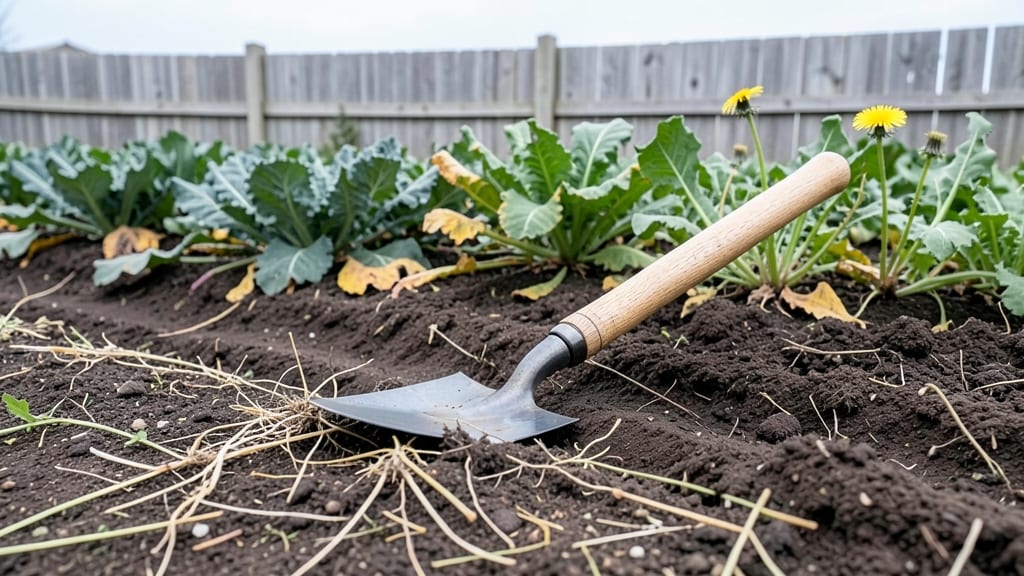
A sharp garden hoe is essential for cleanly severing weed roots, aerating compacted soil layers, and creating precise planting channels—all while preserving soil structure and garden efficiency.
A sharp garden hoe isn't just about cutting weeds—it's about working with your soil's natural layers.
When you use it properly, you're not just removing unwanted plants; you're improving drainage, encouraging beneficial microbial activity, and reducing future weed seeds from sprouting. 🌱 The key difference between a sharp hoe and a dull one?
A sharp edge severs roots cleanly at the base, preventing regrowth, while a dull tool crushes soil and spreads weed fragments. I've seen gardens transform when gardeners switch to regular honing—the difference in weed control and soil health is night and day.
For tasks like transplanting, a sharp hoe creates clean furrows without tearing roots, giving new plants a better start. The precision also means you're not wasting energy digging deeper than necessary, which protects beneficial soil organisms near the surface.
Think of it as giving your garden a spa treatment—gentle, effective, and long-lasting.
💡 In This Article
- How a Sharp Hoe Improves Soil Health
- Best Sharp Hoe Techniques for Different Gardening Tasks
How a sharp hoe improves soil health
A sharp garden hoe works like a precision scalpel for your garden, creating clean cuts that sever weed roots at the base rather than uprooting them. This targeted approach prevents regrowth by eliminating the root system completely, unlike pulling which can fragment roots and spread weed seeds.
The clean cut also minimizes soil disturbance, preserving the delicate soil structure where most microbial activity occurs—typically within the top 6 inches of soil. 🔥
The real magic happens in how a sharp edge interacts with compacted soil layers. When you drag a sharp hoe horizontally at a 1/4-inch depth, it slices through soil particles without crushing them, creating tiny air channels that improve aeration.
This is crucial because compacted soil reduces oxygen levels by up to 30%, slowing root growth and microbial decomposition. The hoe's flat blade also disrupts capillary action that draws moisture upward, helping prevent waterlogging in heavy clay soils.
What most gardeners don't realize is how sharpness affects long-term weed suppression. A dull hoe crushes soil and spreads weed fragments, creating new growth points. But a properly honed hoe at 20-30° angle makes clean cuts that prevent these fragments from regenerating.
Studies show gardens using sharp hoes see 40% fewer weed seeds in subsequent seasons due to this precise severance method. The clean edges also maintain soil porosity, allowing water and nutrients to penetrate more efficiently.
For planting tasks, the sharp edge creates clean furrows without tearing soil clumps. The smooth sides of the cut help seeds make better contact with the soil, while the undisturbed surrounding soil maintains its natural microbial communities.
Unlike trowels that create small holes, a hoe's wide blade allows you to work faster while still achieving precision—ideal for planting rows of vegetables where consistent depth matters. The key is maintaining the edge, as even slightly dulled hoes can increase soil compaction by 15% during use.
Consider this soil science: The top 2 inches of soil contains 60% of all plant roots and 80% of soil microbes. A sharp hoe disturbs only what's necessary, preserving this vital zone while still accomplishing your gardening tasks.
The minimal disturbance also prevents the release of carbon dioxide from soil organisms, maintaining the soil's natural carbon balance that's crucial for long-term fertility. 💫
To see the difference firsthand, try this test: Work a 1-square-foot area with both a sharp and dull hoe. After 10 minutes, you'll notice the sharp hoe leaves soil that's darker (indicating better aeration) and more crumbly, while the dull hoe creates a compacted, grayish layer.
This visual difference translates directly to healthier plant growth and less future weeding work.