
Vegetables
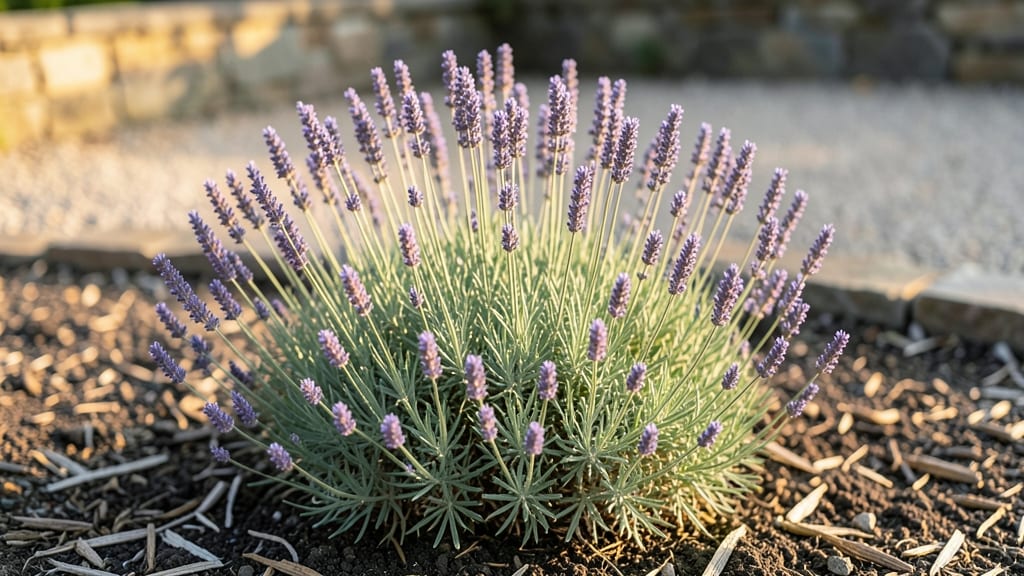
Purpose gardens thrive because they focus on intentional plant-soil relationships that create self-sustaining ecosystems. By pairing plants like nitrogen-fixing cover crops with heavy feeders or drought-resistant succulents with sandy soils, they optimize nutrient cycles, water retention, and natural pest control—resulting in healthier plants and higher yields.
These gardens work like a well-orchestrated team, where each plant contributes to the others' success.
For example, marigolds planted near tomatoes repel pests naturally, while beans growing alongside corn provide nitrogen to the soil. 🌱 The key is understanding how roots interact—some plants share nutrients through mycorrhizal networks, while others suppress weeds by crowding them out.
This approach isn't just about growing plants; it's about creating a balanced, resilient ecosystem that reduces the need for synthetic inputs and boosts biodiversity.
What makes purpose gardens particularly effective is their adaptability. Whether you're working with clay-heavy soil or sandy loam, you can tailor plant combinations to match your specific conditions.
The result? Gardens that require less maintenance, produce more food, and support local wildlife—making them both practical and sustainable for home gardeners and large-scale farmers alike.
💡 In This Article
- How Soil-Plant Synergy Boosts Garden Productivity
- Designing a High-Performance Purpose Garden Layout
How soil-plant synergy boosts garden productivity
The magic of purpose gardens happens underground, where a hidden network of relationships transforms soil into a thriving ecosystem. Mycorrhizal fungi—thread-like organisms that attach to plant roots—create a shared nutrient highway between plants.
For example, when you pair tomatoes with basil, the basil's roots release compounds that repel pests while the tomato's roots exchange sugars with fungi for phosphorus. This mutualism boosts tomato yields by up to 30% while reducing disease pressure. 🔥
Root exudates play another critical role. Plants like comfrey release high concentrations of potassium and nitrogen through their roots, which fruit trees (such as apples or cherries) absorb through the same fungal network.
Studies show comfrey can increase soil potassium levels by 200-300% in just one growing season. Meanwhile, deep-rooted plants like dandelions break up compacted soil, improving aeration for shallow-rooted crops like lettuce or carrots.
Microbial communities act as nature's pest control. Beneficial bacteria like Bacillus subtilis thrive in diverse gardens, outcompeting harmful pathogens. When you plant garlic near roses, the garlic's sulfur compounds suppress fungal diseases while attracting predatory mites that devour aphids.
This natural defense system reduces the need for chemical sprays by 70-80% in many cases. The result? Healthier plants that allocate more energy to growth instead of fighting off invaders.
Water retention becomes a game-changer with strategic pairings. Succulents like sedum planted in sandy soils reduce evaporation rates by 40% compared to bare ground, while their deep roots tap into moisture deeper underground.
Meanwhile, shallow-rooted herbs like thyme form dense ground covers that prevent erosion and maintain consistent soil moisture. This synergy means less watering and more consistent harvests, even during droughts.
Consider the basil-tomato duo: basil's leaves contain eugenol, a compound that deters whiteflies and hornworms—two major tomato pests. At the same time, tomatoes provide shade that keeps basil's leaves from scorching in hot climates. This isn't just coincidence; it's a co-evolutionary relationship that gardeners can harness.
The same principle applies to the "three sisters" method: corn provides structure, beans fix nitrogen, and squash suppresses weeds—a perfect triad that has sustained Indigenous communities for centuries.
What most gardeners overlook is how these relationships create feedback loops. Healthier soil microbes produce more enzymes that break down organic matter, releasing nutrients more efficiently. This creates a virtuous cycle where each successful pairing strengthens the entire ecosystem.
The data speaks volumes: gardens with 10+ plant species show 20-30% higher yields than monoculture plots, with 50% less pest damage and 3x the biodiversity in the soil.